

 GMA Brandtalk
 Tracking
 Archives

Sin tax collection on cigarettes reached P106-B in 2025
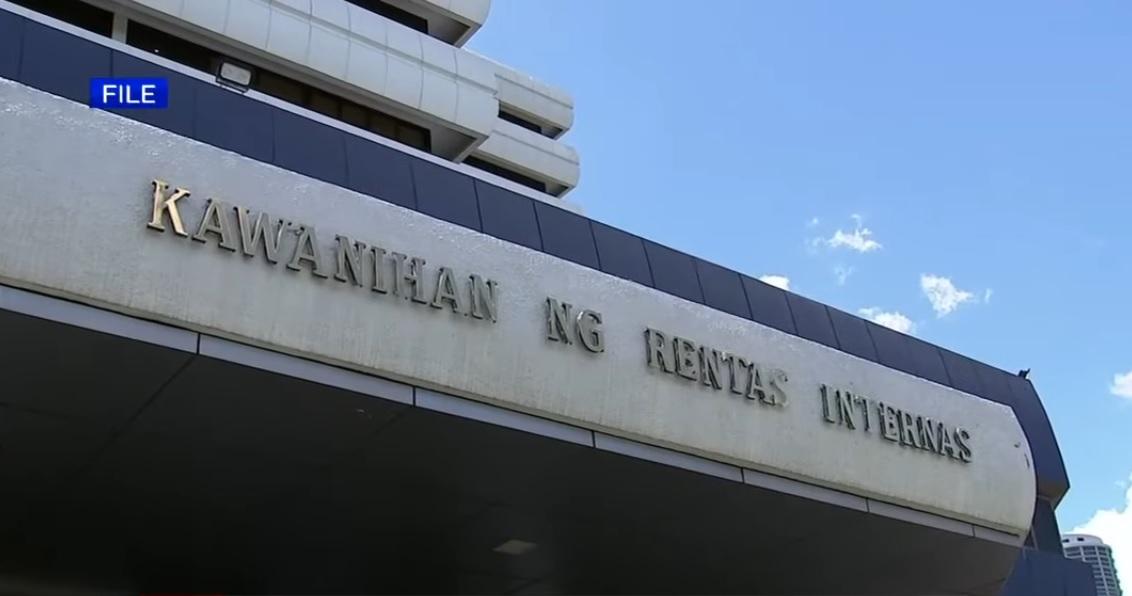
The government’s sin tax (excise tax) collection on cigarettes and vapor products, or e-cigarettes, from January to September this year has increased to P106 billion and P2 billion compared to last year's figures, according to former Bureau of Internal Revenue (BIR) Commissioner Romeo Lumagui in a recent briefing before the House ways and means panel.
“We’ve seen our comparative collections from January to September 2025 compared with the year 2024, and we've seen an increase of about more than P20 billion pesos [on our sin tax collection on cigarettes]. From P84 billion collection from excise tax on tobacco products last year, we were able to collect about P106 billion for this year,” Lumagui said at a recent briefing before the House ways and means panel.
Lumagui said such increases were a result of BIR’s “aggressive enforcement activities in connection with excisable articles.”
“We've done a lot of nationwide raids in these periods,” Lumagui said.
However, the panel's chair, Marikina Rep. Romero Quimbo, said the amount of excise tax collection on tobacco products is still far from the peak P170 billion collection in 2021.
Quimbo then quizzed Lumagui is such decline is due to the 2012 Sin Tax law imposing additional taxes on tobacco and liquor products actually working and dissuading the public from unhealthy habits, or a change in behavior with cigarette smokers shifting to vapor products or e-cigarettes which do not have a unitary tax system compared with traditional cigarettes.
“What revisions in the law are needed to make tax collection, tax administration better, particularly for sin taxes?,” Quimbo asked.
Lumagui responded by saying that lower taxes on vape products actually prompted the public to shift to e-cigarettes rather than quitting smoking altogether.
“The rates of excise tax on vapor products is much, much lower than the rates of excise tax on cigarette products. So, if we have an increase of smoking incidents but the smoking pertains to vapor products and your excise tax rates on vapor products compared with cigarettes is very much lower, then definitely the collection of excise tax would be much smaller,” Lumagui said.
Quimbo said that as a middle ground, the excise tax on vapor and tobacco products should be risk-based, but a unitary tax on vapor products should be non-negotiable.
“You cannot treat regular tobacco and vape with the same risk, but for vapor products, there are just too many classifications. What's important is that while it is risk-based, we also need to see what allows us better tax administration. Because if you have too many differing rates, that's the number one loophole, and people have a greater tendency [that] when they have a refuge, they will misclassify and the law becomes more difficult to enforce,” Quimbo said.
Lumagui agreed with Quimbo.
“The remedy is really a simplified system with respect to all of these products because if you have different trades and different categories, the chances of mere misdeclaration and it's very difficult for our enforcement activities to monitor all of these details. That [unitary tax for vapor products] would be very helpful, Mr. Chair,” Lumagui added.
Lamugui made the presentation on November 11, or a day before Malacañang announced that he was being replaced by Finance Undersecretary Charlito Mendoza. —VAL, GMA Integrated News

