

 GMA Brandtalk
 Tracking
 Archives

ADB approves $500-M loan for PH blue economy development
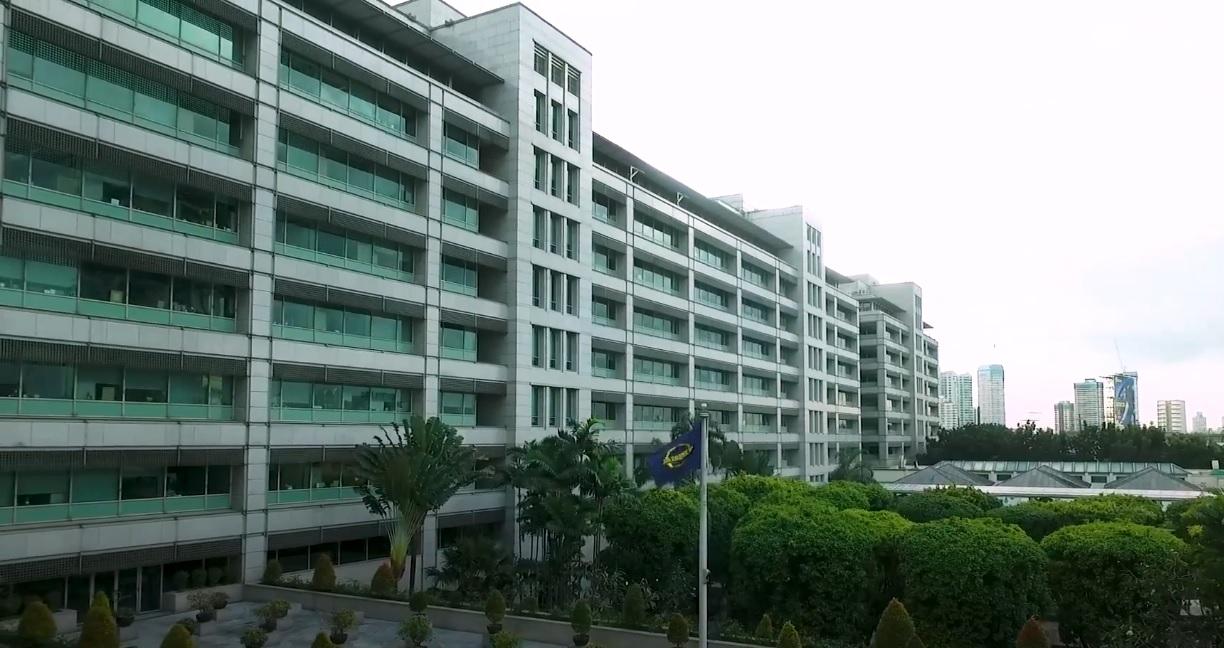
Manila-based multilateral lender Asian Development Bank (ADB) has approved a $500-million policy-based loan to support the development of the Philippines’ blue economy.
In a statement issued Thursday, the ADB said the loan will finance the Marine Ecosystems for Blue Economy Development Program (subprogram 1), which would be aimed at supporting sustainable management of the country’s marine ecosystems, help rejuvenate coastal areas, and foster vibrant, resilient, and low-carbon blue economy development.
The loan-financed program seeks to strengthen the productivity and diversity of the country’s ocean-based economy, and improve the health and adaptability of coastal areas and communities.
The lender said Agence Française de Développement and Germany’s KfW Development Bank will provide co-financing of up to €200 million or about $235 million each for the subprogram 1.
The bank said the program aims to enhance the plastic and solid waste management value chain and promote investments in the country’s natural capital.
“More than half of the Philippine population is dependent on the country’s oceans and rich marine biodiversity for food and livelihoods, with the blue economy having great potential to be central to attaining inclusive, resilient, and low-carbon development,” said ADB Philippines Country Director Andrew Jeffries.
“This is ADB’s first extensive cross-sector program focused on fostering national blue economy development in the region. We are committed to assisting our host country in achieving its climate resilience and low-carbon objectives,” said Jeffries.
In national statistical accounts, the blue economy includes fisheries, manufacturing of ocean-based products, tourism-related services, shipping, and offshore energy.
The ADB said the key blue economy sectors contributed P1.01 trillion (about $17.17 billion) to the country’s economy, equivalent to 3.8% of gross domestic product in 2024.
However, the lender said marine ecosystems are increasingly under threat from unsustainable practices, including plastic and solid waste pollution, as well as the severe effects of extreme weather changes.
The ADB noted that the world’s second-largest archipelagic nation is hit by at least 20 typhoons annually, with cyclones becoming fiercer in recent years.
The bank said the program complements the Philippines Flyway Project aimed at conserving and sustainably managing three priority wetlands—Candaba in Luzon, and Lake Mainit and Sibugay wetlands in Mindanao—to enhance biodiversity, promote sustainable livelihoods, and boost climate resilience. — RSJ, GMA Integrated News

