

 GMA Brandtalk
 Tracking
 Archives

DA pegs PH rice importation below 4M MT in 2026
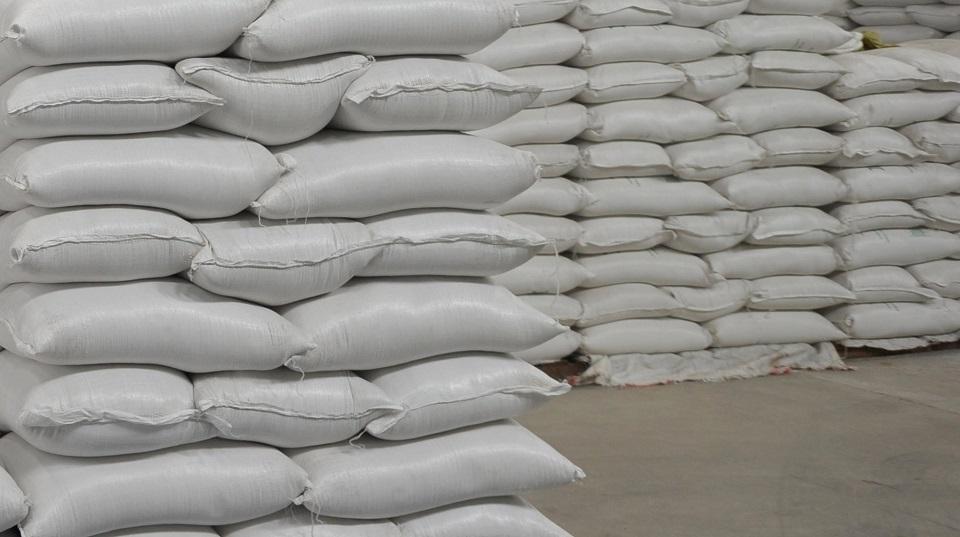
The Philippines is expected to procure rice below four million metric tons (MT) in 2026 as the country is set to resume rice importation by January, following a four-month importing ban to help stabilize falling farm-gate prices of the local grain.
In a statement on Tuesday, Agriculture Secretary Francisco Tiu Laurel Jr. said import volumes next year will likely range between 3.6 million and 3.8 million metric tons.
The projected import volume takes into consideration the DA’s forecast that palay production in 2026 year would reach around 20.3 million MT —the same target for this year but could not be achieved due to the impact of flooding and other weather-related disturbances.
The Philippines saw a record rice harvest of 20.06 million MT in 2023.
The Agriculture chief said the expected rice import volume next year would be sufficient to meet national demand without depressing farmgate prices.
Tiu Laurel held a consultative meeting with rice importers on Monday, December 15, to outline a plan in better calibrating import volumes to keep rice affordable for consumers while ensuring fair palay prices for farmers, a balance that importers support.
As importation resumes next year, the tariff rate will be hiked to 20% from the current 15%.
“The tariff increase reflects several realities—the recent depreciation of the peso and the likelihood of higher global prices once the Philippines reenters the market,” Tiu Laurel said.
To ease cash-flow pressures on importers, the DA will waive the usual 10% down payment requirement for SPIC issuance, according to the Agriculture chief.
Meanwhile, rice imports during the January to February window will be limited to 17 ports nationwide, namely Manila, Batangas, Tacloban, Bacolod, Iligan, Cagayan de Oro, Davao, Zamboanga, Cebu, Iloilo, Capiz, Tagbilaran, Dumaguete, Subic, Calbayog, General Santos, and Tabaco.
Tiu Laurel urged importers to diversify sources of rice, adding that “instead of relying almost entirely on Vietnam, we encourage importers to consider Cambodia, Myanmar, and other non-traditional suppliers.”
Rice importation has been liberalized under the Rice Tariffication Law.
In 2024, the Philippines imported a record 4.8 million MT of rice, 33% more than in 2023, as traders moved early amid concerns over weaker harvests caused by El Niño and La Niña.
The Bureau of Plant Industry estimated that the total rice imports this year could hit around 3.5 million MT, sharply lower than the 2024 record, largely due to the four-month import freeze that began in September.
Tiu Laurel said the additional 1.2 million metric tons imported in 2024, combined with heavy arrivals in early 2025 before the ban took effect, dragged down palay prices and squeezed farmers’ incomes. —AOL, GMA Integrated News

