

 GMA Brandtalk
 Tracking
 Archives

P20/kg rice to be available for below middle-income earners in 2026
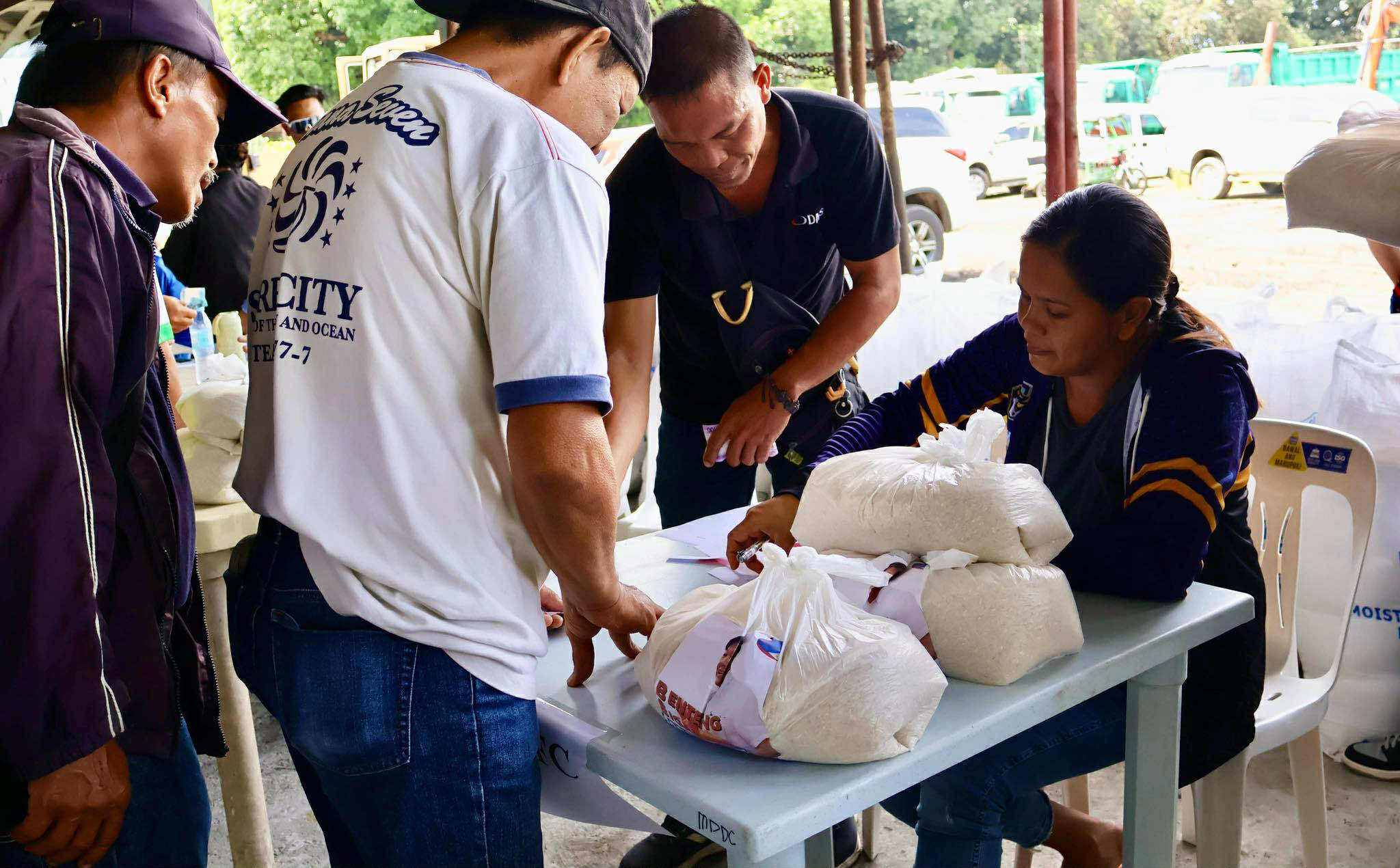
The Marcos administration’s P20-per-kilo rice initiative would be expanded to below middle-income earners or households beginning January next year, according to the National Food Authority (NFA).
In an interview on Super Radyo dzBB on Saturday, NFA Administrator Larry Lacson said that under the Department of Agriculture’s (DA) plan for the subsidized rice program for 2026, the government will continue catering to vulnerable sectors such as 4Ps beneficiaries, single parents, senior citizens, indigenous people, persons with disabilities, minimum wage earners, the public transport sector, farmers, and fisherfolk.
“Ang madaragdag dito, 'yung mga below the middle income... sila ay mabibigyan na rin,” Lacson said.
(Who will be added here would be below the middle income… they could avail it as well.)
The NFA chief said expanding the program to lower middle-income households forms part of the broader target for the P20 rice program to reach 15 million households for the rest of 2026.
Lacson said an interagency technical working group is currently working on the guidelines to determine who are the below-middle-income earners eligible for the program.
He said that the DA would look into data from the Philippine Statistics Authority as well as from the Social Security System and the Department of Education.
Lacson said that the NFA has a sufficient supply of rice to sustain the program, adding that the grains agency has 2.2 million bags of rice in its warehouses.
The rice is sourced from the stocks of the National Food Authority (NFA), which are procured directly from local farmers. The government subsidizes the program through the Food Terminal Inc. (FTI).
Under the program, the government procures rice from the NFA at P33 per kilo. These will then be sold at P20 per kilo, with the P13 per kilo subsidy to be shared by the national government and the local government units at P6.50 each.
Lacson said the 2.2 million bags of rice could cover the requirement for the program in January to February.
“By end of February, anihan na naman. Marami na naman tayong mabibiling palay,” he said.
(By the end of February, it will be harvest season again. We will be able to procure more rice.) —Ted Cordero/ VAL, GMA Integrated News

