

 GMA Brandtalk
 Tracking
 Archives

What changes in January 2026? Wage hikes, higher bills among them
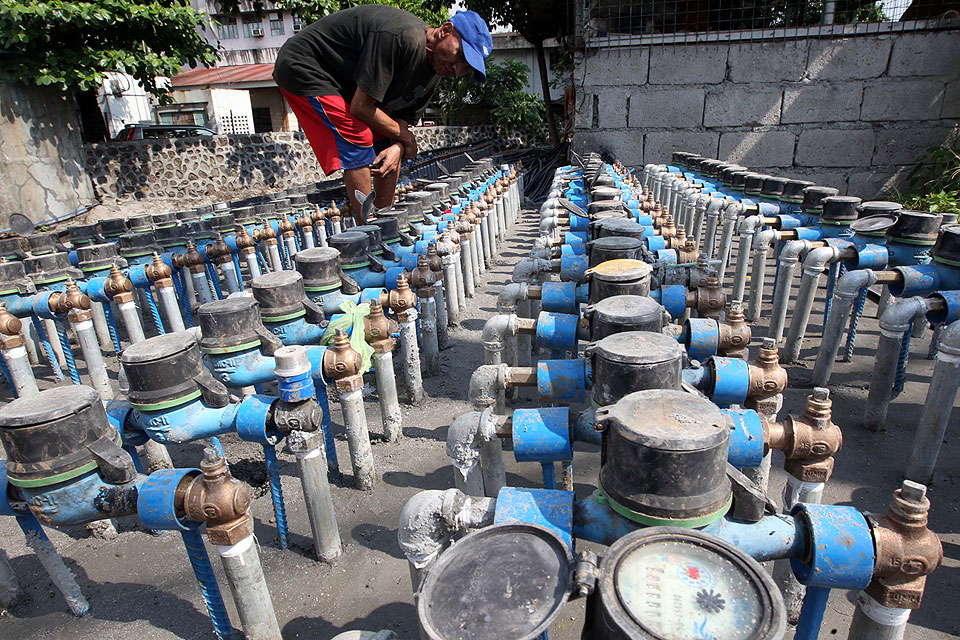
Filipino workers, both in the private sector and government, are expected to see a boost in their take-home pay starting January 2026, but families will feel the pinch elsewhere as rising utility bills could eat into household gains.
Below is a list of the expected changes that will take place in the coming year:
Wage Increases
The National Wages and Productivity Commission (NWPC) has announced minimum wage hikes in three regions that are scheduled to take effect in January 2026:
MIMAROPA (Mindoro, Marinduque, Romblon, and Palawan)
Effective January 1, employees of establishments with 10 or more workers will have their daily wages increased to P455 from P430. Employees of establishments with fewer than 10 workers will see their wages rise to P455 from P404.
Zamboanga Peninsula
Effective January 1, the daily minimum wage rates in all sectors will be increased by P50 to P451 for agricultural establishments, including retail or service establishments with less than 10 workers, and to P464 for non-agriculture establishments.
CARAGA
Effective January 3, 2026, the daily minimum wage for non-agricultural workers will be hiked to P455 from the current rate of P435, before being increased further to P475 on May 1.
The monthly minimum wage for domestic workers in chartered cities and first-class municipalities will also be increased by P500 to P6,500, with commensurate increases for other municipalities.
For the government sector, Malacañang has approved wage hikes for both civilians, and military and uniformed personnel:
Government Personnel
Effective January 1, the government employees will see another round of increases in their salaries, as part of the third tranche of the salary standardization. The Department of Budget and Management (DBM) has allocated P40 billion for the increase.
Military, Uniformed Personnel
Effective January 1, the first tranche of the MUP will increase, with the daily subsistence allowance set at P350.
Tolls
Motorists using the South Luzon Expressway (SLEX) and the Southern Tagalog Arterial Road (STAR) Tollway will be met with toll hikes starting January 1, 2026, according to the Toll Regulatory Board (TRB).
Southern Tagalog Arterial Road (STAR) Tollway
Sto. Tomas to Lipa (Section 1)
- Class 1 - P60.00 (up P5.00)
- Class 2 - P119.00 (up P9.00)
- Class 3 - P179.00 (up P14.00)
Lipa to Batangas (Section 2)
- Class 1 - P53.00 (up P4.00)
- Class 2 - P106.00 (up P8.00)
- Class 3 - P159.00 (up P159.00)
South Luzon Expressway (SLEX)
Alabang to Calamba
- Class 1 – P126.00 (up P10.00)
- Class 2 – P253.00 (up P21.00)
- Class 3 – P379.00 (up P31.00)
Calamba to Sto. Tomas
- Class 1 – P34.00 (up P3.00)
- Class 2 – P68.00 (up P5.00)
- Class 3 – P102.00 (up P8.00)
New Regulations
Rent
Starting January 1, a cap of 1% per year will be implemented in rent increases for residential units with a monthly rent of P10,000. This applies for the same tenants occupying the same unit.
Rice Imports
Executive Order 102 mandates that the import ban on regular milled and well-milled rice will remain in effect until December 31, 2025. Marcos first ordered the ban in August and initially set it to last until October 30, 2025.
Electricity
Consumers will see a new item in their bills starting January, as the Energy Regulatory Commission (ERC) approved the collection of payments for the recovery and sustainability of investments by renewable energy (RE) developers.
Water
Concessionaires are set to implement higher tariffs starting in January. Manila Water Company Inc. will increase the all-in-tariff per cubic meter by P7.18 to P67.98, while Maynilad Water Services Inc. will hike the tariff for unsewered by P1.85 to P67.61, and for sewered by P2.15 to P78.46.
Corporate Reporting
Starting January 1, the Securities and Exchange Commission (SEC) will implement the revised rules on beneficial ownership disclosure, aimed at improving transparency and accountability and preventing the misuse of corporate entities for illicit activities. –NB, GMA Integrated News

