

 GMA Brandtalk
 Tracking
 Archives

BSP seen to bring policy rates to four-year low in 2026
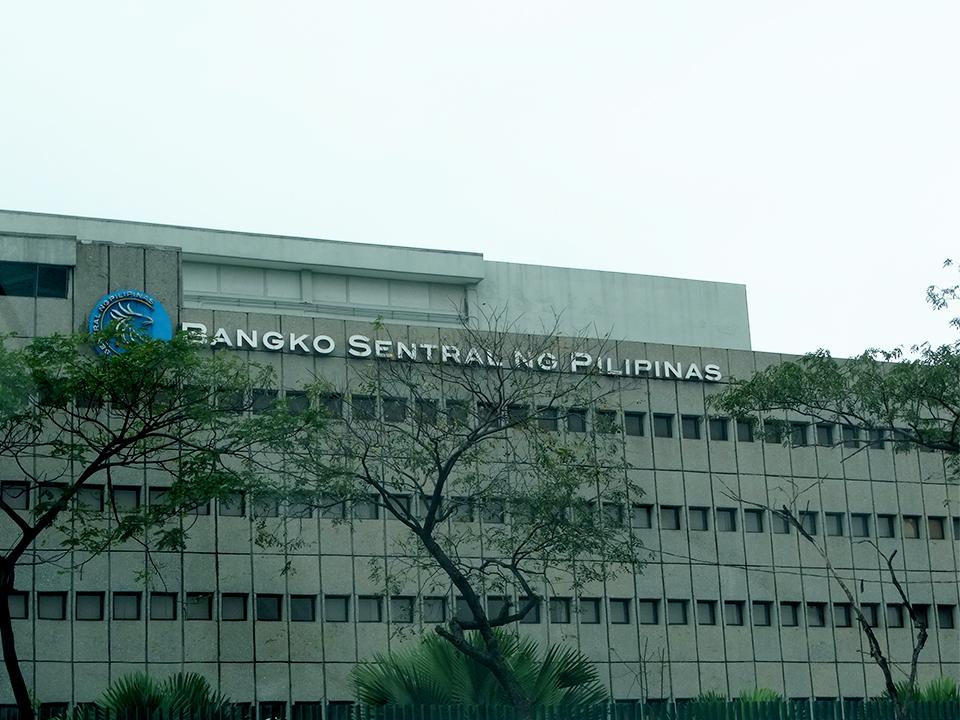
The Bangko Sentral ng Pilipinas (BSP) is expected to continue its easing cycle and deliver 50 basis points or policy rates this year to bring the benchmark rate to a four-year low by the end of the year, the Metropolitan Bank & Trust Co. (Metrobank) said Wednesday.
According to Metrobank, it expects the central bank to bring the target reverse repurchase (RRP) rate towards its terminal rate which the lender projects at 4.00% by the end of 2026, the lowest since the benchmark policy rate was set at 3.75% in August 2022.
This comes as the bank expects inflation to settle within the 2.0% to 4.0% target range this year after falling below the target range in 2025, largely due to base effects. Inflation clocked in at 1.8% in December 2025, bringing the full-year average to 1.7%.
“Within-target inflation, together with still-soft economic activity and subdued consumer and investor sentiment should provide leeway for the BSP to reduce the policy rate further to its terminal rate,” Metrobank said.
The Monetary Board in December cut policy rates by 25 basis points to bring the RRP to 4.50%, the overnight deposit rate to 4.00%, and the overnight lending rate to 5.00%, with BSP governor Eli Remolona Jr. hinting that the policy easing cycle could be nearing its end.
“As the BSP moves policy rates to neutral in 2026 and the investment environment improves, investment activity is expected to pick up. Private consumption should also improve with anticipated increases in direct cash transfers from the government in lieu of the budget initially allocated for public construction,” Metrobank said.
“However, gains will likely be capped by still elevated consumer debt levels and weak sentiment stemming from ongoing government controversies,” it added, noting that economic growth is expected to pick up overall.
Former BSP deputy governor and GlobalSource Partners analyst Diwa Guinigundo earlier said, however, that Philippine economic growth will likely continue to slow unless the government addresses corruption and governance concerns as investor confidence is being hit by the ongoing issues.
Both chambers of Congress are now looking into alleged irregularities in public works spending, after President Ferdinand “Bongbong” Marcos Jr. in August disclosed that 20% of the total P545-billion budget for flood control projects went to only 15 contractors, which he described as a “disturbing assessment.”
The administration has also established the Independent Commission for Infrastructure (ICI), in response to public calls for greater transparency and accountability in infrastructure spending. It is tasked to conduct an in-depth investigation into the alleged irregularities and misuse of funds in flood control, and other infrastructure projects.
“For the rest of this year, government spending is expected to remain subdued and consumption still subpar,” Metrobank said.
“Following a fiscal freeze and heightened fiscal prudence this year, government spending is expected to improve next year, supporting economic growth,” it added.—AOL, GMA Integrated News

