

 GMA Brandtalk
 Tracking
 Archives

DA seeks reforms to fix PH agri’s ‘broken economics’
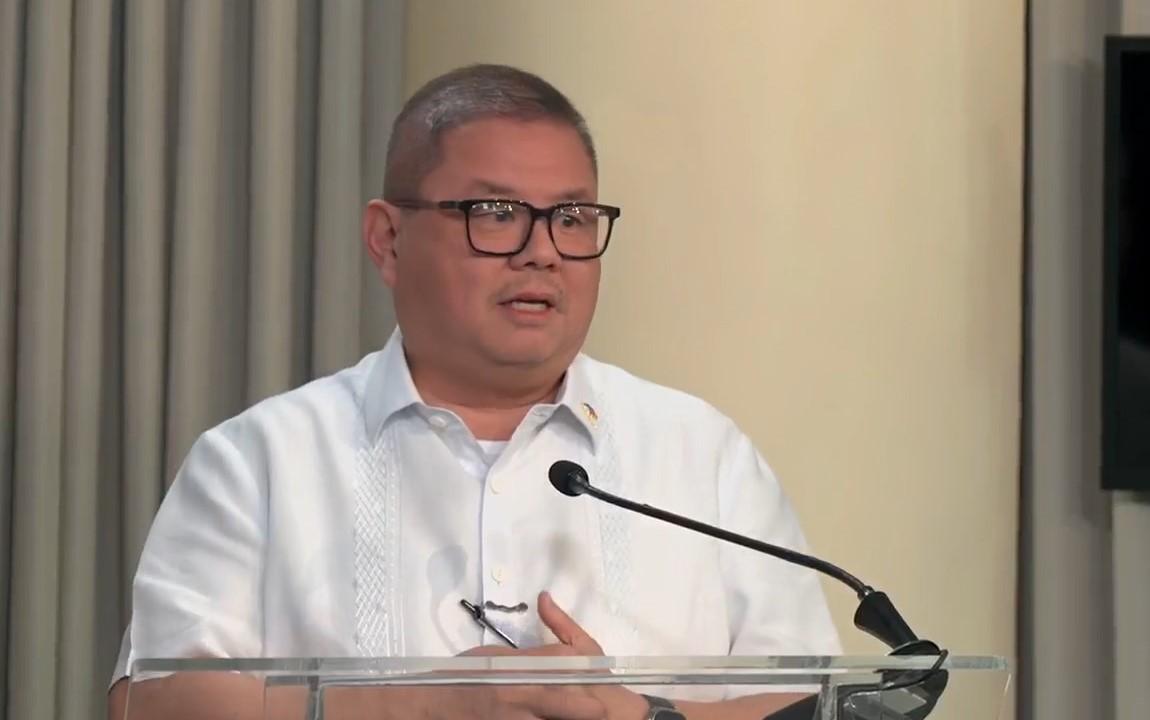
The Department of Agriculture (DA) is aiming to establish reforms that would fix long-standing problems, or “broken economics,” in the country’s agricultural sector in a bid to deliver tangible outcomes benefiting farmers and fisherfolk.
“Despite sustained public spending, outcomes on the ground remain fixed…Productivity gains have been uneven, farmer incomes remain low, and food supply shocks continue to affect consumers,” said Agriculture Secretary Francisco Tiu Laurel Jr. in a recent business forum.
The DA said that the Marcos administration's goals are to make sure farmers and fishers are paid fairly, build a food system that can withstand crises, and grow the economy by making agriculture more attractive to investors.
Tiu Laurel said that the problem does not lie in the lack of government efforts but on how resources are deployed.
“These challenge points is not a lack of effort, but the need for better targeting, stronger governance, and more coordinated execution,” he said. He added that the department is now pivoting “from fragmented and input-focused interventions to a coherent, impact-oriented, and result-driven reform agenda.”
The DA chief also suggested a more commercial mindset in farm spending: “Basically, where the returns to interventions are the highest—parang negosyo.”
Although rice is still a priority, the DA also said that it is diversifying its support to include sectors like sugar, coconut, and corn. This balanced approach aims to create multiple revenue streams for producers and protect the agricultural industry from unexpected market fluctuations.
Furthermore, the DA is pushing for transparency and accountability.
“Effective policies [are] not only about what we implement, but how transparently and accountable we do so,” said Tiu Laurel.
The department also said that it is working closely with local government units to improve support services and keep better records of farmers and fishers. Tiu Laurel boasted about the DA Command Center—the first of its kind—which will be fully functional starting next month to help manage these efforts.
To bridge the "missing middle" in the value chain, the government is pouring significant capital into logistics and post-harvest systems. Tiu Laurel said that P33 billion is allocated for roads, storage, and ports. — Vince Angelo Ferreras/BM, GMA Integrated News

