

 GMA Brandtalk
 Tracking
 Archives

PH supplies 87% of abaca globally but only gets 10% of revenues, says DA
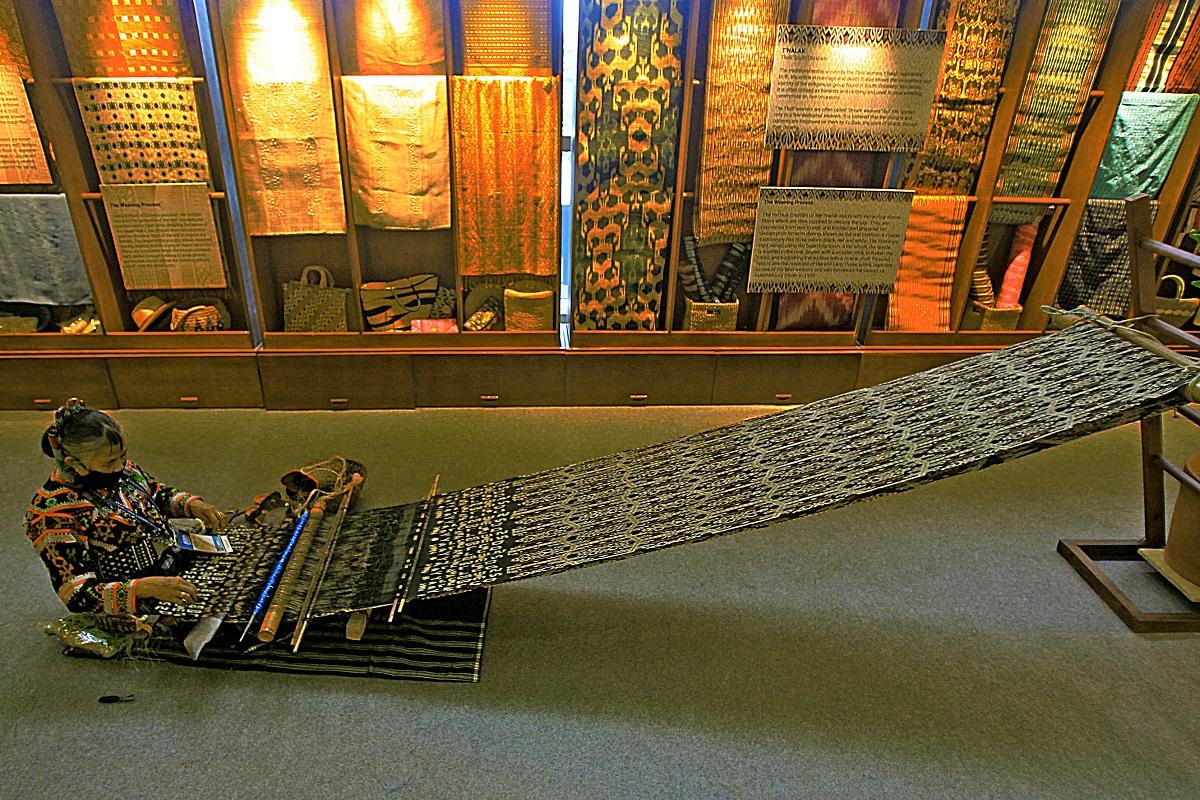
The Philippines earns only $100 million annually from exports and the manufacture of abaca fiber despite supplying 87% of the world’s requirements, according to the Department of Agriculture’s Philippine Fiber Industry Development Authority (PhilFIDA).
“Ang abaca natin, buong eastern border ng Pilipinas, meron. Pero ang na-utilize natin is only 10%,” PhilFIDA director Ali Atienza said Thursday during the 2026 National Textile Convention at the Philippine International Convention Center.
(Abaca grows along the entire eastern border of the Philippines, but only 10% of it is being utilized.)
“Right now, it is a 1 billion dollar industry, pero ang Pilipinas, who controls 87% of the raw materials, is only earning 100 million dollars o 10%,” he added.
(Right now, it is a billion-dollar industry, but the Philippines, which controls 87% of the raw materials, is earning only $100 million, or just 10% of the total.)
Atienza pointed out that even if abaca is endemic to the Philippines, utilization is not fully maximized.
“Ang nakakalungkot, yung farmer natin is only earning 10% also of the 10%,” he said.
(What’s more unfortunate is that our farmers are earning only 10% of that 10%.)
In an interview with GMA News Online, Atienza said farmers earn P28 to P100 per kilo of abaca.
“I'm opening the doors na mag-direct na. Kasi kung minsan may limang traders in between,” he said.
(I'm opening the doors between direct buyers and farmers, because sometimes there are five traders in between.)
Under PhilFIDA’s adopt-a-farmer program, buyers can directly contact abaca farmers through the agency.
This could help them earn from P2,500 to P3,000 a month to P6,000 to P7,000, and lower the cost for buyers.
According to Atienza, there are about 120,000 abaca farmers in the Philippines, but the numbers are still being validated.
Most abaca were sourced from Catanduanes and the Eastern Visayas, but he said the eastern border of the country, from Quezon Province and southward, has abaca plantations.
Aside from clothing, abaca can also be used to make plastics, plywood, and paper, innovations that could help the country’s economy, but also the environment.
“We're importing 600,000 metric tons of plastic. If we can add 20% of abakan to that, then we will be helping a lot of farmers produce about 120,000 metric tons of abakan, Atienza said during his speech.
“We can mix abaca in plywood. Kesa puno ang ginagamit, abaca ang gamitin natin. Since the whole world is talking about sustainability, being eco-friendly and biodegradable, let's use abaca,” he added.—LDF, GMA Integrated News

