

 GMA Brandtalk
 Tracking
 Archives

BSP, DICT to roll out satellite internet in markets for Paleng-QR Ph
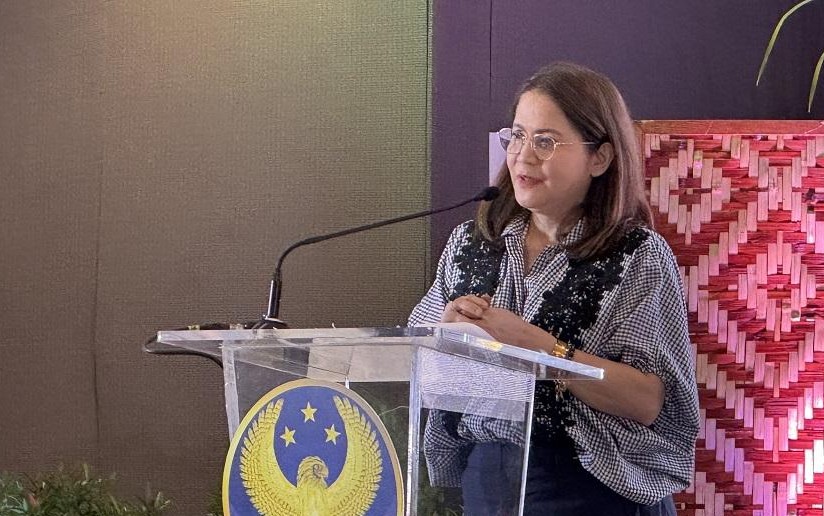
DUMAGUETE CITY — The Bangko Sentral ng Pilipinas (BSP) has partnered with the Department of Information and Communications Technology (DICT) to roll out satellite internet in markets nationwide to boost adoption of the Paleng-QR Ph program.
According to BSP Deputy Governor Bernadette Romulo-Puyat, the program was available in 922 local government units (LGUs) as of 2025, up from 408 the previous year. However, connectivity remains a major barrier to full implementation.
“We need the help of DICT kasi kahit na mag-launch kami nang mag-launch, kung wala namang connectivity, it’s kind of… kulang. ‘Yung desire nandon, pero hindi naman nila magamit ‘yung QR Ph,” she told reporters.
(We need the help of DICT because even if we keep launching, if there’s no connectivity, it’s kind of… lacking. The desire is there, but they can’t really use QR Ph.)
Under the Paleng-QR Ph program, the BSP aims to maximize digital payments—via mobile apps and other digital devices—in markets and tricycle hubs across the country.
Puyat said the DICT has requested a list of markets that need connectivity improvements, with Bohol among the pilot sites being considered.
“We’re just set to submit all kung saan namin gusto (where we want),” she said, noting that DICT Secretary Henry Aguda asked the central bank to select areas in Metro Manila, Luzon, Visayas, and Mindanao.
Currently, the QR Ph program is used mostly by the youth, while senior citizens are more hesitant.
“I notice when I ask around, mas ‘yung mga bata ang gumagamit talaga ng QR code, ‘yung senior citizens are more hesitant to use,” she said.
“There’s like an age generation that we have to maybe, I’m not sure, if we have to focus on the senior citizens on how they should use the QR code, but ginagamit naman pero nang mas bata (but it is used more widely by the youth),” she added.
Central bank data show digital payments accounted for 57.4% of total monthly retail transactions in 2024 by volume, and 59.0% by value.

