

 GMA Brandtalk
 Tracking
 Archives

Philippine debt burden hits 20-year high at 63.2% of economy
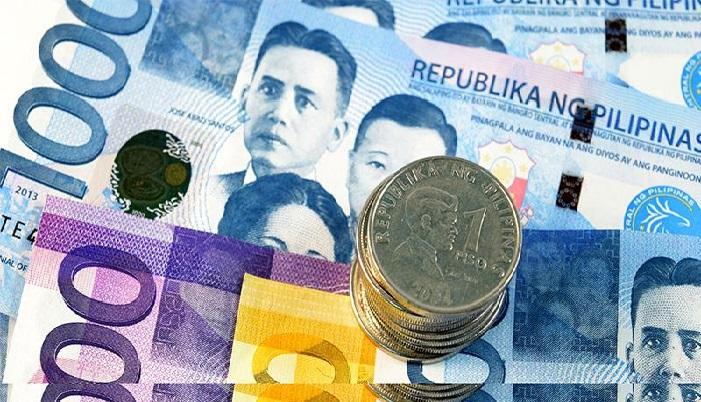
Ending the year with a fresh record-high sovereign debt coupled with a weaker economic growth, the Philippines closed 2025 with a debt burden ballooning to its highest level in 20 years, data from the Bureau of the Treasury (BTr) showed.
As of end-December last year, the country’s debt-to-gross domestic product (GDP) ratio —the amount of national government debt relative to the size of the economy— stood at 63.2% from 60.7% as of end-December 2024.
This is the highest debt-to-GDP ratio since 2005, when it hit 65.7%, and is above the internationally considered manageable threshold of 60%.
The economy as measured by GDP, or the total services of goods and services, grew by 4.4% in 2025 —its weakest footing since the 9.5% economic decline in 2020 amid the of COVID pandemic.
The Philippines' debt, meanwhile, swelled to a new record-high of P17.71 trillion as of end-2025 (against a nominal GDP of above P28 trillion), up 10.32% from P16.05 trillion, amid the government’s fundraising efforts to fund budgetary requirements dragged further by valuation effects of the peso’s depreciation against major currencies.
In an emailed commentary, Rizal Commercial Banking Corp. chief economist Michael Ricafort said reducing the debt-to-GDP ratio below the 60% threshold “would help sustain the country’s favorable credit ratings at 1-3 notches above the minimum investment grade and fundamentally help sustain the country’s fiscal management and overall debt management over the long-term and for the coming generations.”
“Tax and fiscal reform measures would be realistically needed to bring down the country’s debt-to-GDP ratio to below the 60% international threshold to help sustain the country’s relatively favorable credit ratings of 1-3 notches above the minimum investment grade as consistently maintained since the pandemic,” Ricafort said.
“Priority would be the intensified tax collections from existing tax laws and encouraging compliance with the payment of the correct taxes and to run after tax cheats. Last option would be new and higher taxes, especially if inflation stabilizes in the coming months/years,” he added.
The economist said that the continued growth in the economy or GDP, together with tax and other fiscal reform measures to help further increase structurally tax revenue and other revenue collections of the government; combined with more disciplined government spending would help further reduce/improve the debt-to-GDP ratio to below the 60% international threshold.
President Ferdinand Marcos Jr.’s economic managers are aiming to bring down the debt-to-GDP ratio to below 60% by 2028.
Prior to the COVID-19 pandemic, the Philippines’ debt-to-GDP ratio reached a record low of 39.6% in 2019. — RSJ, GMA Integrated News

