

 GMA Brandtalk
 Tracking
 Archives

Sandro Marcos seeks abolition of travel tax
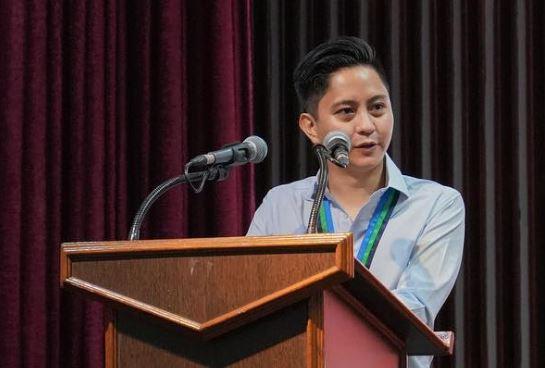
House Majority Leader Alexander Sandro Marcos has proposed the abolition of the imposition of travel tax for Filipinos travelling abroad for vacation, saying the said levy already outlived its purpose.
The son of President Ferdinand “Bongbong” Marcos Jr., made the proposal under House Bill 7443 filed last January 27 and publicly released Wednesday, February 4.
House Majority Leader/presdl son Sandro Marcos files bill to abolish travel tax. Marcos says although it generates revenues for the govt, “it also functions as a deterrent to travel.” The money could’ve been “allocated to essential household needs.” @gmanews @gmanewsbreaking pic.twitter.com/vgSPOSS3lt
— Tina PanganibanPerez (@tinapperez) February 4, 2026
Sandro’s bill aims to repeal Presidential Decree (PD) No. 1183 and related provisions of the Tourism Act of 2009 imposing travel tax which currently amounts to P1,620 for economy class travelers and P2,700 for first-class passengers.
“The travel tax was created in a very different economic context. Today, it has become an added cost that restricts mobility and weighs heavily on ordinary Filipinos who simply want to travel for work, family or opportunity. Travel is not a luxury for many Filipinos. It is part of how families stay connected and how workers sustain their livelihood,” the younger Marcos said in a statement.
“When travel becomes more expensive, fewer people move, fewer people spend and fewer opportunities circulate through the economy. Lowering the cost of travel allows Filipino families to allocate their money where it matters most,” he added.
Likewise, Sandro said such imposition of travel tax has made the Philippines an outlier in the Southeast Asia, putting it as a disadvantage.
“A tax that discourages travel also discourages growth. If our neighbors are opening doors and reducing barriers, we should not be holding on to policies that place us at a disadvantage,” he pointed out.
He clarified that the abolition of the travel tax will not reduce the budget for tourism, culture or education, which currently benefit from travel tax collections.
Instead, Sandro said these items should be funded under the General Appropriations Act for a sustainable budgeting.
“Public programs should be sustained through transparent budgeting, not through charges that disproportionately affect travelers. This approach ensures continuity of funding while removing an unnecessary burden on the public,” he said. — Llanesca T. Panti/RSJ, GMA Integrated News

