

 GMA Brandtalk
 Tracking
 Archives

Pork adobo, sinigang drive surge as PH restaurants see 4.1% inflation in January 2026
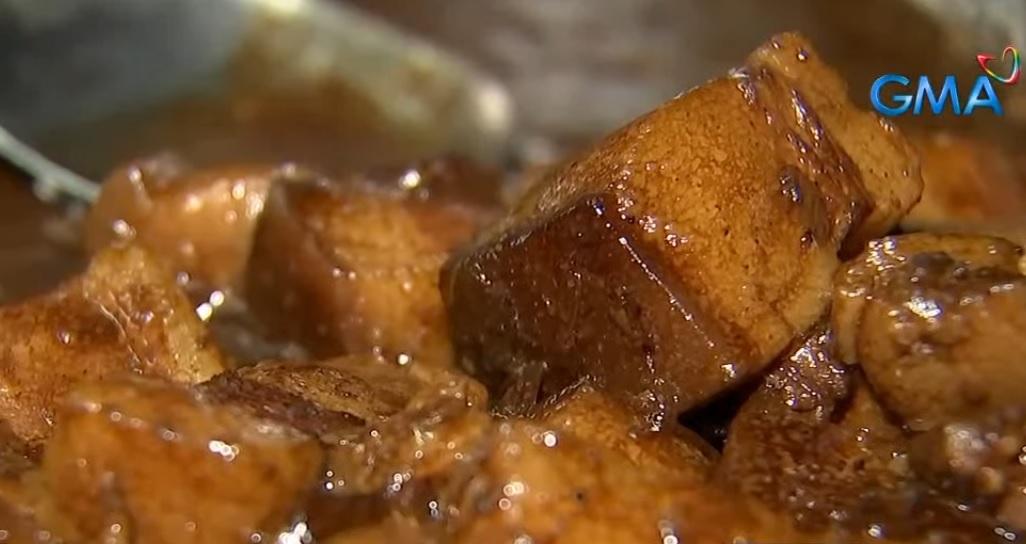
Restaurants, including cafes, eateries, and fast-food shops, saw a 4.1-percent inflation in January, up 2.6 percent in December 2025, making them one of the main drivers of acceleration, the Philippine Statistics Authority said on Thursday.
Usec. Dennis Mapa, national statistician and civil registrar general, said there was a substantial increase in the prices of cooked meals, particularly meat-based viands such as adobo and pork sinigang.
"Karamihan dito ay 'yung mga binibili na pagkain na luto na sa cafeterias, mga karinderya. may malalaking pagtaas talaga para doon sa meals na kinukunsumo," Mapa said.
"Like for example, lalo na involving meat, pork, medyo may substantial na pagtaas kaya nagkaroon tayo ng malaking increase dito sa ating restaurants and accommodation services, particularly in restaurants," he added.
"For example, 'yung lunch typical na sinigang na baboy with rice may increase sya na mga 10 percent. 'Yung adobo na pork with rice and softdrinks may increase na 14 percent," Mapa said.
(Most of this is the food purchased that is already cooked in cafeterias and carinderias. There has been a huge increase in the prices of meals that are consumed. Especially food involving meat and pork, there has been a substantial increase in our restaurants and accommodation services. For example, the typical lunch of pork sinigang with rice has increased by about 10 percent. Pork adobo with rice and soft drinks has increased by 14 percent.)
Carinderia owner Lisa Opina said she, in fact, recently increased prices of viand with pork as the main ingredient, such as adobo, sinigang, and nilaga.
"Nagbabalak na rin ako magtaas ng presyo kasi mataas na ngayon lahat ng bilihin, tubig, kuryente. Pero mga delivery ko, nagtaas ako ng konti. Nagdagdag lang ako ng five pesos, dating 70 ngayon 75 na," Opina said.
(I'm also planning to raise prices because all the groceries, water, and electricity are now high. I raised prices a little for deliveries. I just added five pesos; it used to be 70, now it's 75.)
Mapa said that while pork prices have been maintained, the costs of other inputs may have caused the increase.
"'Yung mga binibili ng mg kababayan natin na set meal, 'yung sa mga karidnerya, medyo may increases na more than 10 percent. Ang nakikita namin of course tumataas yung raw material din lalo karne ng baboy, tumataas din yung mga energy, maybe renta kasi renta sa place tumaas din," Mapa said.
"Plus maybe yung wages," he added.
(The set meals that our countrymen buy at restaurants have increased by more than 10 percent. What we are seeing is, of course, an increase in raw materials, especially pork; energy costs are also increasing, maybe rent because rent on the premises has also increased. Plus maybe wages.)
Cathy Igtanloc, another carinderia owner, said her landlord increased her monthly rental by as much as 2,500 pesos at the start of the year, aside from increases in the cost of utilities such as power and water.
However, she said she was unlikely to raise the prices of her viands.
"'Pag nagtaas kami maapektuhan rin mga customer namin. Pare-papreho kaming maapektuhan. Bawas kita na lang," Igtanloc said.
(If we raise our prices, our customers will also be affected. We will be affected equally. I'll just reduce profits.)
Mapa said behavioral change may have pushed more consumers to turn to buying food from eateries and fast-food restaurants.
He was quick to add that home-cooked meals may be a better option to save on cost.
"May mga behavior kasi yung households. Nagtatrabhao, baka hindi na sila nakakpagluto sa bahay," Mapa said.
"Better na mag luto na lang kasi mababa ang mga raw materials," he added.
(There are behaviors in households. They are working, so they may not be able to cook at home. It's better to just cook because the raw materials are cheap.) –NB, GMA Integrated News

