

 GMA Brandtalk
 Tracking
 Archives

Travel industry group backs review of travel tax
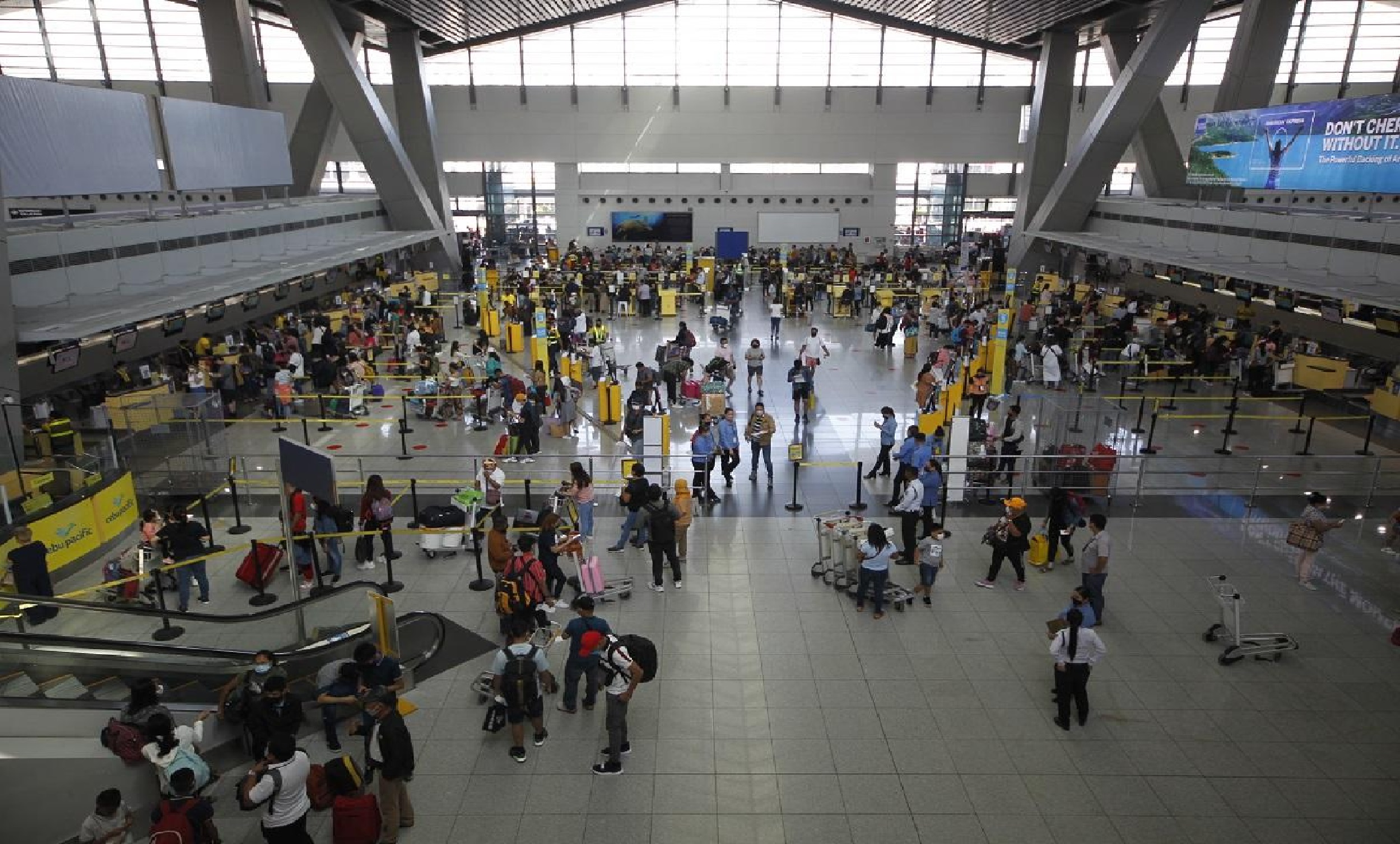
Travel industry group Global Tourism Business Association (GTBA) on Tuesday expressed support for the House tourism panel’s plan to review the utilization of travel tax collections.
“We believe it's time to review and reform our rules on travel tax to make it more effective and equitable. At the end of the day, we want to ensure that the travel tax benefits our tourism industry and local communities,” GTBA founding chairman Michelle Taylan said in a statement.
On Saturday, House tourism committee vice chairman and Palawan Representative Gil Acosta called for congressional review on the utilization of travel taxes collected from Filipinos traveling abroad.
The lawmaker said travel tax collections average P4 billion to P5 billion annually, with proceeds divided among the Tourism Infrastructure and Enterprise Zone Authority (TIEZA), the Commission on Higher Education (CHED), and the cultural sector.
The Palawan congressman said several measures are pending before the House Committee on Tourism, including House Bill (HB) 7443 filed by House Majority Leader Ferdinand Alexander "Sandro" Marcos, which calls for the immediate abolition of the travel tax.
Under HB 7443, the travel tax imposed under Presidential Decree 1183 and related provisions of the Tourism Act of 2009 would be repealed, ending the collection of charges that now reach P2,700 for first-class passengers and P1,620 for economy travelers.
GTBA’s Taylan, however, said, “Let’s not jump the gun and move to scrap travel taxes altogether.”
“I think what we need is a comprehensive review. Let the people know where the money is going. If we see that it’s being earmarked for tourism projects and the development of our tourism sites, then it’s something we would want to keep to improve the industry,” she said.
GTBA, she said, is recommending policy changes aimed at making the travel tax more responsive to current economic realities and global tourism standards, including the reduction of the travel tax amount to a more competitive range of P300 to P500 to ease the burden on
Filipino travelers while maintaining revenue potential for tourism-related programs.
The group also recommended allocating travel tax funds for high-impact tourism projects, such as site upgrades, sustainability initiatives, digital promotion, and community-based tourism development.
GTBA, moreover, proposed broader travel tax exemptions for specific groups, including overseas Filipino workers (OFWs), persons with disabilities (PWDs), and students, who often travel for work, education, or essential purposes rather than leisure.
“We want our travel tax to be competitive and reflective of the current global tourism standards,” Taylan said.
GTBA is likewise proposing a tiered travel tax system based on destination or travel class, strengthening transparency and public reporting on travel tax collection and allocation, and formally engaging tourism stakeholders in discussions on long-term reform.
“The GTBA is committed to help the government bridge this gap, and make sure tourism revenues are being used to benefit the industry,” Taylan said. —VAL, GMA Integrated News

