

 GMA Brandtalk
 Tracking
 Archives

Supermarkets group urge public to avoid panic buying
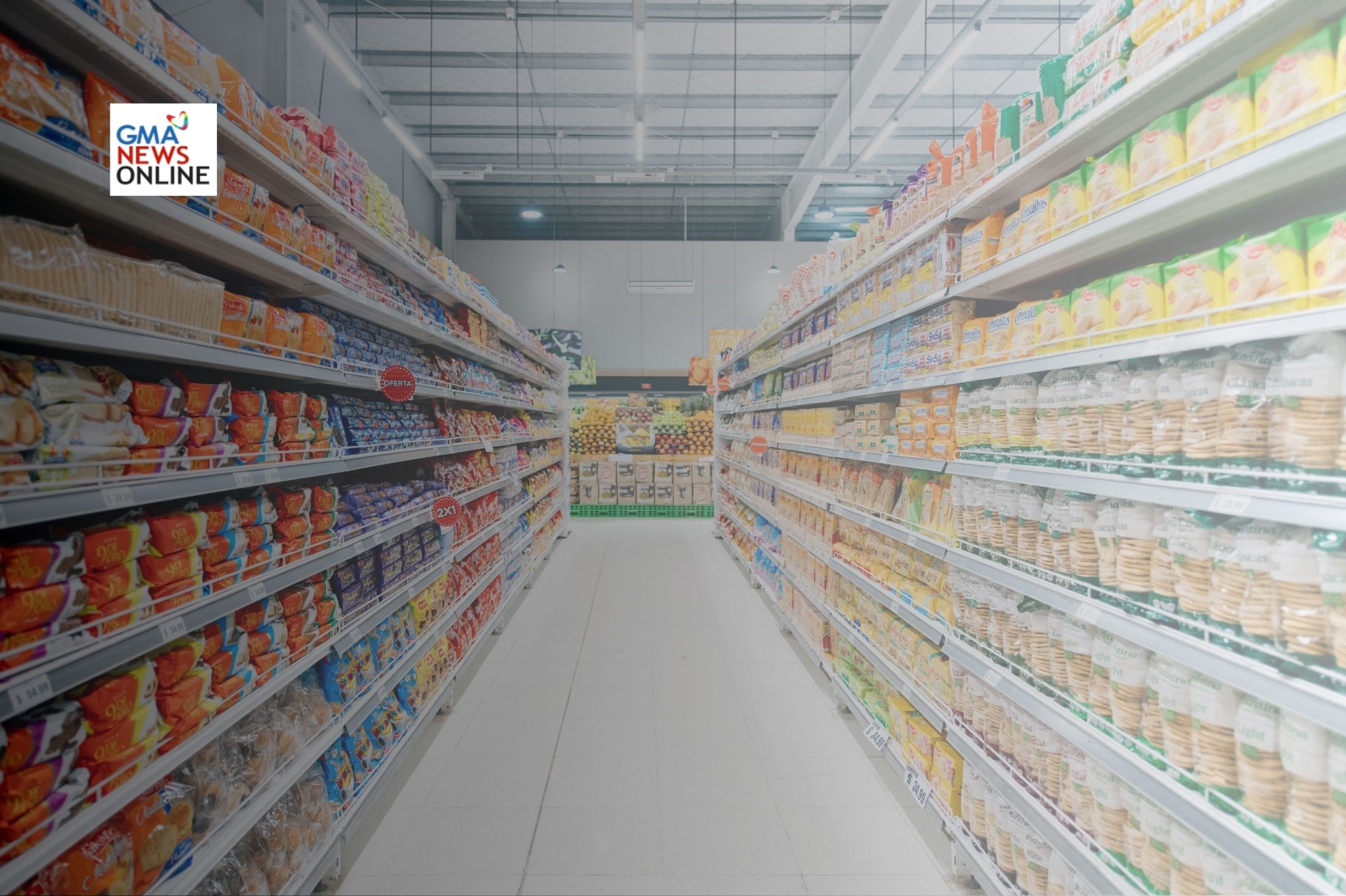
Rising global oil prices driven by tensions in the Middle East could eventually lead to higher prices of basic goods in the Philippines, the Philippine Amalgamated Supermarkets Association Inc. said Thursday.
Steven Cua, president of the supermarkets group, said the movement in oil prices usually affects the cost of nearly all products.
“Kapag gumalaw ang presyo ng krudo, in any country, I guess, and you import the way we do, talagang gagalaw ang presyo ng lahat na bilihin. Labor, electricity, fuel, kapag gumalaw yan, galaw lahat ng presyo yan, sigurado,” he told GMA Integrated News’ Unang Balita in an interview.
(When the price of crude oil moves in any country, I guess, and you import the way we do, the price of everything else will move. Labor, electricity, and fuel—when those move, all the prices will move, for sure.)
“Lahat ng produkto maapektuhan,” he added.
(All products will be affected.)
Panic buying
Cua, meanwhile, urged the public to avoid panic buying, as excessive purchasing could also drive prices up and quickly deplete supermarket stocks.
“Kaya nga huwag tayong nagmamadaling mag-panic buying. When we do that, nakatulong tayo sa pagtaas ng presyo. Relax lang tayo,” Cua said.
(So let's not rush into panic buying. When we do that, we help raise the price. Let's just relax.)
“If you want to buy, maybe buy 15% more than what you normally do. You want to be on the safe side pero don't buy more. Twenty percent or up to 50%, don't buy it up to that kasi hindi naman kailangan. Kaya para we give time for the production people to come up with more stocks,” he added.
(Maybe buy 15% more than what you normally do. You want to be on the safe side, but don't buy more. Twenty percent or up to 50%—don't buy up to that because it's not necessary. So we give time for the production people to come up with more stocks.)
Impact
Despite the concerns, Cua noted that there has been no official notice yet from manufacturers about price increases.
He said consumers may not feel the immediate impact yet as retailers and suppliers still have existing stocks purchased before the recent tensions in the Middle East.
According to Cua, the Philippines currently has around 50 days’ worth of fuel supply.
Cua also warned that rushing to buy fuel or stockpile goods could also affect supply chains as new shipments of fuel and other products take time to arrive.
According to Cua, some provinces may experience supply disruptions sooner than Metro Manila because delivery trucks are being affected by fuel limitations and shorter operating hours of some gas stations.
“Itong problema sa probinsya, delivery, distribution. Kasi nga, yun na nga, yung gasolina, linilimit ng ibang gas stations. So yung mga trucks, di maka-deliver yung mga trucks. Yung iba naman, oras, nagsasarang maaga,” he said.
(This is the problem in the province, delivery, distribution. Because the gasoline is limited by other gas stations so the trucks can't deliver. The others are closing early.)
“So because of that, disrupted ang distribution kaya siguro yung ibang probinsya, medyo mas maagang mawawalan ng certain stocks,” he added.
(So because of that, the distribution is disrupted, so maybe in the other provinces, certain stocks will run out a little earlier.)
According to Cua, he received reports that some retailers have started limiting the number of items on display in their stores to prevent hoarding.
Cua’s supermarkets group is set to meet with the Department of Trade and Industry’s (DTI) National Price Coordinating Council to discuss the situation and possible measures to maintain stable supply and prices. —Joviland Rita/ VAL, GMA Integrated News

