

 GMA Brandtalk
 Tracking
 Archives

Philippine Coconut Authority opposes proposed suspension of biofuel blending
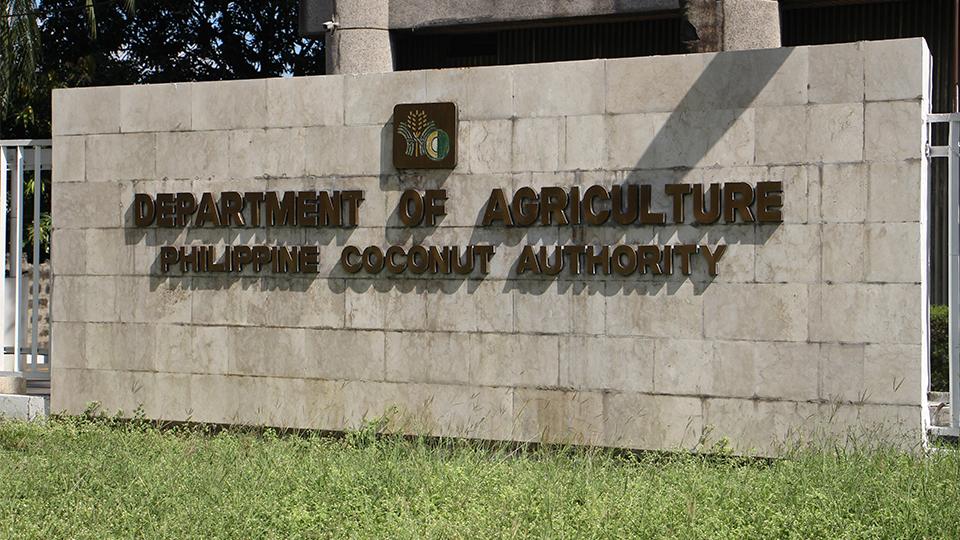
The Philippine Coconut Authority (PCA) is not in favor of suspending the mandatory coconut-derived biofuel blending amid the rising fuel prices due to the Middle East conflict.
“The PCA maintains that it is not amenable to the full suspension of the biodiesel blend mandate,” the coconut industry regulator said in a statement.
The agency issued the statement in response to inquiries on whether it will recommend the suspension or adjustment of the biodiesel blending requirement in light of rising global fuel prices associated with ongoing geopolitical tensions in the Middle East.
President Ferdinand Marcos Jr. has certified as urgent a measure seeking to amend the Biofuels Act of 2006, allowing the chief executive to suspend mandatory biofuel blending if the blended fuel prices are 5% higher than pure fuel to ease shocks amid volatile pump prices due to the Middle East conflict.
“The biodiesel program continues to serve as the primary domestic driver of coconut oil (CNO) demand,” the PCA.
“In the domestic supply chain, coconut farmers sell copra to oil millers, who in turn supply coconut oil (CNO) to coconut methyl ester (CME) producers, some of whom are vertically integrated across these stages. Under current market practices, no specific pricing incentives are provided for copra utilized in biodiesel production, and the direct income impact on coconut farmers remains limited,” it added.
The coconut industry regulator emphasized that “any suspension or displacement of coconut methyl ester (CME) in favor of imported palm methyl ester (PME) would likely redirect domestic supply to lower-priced export markets, thereby exerting downward pressure on local copra and CNO prices.”
“Such a scenario could have significant adverse implications for the livelihoods of coconut farmers, who remain the most vulnerable stakeholders in the value chain,” the PCA said.
The agency said it supports maintaining the current biodiesel blend at 3%, “or, if warranted, reverting to the previous 2% level” as “a calibrated and prudent response under prevailing market conditions.”
The PCA further said that it is committed to policies that ensure market stability, protect farmer welfare, sustain domestic industry capacity, and promote environmentally sound energy solutions.” —VBL, GMA Integrated News

