

 GMA Brandtalk
 Tracking
 Archives

Crude Reality: How Middle East tensions drove up fuel prices in PH gas stations
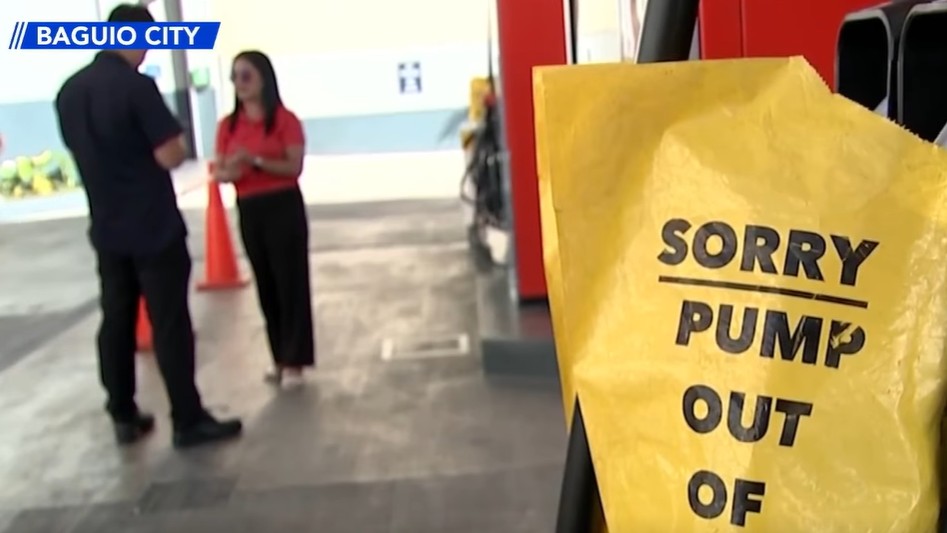
Motorists have been forced to tighten their belts since the second week of March, as fuel companies implemented double-digit price hikes on petroleum products following rising tensions in the Middle East a week earlier.
The surge has sparked concern among motorists and even among gasoline retailers, some of which have reported limited diesel supply. Several stations have adjusted work shifts, while others are considering shutting down if the situation does not improve.
Public utility vehicle (PUV) drivers have been among the hardest hit. The steep increase in pump prices has forced some jeepney drivers to skip meals just to make ends meet.
For now, motorists have little choice but to brace for further increases in the coming weeks.
So how did tensions in the Middle East drive up pump prices in the Philippines?
Nuclear and airstrikes
February 28: The United States and Israel conducted airstrikes against Iran, including targets in its capital, Tehran.
US President Donald Trump described the attacks as “major combat operations” aimed at destroying Iran’s missile capabilities and weakening its naval forces.
Iran retaliated by launching missiles at Israel and US military bases in Bahrain, Kuwait, Qatar, and the United Arab Emirates.
The US and Israel have long argued that Iran’s nuclear enrichment and missile programs pose a threat to their security—an allegation Tehran has repeatedly denied, insisting it has no plans to develop nuclear weapons.
Disruption in global oil supply
March 1: Shipping companies, major oil producers, and global energy traders halted the transport of crude oil, petroleum products, and liquefied natural gas through the Strait of Hormuz—a critical global shipping corridor between Iran and Oman.
Iranian forces began enforcing a blockade of the strait, according to European Union naval officials who monitored radio warnings sent to multiple tankers.
The Strait of Hormuz is considered the world’s most vital oil export route, with around 20% of global oil and liquefied natural gas passing through it.
Price surge
March 9: Dubai crude oil prices breached the $100-per-barrel mark.
March 10: Fuel companies implemented another round of major price hikes, marking the ninth straight week of increases for gasoline and the 11th for both diesel and kerosene amid the ongoing Middle East conflict.
According to the Department of Energy (DOE), pump prices rose by:
- Gasoline: ₱7.00 to ₱13.00 per liter
- Diesel: ₱17.50 to ₱24.25 per liter
- Kerosene: ₱32.00 to ₱38.50 per liter
Oil shock
The DOE said the Philippines imports about 98% of its crude oil requirements, largely from the Middle East—making it highly vulnerable to global supply disruptions.
The spike in oil prices has driven up the cost of key food commodities such as galunggong (mackerel), pork, and vegetables, with rice prices also expected to be affected, according to the Department of Agriculture (DA).
Despite this, the DA assured that the country’s food supply would remain stable until June.
Transport costs have also risen. Shipping companies have increased sea travel fares, while the Civil Aeronautics Board (CAB) has raised fuel surcharges for domestic and international flights.
On March 19, the Philippine peso weakened to the ₱60:$1 level as global oil prices surged amid escalating tensions.
In response, President Ferdinand Marcos Jr. ordered a four-day workweek in selected executive offices to conserve energy. Some government offices, including the judiciary adopted similar measures.
Malacañang also issued Memorandum Circular 114, mandating stricter energy conservation measures across government agencies.
Government response
The government has rolled out several measures to cushion the impact of rising oil prices.
The Department of Finance said the Philippine National Oil Company–Exploration Corp. (PNOC-EC) is seeking to secure at least two million barrels of oil to boost the country’s buffer supply.
Energy Secretary Sharon Garin, meanwhile, assured the public that the country has sufficient fuel reserves, with current stocks and incoming shipments expected to last up to 50 days.
President Marcos also certified as urgent a bill granting him emergency powers to suspend or reduce excise taxes on fuel.
The House of Representatives subsequently approved House Bill 8418 on final reading, allowing such powers for up to six months, provided that the average Dubai crude oil price exceeds $80 per barrel for at least one month.
Subsidies have also been rolled out to affected sectors.
The government has provided fuel assistance to PUV drivers and farmers, including a ₱5,000 cash subsidy for tricycle drivers in Metro Manila, with nearly 100,000 beneficiaries already served. A nationwide rollout for other transport groups is set to begin on April 6.
The DA is also set to distribute ₱5,000 fuel subsidies to 9,570 farmers using mechanized equipment, while additional aid will be extended to around 15,000 fisherfolk nationwide.
Meanwhile, the Land Transportation Franchising and Regulatory Board approved a ₱1 fare increase for traditional jeepneys, set to take effect on March 19.
However, President Marcos ordered its suspension, citing the need to protect commuters from further financial strain.—MCG, GMA Integrated News

