

 GMA Brandtalk
 Tracking
 Archives

PH energy transition at risk without stronger laws, financing push —experts
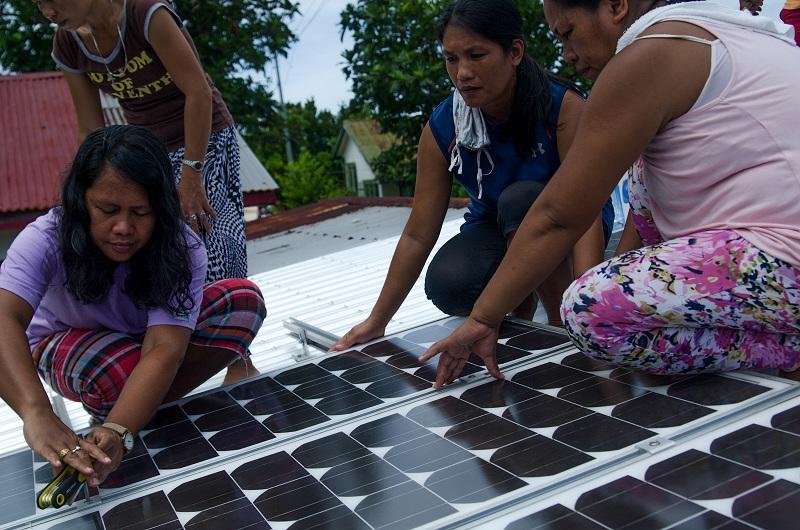
The Philippines’ push toward renewable energy could stall without stronger legal frameworks, improved grid infrastructure, and increased financing, experts and policymakers warned during a multi-sector dialogue in Manila.
At a forum convened by ClientEarth on Wednesday, regulators and industry leaders said laws and policies must shift from being potential barriers to becoming active drivers of the country’s energy transition.
The discussion comes as the Philippines ramps up efforts to reduce reliance on fossil fuels, with renewable energy now accounting for about 25% of the energy mix—approaching the government’s targets of 35% by 2030 and 50% by 2040.
Barriers slowing transition
Despite progress, key challenges continue to hinder the shift to clean energy, including weak grid infrastructure, land acquisition issues, and permitting delays.
During the panel, officials from the Department of Energy and Energy Regulatory Commission joined private sector and legal experts in stressing the urgency of reform.
They said regulatory frameworks should not restrict development but instead:
- incentivize renewable energy investments
- accelerate grid expansion
- build investor confidence
- protect consumers from rising energy costs
The urgency is underscored by increasing fuel prices and ongoing supply pressures globally.
Financing seen as key lever
Another major concern raised during the dialogue was the need to mobilize capital toward clean energy projects.
Officials from the Bangko Sentral ng Pilipinas and Philippine Stock Exchange highlighted the role of financial systems in accelerating the transition.
Bangko Sentral ng Pilipinas Assistant Governor Pia Bernadette Roman-Tayag said shifting investments toward sustainable projects requires coordinated efforts.
“The shift in portfolio composition will not come from a single lever… but from clear frameworks, credible market references, and consistent expectations,” she said.
She added that the BSP is integrating climate risk into supervision and developing tools to support transition financing.
Capital markets to support clean energy
Meanwhile, Roel Refran of the Philippine Stock Exchange underscored the importance of capital markets in funding energy projects.
“The capital markets play an important role in relieving financial pressures from energy project developers… promoting investments toward clean energy will be key,” he said.
He added that stronger sustainability reporting standards and investments in nature-based solutions will help attract long-term funding.
Speakers emphasized that accelerating the country’s energy transition will require closer coordination between government, private sector, and financial institutions.
ClientEarth CEO Laura Clarke said legal mechanisms are crucial in turning climate ambitions into actual implementation.
“As Southeast Asia scales renewable energy, legal frameworks have a critical role in ensuring system reliability and consumer protection,” she said.
Department of Energy Undersecretary Rowena Guevara then stressed that laws must evolve alongside the energy transition.
“The law has to be stable but it cannot stand still,” she said, noting that effective regulations are key to unlocking renewable energy potential and directing investments toward climate goals. — BM, GMA Integrated News

