

 GMA Brandtalk
 Tracking
 Archives

Petron purchases 2.48M barrels of Russian crude oil
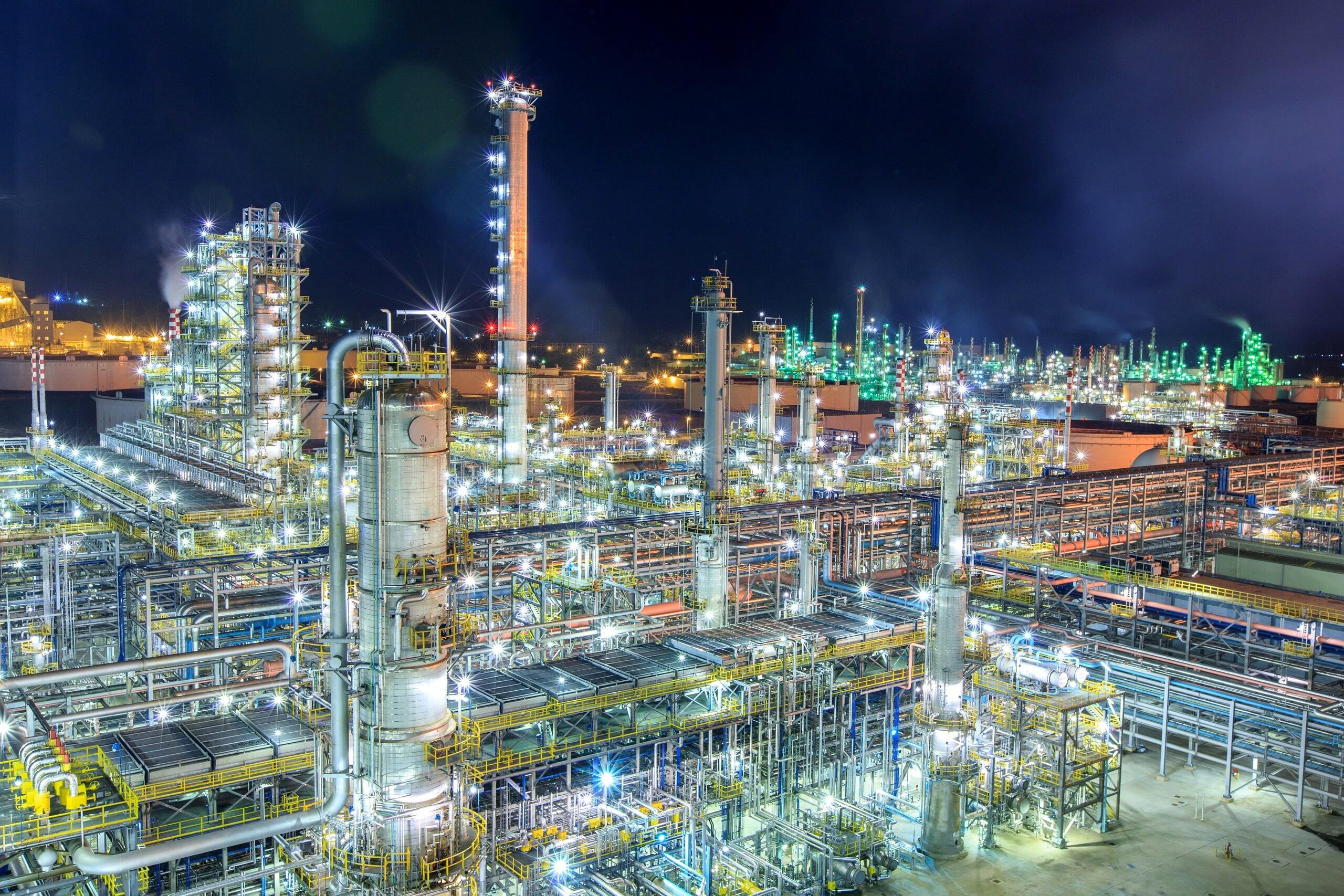
Petron Corp. on Monday confirmed the procurement of 2.48 million barrels of crude oil from Russia to augment its inventory until June, as the country’s supply reaches what it described as a “precarious” level amid the ongoing conflict in the Middle East.
The listed fuel retailer, which holds a 30% share of the Philippine market and operates the country’s only oil refinery, said it closely coordinated with the Departments of Energy (DOE) and Finance (DOF) on the purchase after both agencies called on local companies to secure alternative sources of crude and finished products.
“The corporation wishes to emphasize that the procurement of Russian crude oil is not part of its business-as-usual sourcing strategy,” Petron said in a regulatory filing.
“The purchases were undertaken strictly out of extreme necessity, as an extraordinary emergency measure in response to unprecedented geopolitical and supply chain disruptions, and only after exhausting all commercially and operationally viable alternatives,” it added.
Petron said it also received confirmation from the Bangko Sentral ng Pilipinas (BSP) that there is no prohibition under Philippine law on sourcing foreign currency for import and trade transactions, clearing the way for the importation of Russian crude oil.
The corporation said that if the current crisis persists and alternative crude sources remain unavailable or insufficient, it may again be compelled to consider purchasing Russian crude oil to augment the national fuel supply.
It added that this would help directly mitigate the adverse consequences arising from the absence of a stable and reliable source of crude.
“Any initiative taken by the corporation shall be made in close coordination with the Philippine government and guided by the overriding objective of ensuring energy security for the country,” it added.
The Sierra Leone-flagged Sara Sky, carrying over 700,000 barrels of high-quality crude from Russia’s ESPO pipeline, arrived in the Philippines last Monday, with documents showing Petron Corp. as consignee, according to Agence France-Presse.
The following day, President Ferdinand “Bongbong” Marcos Jr. declared a state of national energy emergency and ordered the adoption of a Unified Package for Livelihoods, Industry, Food, and Transport (UPLIFT) to ensure supply stability and support key sectors such as transport, agriculture, and micro, small, and medium enterprises (MSMEs).
Malacañang, quoting the position taken by Energy Secretary Sharon Garin, has maintained that there is no oil supply crisis but rather a “price disruption” stemming from developments in the Middle East.
Local pump prices have risen for 11 straight weeks for gasoline, and for 13 consecutive weeks for both diesel and kerosene, amid the ongoing regional conflict.
“A refinery shutdown due to failure to secure crude would lead to serious nationwide fuel shortages, sharp price spikes, panic buying, disruption to transportation and logistics, and broader economic dislocation—outcomes that would have serious consequences for households, businesses, and critical public services in a country highly dependent on imported fuel,” Petron said.
Iran, which has closed the Strait of Hormuz, said over the weekend it was ready to respond should the United States deploy ground forces, after accusing Washington of planning such a move while pursuing negotiations to end the conflict.
US President Donald Trump, for his part, told the Financial Times he wants to “take the oil in Iran” and hinted at the possibility of seizing the export hub of Kharg Island, Reuters reported.
Earlier, Trump said the United States was making progress in efforts to negotiate an end to the war with Iran, including securing what he described as an important concession from Tehran.
A Financial Times report also indicated that Iran has informed member states of the International Maritime Organization that “non-hostile vessels” may pass through the Strait of Hormuz if they coordinate with Iranian authorities.—MCG, GMA Integrated News

