

 GMA Brandtalk
 Tracking
 Archives

March inflation seen hitting fastest in over a year
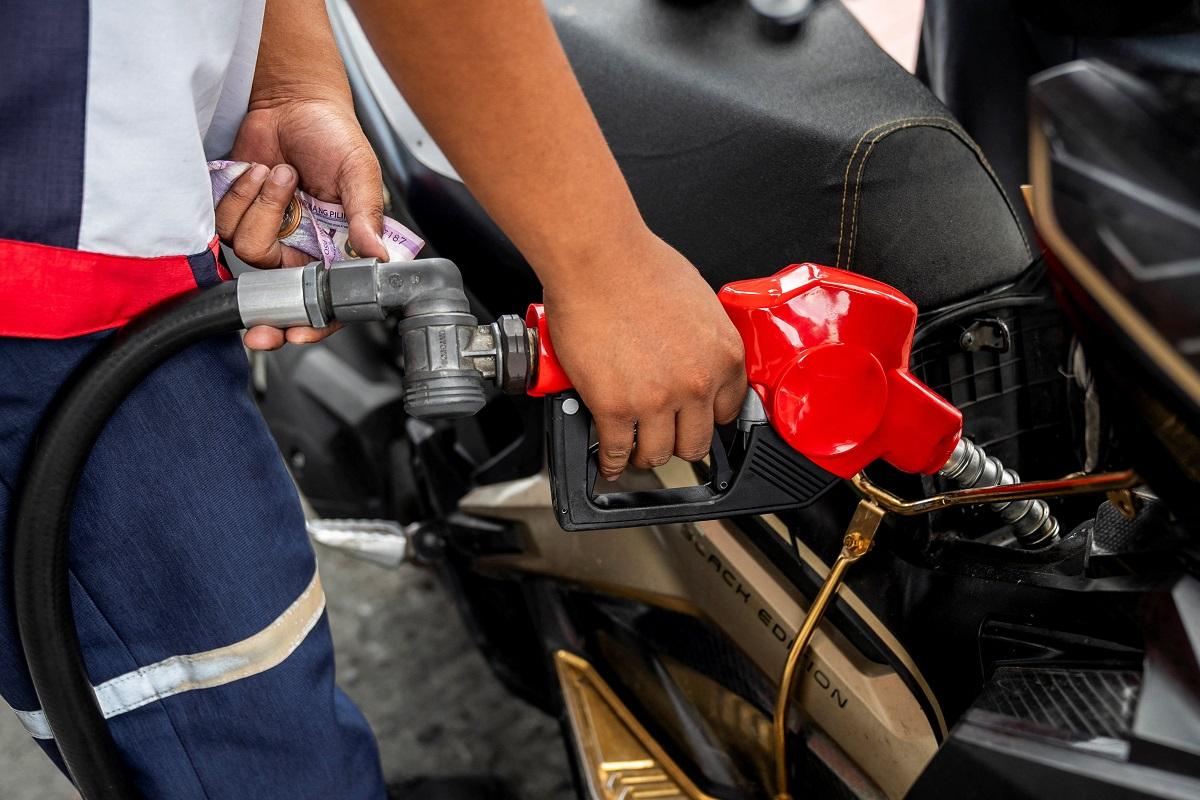
Philippine inflation could pick up to 3.9% this month, the fastest in over a year, amid the continuous hikes in petroleum prices due to the ongoing conflict in the Middle East, the Bangko Sentral ng Pilipinas (BSP) said Tuesday.
According to the central bank, inflation could fall within the 3.1% to 3.9% range. If realized, inflation would either be the the fastest in 19 months since the 3.3% in August 2024 or the quickest in 20 months since the 4.4% in July 2024.
“Inflation risks have intensified with upward price pressures arising from the significant increase in domestic petroleum prices, higher rice prices, increased electricity charges in Meralco-services areas, and depreciation of the peso,” the BSP said in a statement.
Local pump prices were hiked anew on Tuesday, March 31, marking 12 straight weeks of increases for gasoline, and 14 for both diesel and kerosene.
Global prices have continued to increase due to the escalating conflict in the Middle East, as Iran closed off the Strait of Hormuz, a key global shipping corridor that carries around a fifth of the world’s oil.
The Manila Electric Company (Meralco) has also raised rates by 64.27 centavos per kilowatt-hour (kWh) in March, bringing the overall rate for a typical household to P13.8161 per kWh from P13.1734 per kWh the previous month.
The Philippine peso, meanwhile, has continued to depreciate, hitting several all-time lows in March. It closed Monday, March 30, at a new record low of P60.69:$1.
The central bank noted, however, that the lower prices of vegetables, fish, and meat may partly temper inflation, but upside pressures continue to warrant close monitoring.
“The BSP will remain vigilant and guided by incoming data, specifically on inflation and growth prospects. We will continue to monitor recent developments in the Middle East for their implications on inflation and economic activity,” it said.
Iran over the weekend said it was ready to respond should the United States deploy its troops after it accused Washington of planning to send in its ground forces while pushing for negotiations to end the conflict.
US President Donald Trump for his part, in an interview with Financial Times, said he wants to “take the oil in Iran” and hinted at the possibility of taking over the export hub of Kharg Island, as reported by Reuters.
President Ferdinand “Bongbong” Marcos Jr. last week declared a state of national energy emergency and ordered the adoption of a Unified Package for Livelihoods, Industry, Food, and Transport (UPLIFT), to ensure energy supply stability, and support key sectors such as transport, agriculture, and micro, small, and medium enterprises (MSMEs).
Malacañang, citing Energy Secretary Sharon Garin, has maintained that there is no crisis in oil supply but rather a disruption in prices due to developments in the Middle East. —KG, GMA News

