

 GMA Brandtalk
 Tracking
 Archives

High fuel costs forcing Benguet farmers to abandon harvests
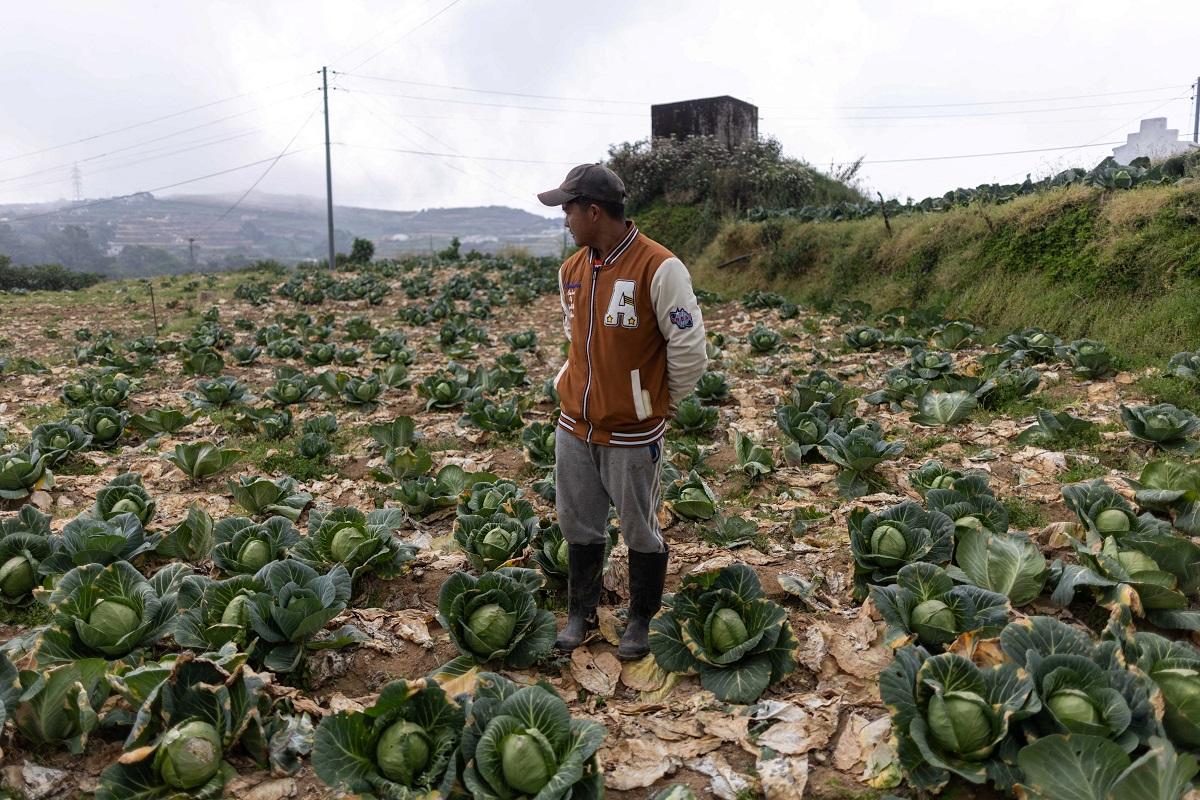
BENGUET — Farmers like Romeo Wagayan have been left with little choice but to let their vegetables rot in the field rather than sell them a loss, as rising oil prices linked to the conflict in the Middle East drive up the cost of harvesting, labor and transport.
"There's nothing we can do," said Wagayan, a 57-year old vegetable farmer in Benguet.
"If we harvest it, our losses only increase because of labor, transportation and packing costs. We don't earn anything from it. That's why we decided not to harvest at all."
Soaring costs caused by the Middle East war are piling pressure on Filipino farmers, with the Philippines particularly vulnerable to oil shocks because of its heavy reliance on imported fuel.
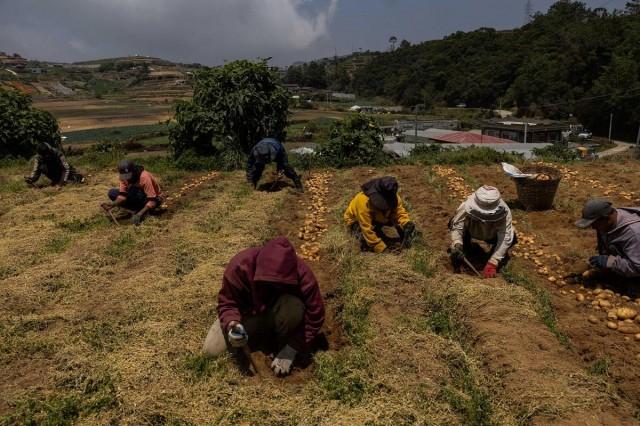
Wagayan's experience mirrors the challenges faced by many highland farmers, according to Agot Balanoy, an adviser at La Trinidad's vegetable trading hub, who said that a number of growers are halting harvests as buyers pull out as a result of weak demand and surging costs.
Balanoy said some buyers are cancelling or limiting purchases, reflecting a shift in consumer behavior as households grappling with soaring inflation cut back on vegetables and opt instead for cheaper, filling alternatives such as instant noodles.
It costs farmers P18 to P20 to produce a kilo of cabbage, Balanoy said, covering basic farm inputs such as seeds and fertilizers, but farmgate prices have collapsed to as low as P3, and in recent days have hovered at just five to P8 per kilo.
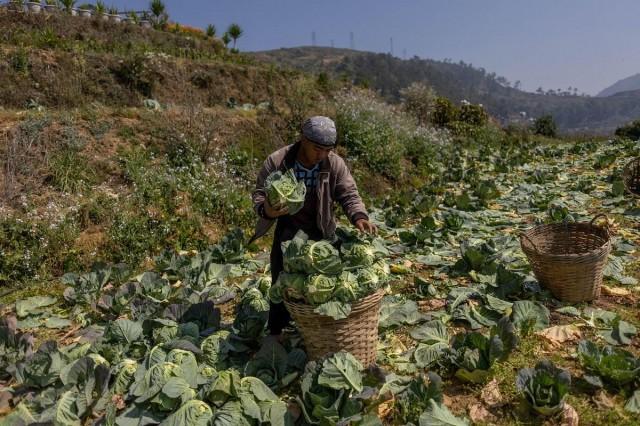
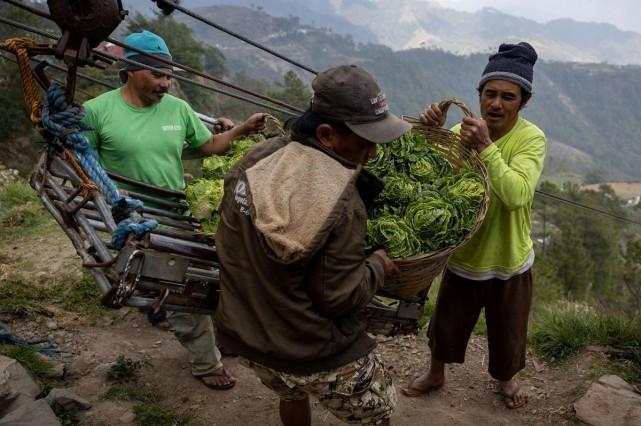
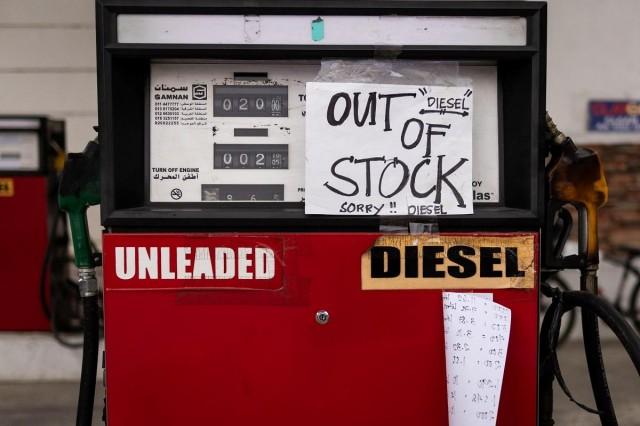
The downturn has been exacerbated by the sharp increases in fuel prices, which have pushed up the costs of transporting produce from mountainous farms to trading posts and urban markets, while also driving up the price of farm inputs such as fertilizer.
"The increase in diesel prices has a really big impact on us, both during planting and harvesting," said 27-year-old vegetable farmer Arnold Capin.
He said long delivery trips often mean farmers are left with little or nothing once the produce is sold.
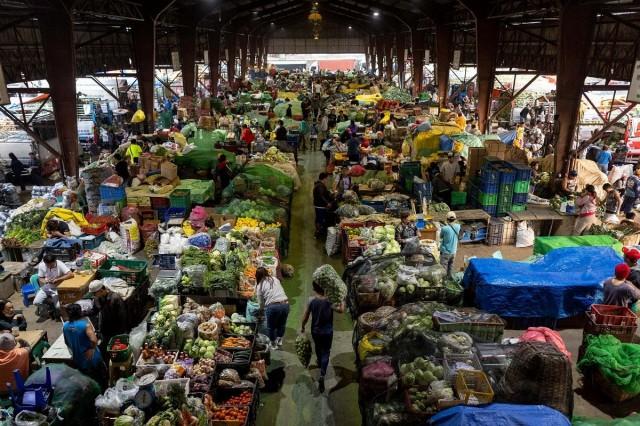
The latest government data showed that annual inflation in the Philippines surged past 4% in March, up from 2.4% in February, driven largely by hefty increases in fuel prices.
Diesel prices soared 59.5% in March from a year earlier, while gasoline jumped 27.3%, the fastest gains since September 2022, when global energy markets were disrupted by Russia's invasion of Ukraine. These compare with February declines of 1.3% for diesel and 5.7% for gasoline.
"It's frightening because you don't know where you'll get the money to buy food," Capin said. — Reuters

