

 GMA Brandtalk
 Tracking
 Archives

EXPLAINER: Purchasing power and how inflation and oil prices affect peso's worth
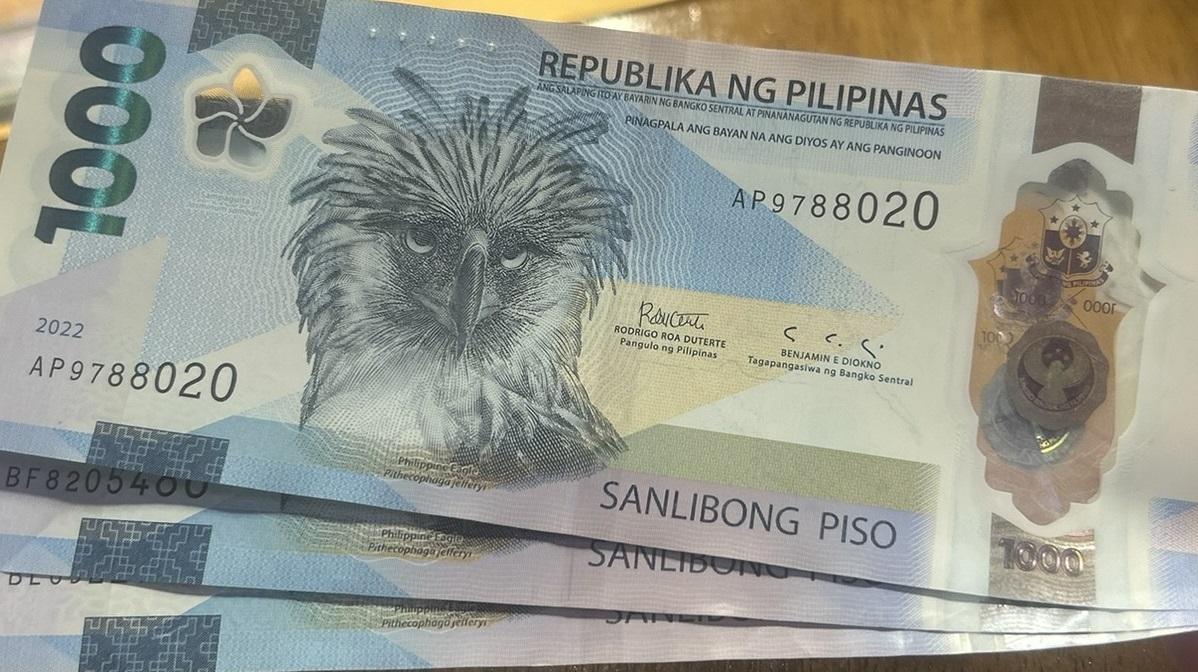
The Philippine Statistics Authority (PSA) recently revealed that the value of P1 in 2018 has shrunk to only 75 centavos as of March 2026 due to the series of accelerating inflation in the past five years.
To illustrate on a typical “grocery budget” scale, the erosion of the peso's purchasing power means the worth of P1,000 eight years ago has gone down to P750.
It is not imagination if Filipinos feel their grocery cart is getting lighter even though they are spending the same amount of money.
GMA News’ "Unang Hirit: On Record" spoke with Rizal Commercial Banking Corp. chief economist Michael Ricafort to explain this phenomenon.
“So, ‘yung piso dati, yung mabibili ngayon, parang equivalent na lang sa ‘yung halaga, bumaba na. Parang 75 centavos na lang. So, mas konti na yung mabibili ngayon,” Ricafort said.
What is purchasing power?
The PSA defines the purchasing power of the peso as a measure of the “real value” of the local currency in a given period relative to a base year, in this case 2018, which indicates the amount of goods and services that a currency can buy.
A lower purchasing power means consumers can buy less with their money compared to their base year’s worth.
“Isang tray na lang, dati dalawang tray. Tapos yung noodles, kalahati na lang ‘yung pack,” Ricafort said.
The purchasing power of the Philippine peso is computed as 1 divided by the consumer price index, multiplied by 100.
The decline of the peso’s buying power came after inflation—the rate of increase in the prices of goods and services—accelerated to 4.1% in March, driven by the series of mega pump price hikes resulting from the ongoing war in the Middle East.
Ricafort explained that the Philippines has been hit by three major waves of high inflation: the spike in rice prices in 2018 due to the removal of cheaper NFA rice in the market, the surge in global oil and wheat prices due to the Russia-Ukraine war in 2022, and the recent US-Israel versus Iran war in the Middle East which caused major global oil price shocks.
“Kasi lalo na ‘yung wala tayong control diyan sa world oil price. Parang nagiging matic na yun, unfortunately. At ito ’yan, ‘di naman natin alam kung kailan matapos ’yung giyera… Parang ano na yan eh, pag tumataas yung world price ng gasolina or diesel at ng petrolyo, eh pasa-pasa. May ano, tumataas ‘yung inflation,” the economist said.
Ricafort said that until the country reduces its dependence on expensive imports and global oil, the peso's power will likely remain vulnerable to international developments. –NB, GMA News

