

 GMA Brandtalk
 Tracking
 Archives

Quimbo: Removing VAT on fuels will be heavier burden
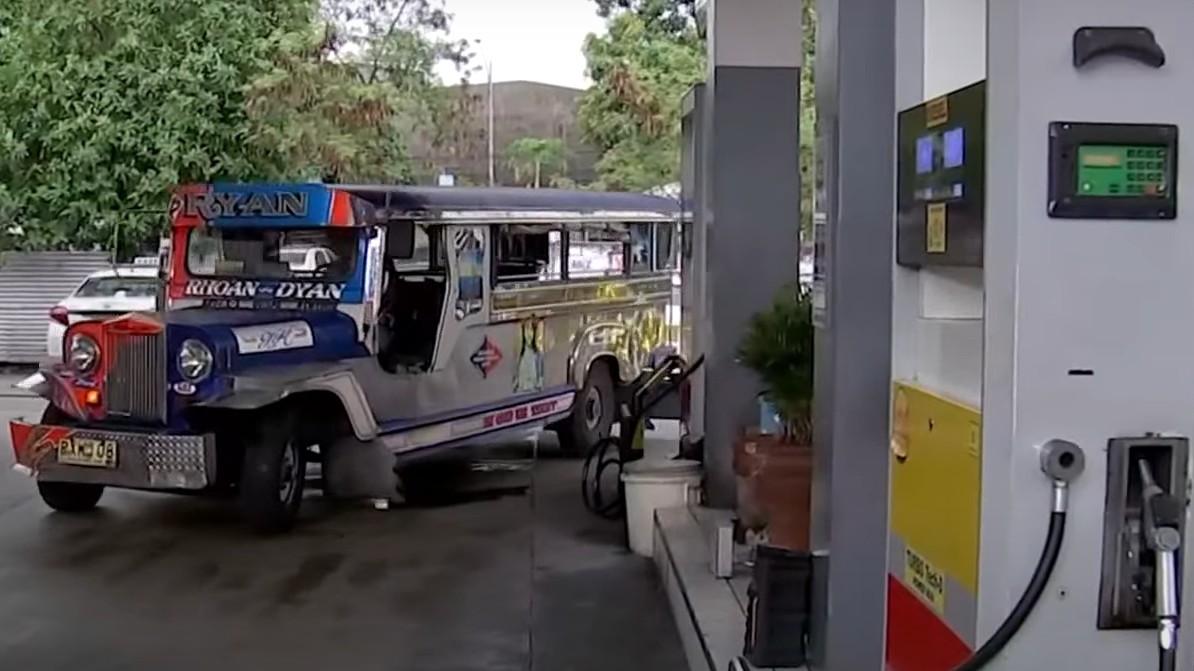
The removal of value-added tax (VAT) on petroleum products amid the surging fuel prices will worsen the country's situation in the face of the Middle East crisis, House ways and means panel chairperson and Marikina City 2nd District Representative Miro Quimbo said.
"When that happens, not only will we lose government revenues. It will also affect our credit rating," Quimbo said during Day 1 of the committee hearing on oil crisis responses conducted by the 13-strong House committees led by the House ways and means panel.
"If our credit rating goes down, the first that will take a hit is our ability to repay [our loans]," Quimbo added.
He added that a lower credit rating for the country will also result in banks imposing higher interest rates on housing loans, car loans, and other personal or business loans.
During the same hearing, Finance Secretary Frederick Go said that as it is, the country is already operating on a deficit because the 2026 budget, valued at P6.8 trillion pesos, is already more than the country's total tax revenues worth P4.4 trillion and other non-tax revenues amounting to P400 billion.
"Our total revenues is P4.8 trillion. Our total expenses is P6.8 trillion. We have a P2 trillion deficit that the Bureau of Treasury will have to fund. If there are certain taxes or certain subsidies that Congress would like to give and certain taxes that Congress would like to remove… I think that we will of course defer to your wisdom," Go said.
"We just have to be cognizant, Mr. Chair, that if we want to continue funding the government, its operations, its programs, and its projects, especially those in education, health, agriculture, infrastructure, peace and order, etcetera. We would have to find replacement sources of revenue to fund those expenditures," Go added.
In view of this, Go said it is also the government's job to collect the taxes and borrow the money to address financial gaps.
"We have to borrow the gap to fund the planned expenditure also approved by Congress. So every time we remove something, which is of course very possible, we just have to find a replacement source of revenue," Go added.
Oil prices have surged exponentially since US-Israeli forces launched airstrikes on Iran on February 28, prompting the latter to retaliate.
The Philippines sources 98% of its crude oil supply from the Middle East.
Since then, transit of cargo ships along the Strait of Hormuz, a major passageway for the world's oil supply, has been constricted.
As a result, fuel prices have already breached P100 per liter for the last two weeks, burdening sectors across the board, especially the public transport sector. — VDV, GMA Integrated News

