

 GMA Brandtalk
 Tracking
 Archives

What to expect from LPG, kerosene excise tax suspension
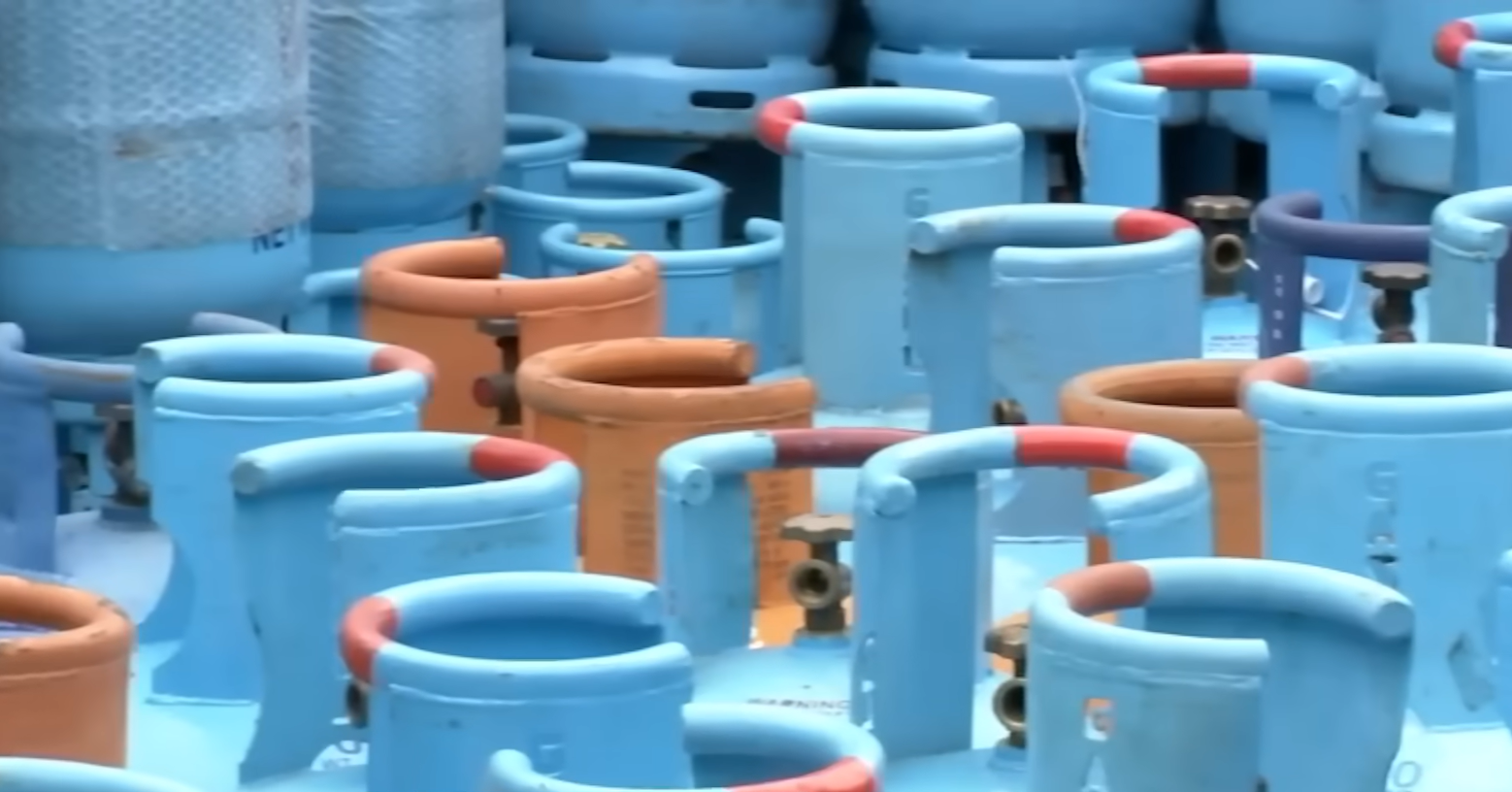
President Ferdinand “Bongbong” Marcos Jr. on April 13 announced the suspension of excise taxes on liquefied petroleum gas (LPG) and kerosene, a move aimed at easing the burden on households amid volatile global oil prices driven by tensions in the Middle East.
The authority stems from Republic Act No. 12316, signed on March 25, which grants the President emergency powers to suspend or reduce fuel excise taxes upon the recommendation of the Development Budget Coordination Committee (DBCC), in coordination with the Department of Energy (DOE).
The law took effect this month, or 15 days after its publication and allows the exercise of such powers until December 31, 2028.
Under the measure, the suspension or reduction may be implemented for up to three months if the average Dubai crude oil price—based on the Mean of Platts Singapore (MOPS)—reaches or exceeds $80 per barrel for one month. Brent crude prices have been hovering at around $102 per barrel.
Effect on prices
Prior to the suspension, excise taxes under the Tax Reform for Acceleration and Inclusion (TRAIN) Law were set at P3.00 per kilogram for LPG and P5.00 per liter for kerosene.
With the suspension, the Department of Finance (DOF) said consumers may save around P36.96 per 11-kilogram LPG cylinder and P5.56 per liter of kerosene.
On Tuesday, DOF Undersecretary Rolando Ligon Jr. said the effects of the suspension could be felt within one to two days.
Targeted relief
The DOF said the DBCC recommendation aims to balance consumer relief with fiscal sustainability, focusing on sectors most affected by rising fuel costs.
Data show that nearly 48% of kerosene consumption comes from the bottom 30% of households, while 55.7% of LPG users belong to the bottom 70%.
“This means the benefits extend beyond the poorest households to also support middle-income families. For these families, every peso saved on fuel costs means more resources for food, education, and healthcare,” DOF Secretary Frederick Go said.
DOE Secretary Sharon Garin said the government is prioritizing targeted subsidies to ensure assistance reaches those most in need, while also considering additional support measures.
“I think the government has to see it at a macro level, not just at the individual level. If poverty increases, it will affect the whole country if we do not prioritize those who need help the most,” she said.
“I think this advantage will be felt by everyone, whether you are middle class, upper, or lower,” she added.
Why not gasoline and diesel?
The DOF said expanding excise tax cuts to gasoline and diesel could offer some relief but would come at a significantly higher fiscal cost with limited impact on pump prices.
It estimates that a three-month suspension of excise taxes on LPG and kerosene would result in P4.1 billion in foregone revenues. This could rise to as much as P43.6 billion if diesel and gasoline were included.
“(T)he DBCC has determined that suspending excise taxes on diesel and gasoline would not likely provide meaningful relief, as any reduction in retail pump prices would be marginal and largely offset by prevailing market dynamics,” Go said.
Earlier, Marcos ordered the release of P21.47 billion for fuel subsidies and infrastructure support. Subsidies have already been rolled out for the transport sector, farmers, and fisherfolk.
“This measured and targeted response is designed to deliver immediate relief, ensuring that support reaches those who need it most, while preserving fiscal space to sustain essential public services and respond to an unpredictable global environment,” Go added.
The administration said it will continue to monitor global oil price movements and adjust its response as needed.—MCG, GMA News

