

 GMA Brandtalk
 Tracking
 Archives

Japan plans $10-billion support to help Southeast Asia secure oil
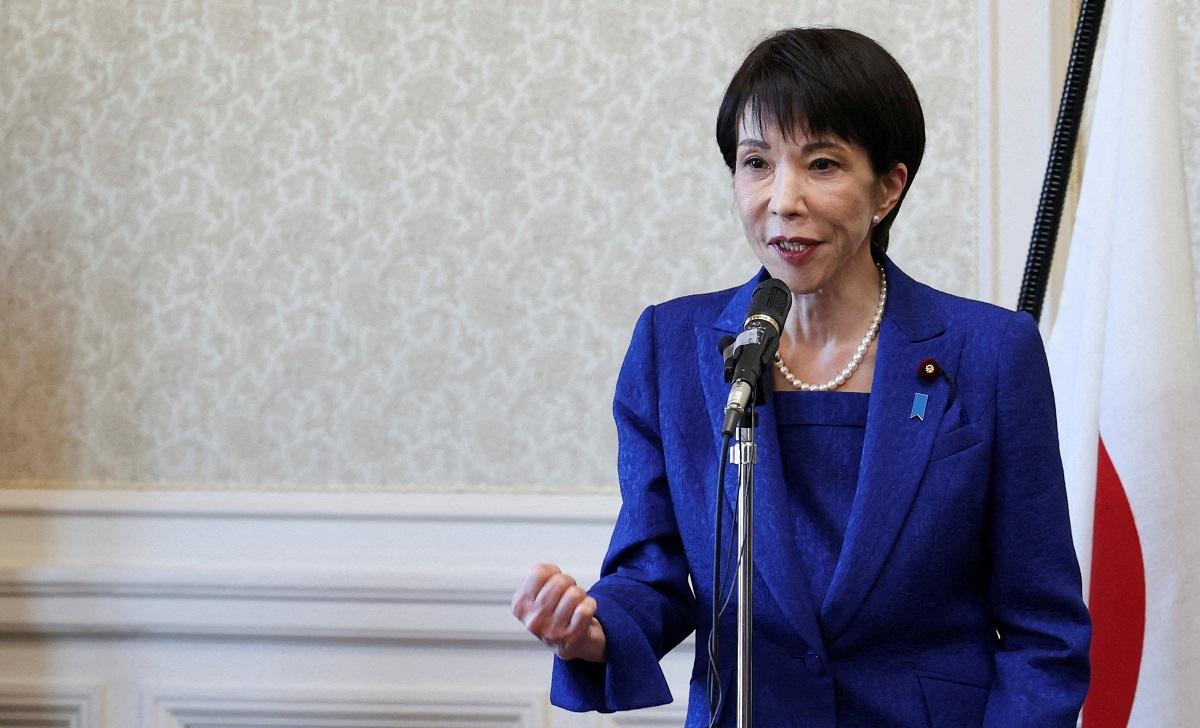
TOKYO — Japan said on Wednesday it would establish a financial framework worth about $10 billion to help Asian countries procure energy resources such as crude oil as Middle East tensions drive prices higher and disrupt supply chains.
The support, aimed at preventing knock-on effects on Japan's own supply chains, would be channeled mainly through state-backed financial institutions such as Japan Bank for International Cooperation (JBIC) and Nippon Export and Investment Insurance (NEXI).
No further details were available on how the support would be extended.
Announcing the plan, Prime Minister Sanae Takaichi said the support would be equivalent to as much as 1.2 billion barrels of oil, or about one year's worth of crude oil imports by the Association of Southeast Asian Nations (ASEAN). She was speaking after a meeting of the "AZEC Plus" under the Japan-led initiative, Asia Zero-Emission Community (AZEC).
Leaders of the Philippines, Malaysia, Singapore, Thailand and Vietnam attended the meeting, among others.
"We are closely interconnected with Asian countries through supply chains and other channels, and we are mutually dependent,” Takaichi told reporters after the talks, citing examples such as dialysis equipment and surgical drains.
"Supporting Asian countries' supply chains would in turn bolster Japan’s own economy."
The plan includes credit provision for local companies to procure alternative resources such as US crude oil, as well as financing and loans for companies and governments that are part of Japan's supply chain.
Support to help diversify energy sources and boost partner countries' stockpiles through storage tank construction is also included.
Compared with Japan, Southeast Asian countries hold smaller oil stockpiles, leaving supplies of crude and petroleum products such as naphtha—a key feedstock for plastics—increasingly tight. A disruption in Southeast Asian production has fueled anxiety among Japanese healthcare providers that rely on Asia for critical supplies such as containers, tubes and gloves.
About 90% of crude oil passing through the Strait of Hormuz is destined for Asia, according to Japan's Agency for Natural Resources and Energy.
Tokyo has said it has secured some four months' worth of naphtha for domestic use, but a growing number of manufacturers have flagged a disruption to deliveries in recent days. The government also said on Wednesday it plans to release another 36 million barrels from its national oil reserves from early May.
Asked whether countries had requested access to Japan's oil reserves following the AZEC Plus meeting, Takaichi declined to comment but stressed the agreement did not involve a release of its stockpile and would not affect domestic supply. — Reuters

