

 GMA Brandtalk
 Tracking
 Archives

EXPLAINER: Which oil products are consumed in the Philippines?
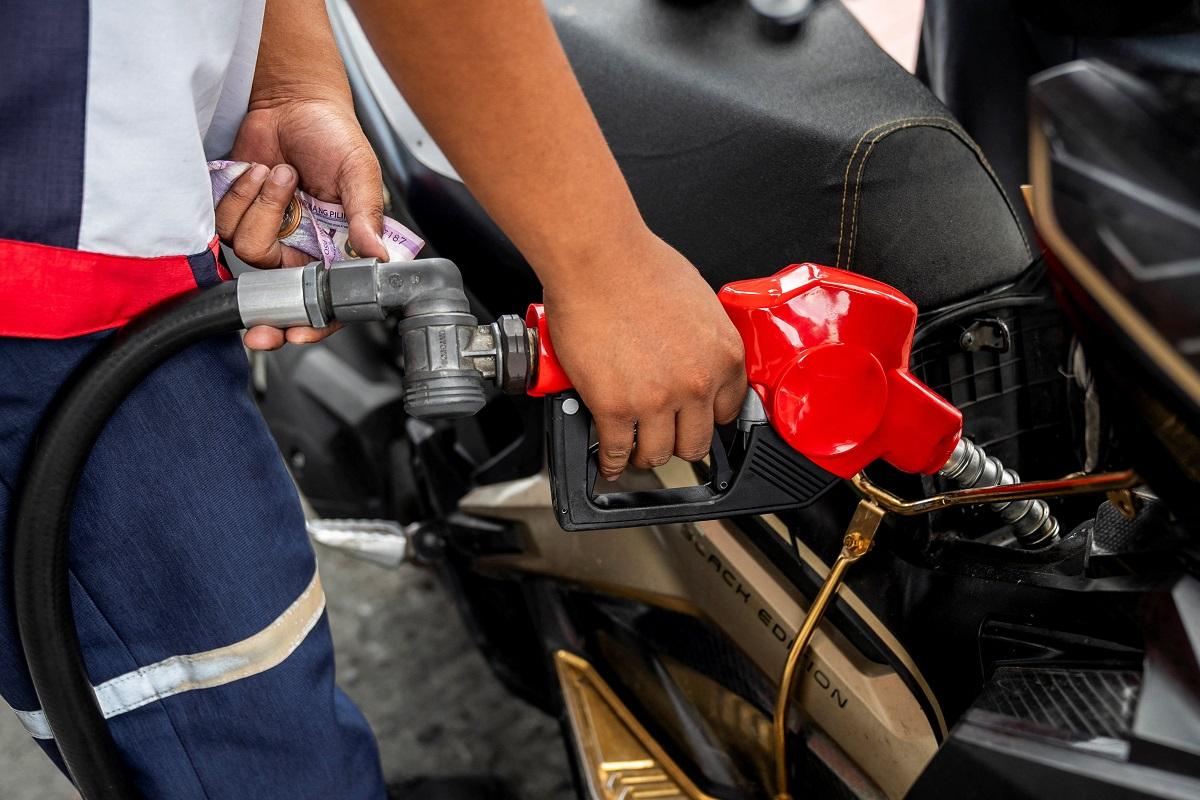
The Philippines relies heavily on foreign markets to meet its energy demands.
The country is diversifying its sources in light of the ongoing tensions in the Middle East, where 98% of its crude oil imports come from. Recently, the Philippines imported diesel from Malaysia and crude oil from Russia.
Meanwhile, 91% of liquefied petroleum gas (LPG) in the country comes from refineries in other Asian countries, according to the Department of Energy (DOE).
The International Energy Agency (IEA) said that most crude oil is refined into oil products such as gasoline, diesel, kerosene, and heavy fuel oil.
“These are primarily used to fuel automobiles, airplanes, ships, and machinery, and in some places to heat buildings. Many of the petroleum products made from oil have non-energy uses, notably asphalt, engine lubricants, and raw materials for making plastics,” the IEA said.
The IEA said that the Philippines’ transport sector is the largest oil-using sector with 65.4% as of 2023. It was followed by the commercial and public services at 11.2%.
Other high-consuming sectors in the country include those for industrial use, residences, agriculture and forestry, and fishing.
What are the most consumed oil products in the country?
In 2023, the most consumed oil product in the Philippines was gas/diesel at 47.8%, the IEA said.
Diesel fuel is a common term for distillate fuel oil. It is refined from crude oils and biomass materials. Diesel is also used in diesel-engine generators to generate electricity.
Further, the IEA data showed that motor gasoline is the next most consumed oil product in the Philippines, with 29.3%.
Gasoline is a petroleum-based fuel designed for vehicles. It is processed in refineries into a finished product and sold to the public at gas stations.
Another most consumed oil product is LPG/ethane at 10.1%.
LPG consists of hydrocarbon gases like propane and butane obtained during oil refining or gas processing. These gases are easily turned into liquid through simple pressure—rather than extreme cooling—making them much easier to move and store. LPG is commonly used for cooking.
Ethane is a clear, odorless gas at normal conditions, primarily sourced from natural gas. It belongs to the paraffin family of hydrocarbons and remains a gas unless cooled below its extremely low boiling point of -127°F.
IEA data also showed that the country also consumes naphtha and jet kerosene.
Naphtha is the name for a liquid made from oil that starts to boil at 122°F and completely turns to vapor at 400°F. It can be used as is or processed further into other products.
Kerosene-type jet fuel is a refined petroleum product specifically engineered for turbine and turboprop engines in both civilian and defense aviation. It must adhere to strict international quality standards.
It is categorized into commercial grades for airlines and military grades for armed forces aircraft.
The Philippines currently maintains a fuel reserve that can sustain the country for approximately 50 days, potentially lasting until early June 2026, the DOE said.
Specifically, the country has sufficient supplies to last 36 days for LPG, 49 days for diesel, 54 days for gasoline, and 105 days for kerosene. —VBL, GMA News

