

 GMA Brandtalk
 Tracking
 Archives

What are ‘basic necessities’ and ‘prime commodities’? Here’s what consumers need to know
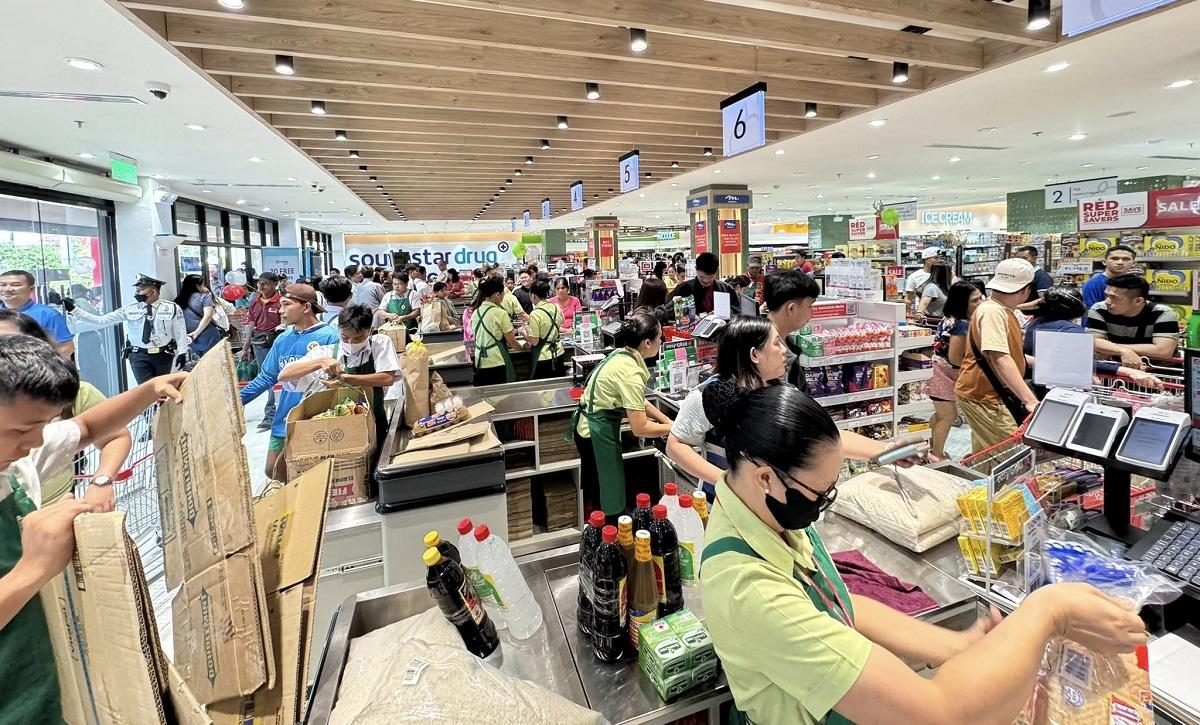
With the government extending the price freeze on essential goods, consumers are urged to better understand which products are classified as “basic necessities” and “prime commodities” under the law.
Under Republic Act No. 7581, or the Price Act, basic necessities refer to goods that are essential for survival and health, especially during disasters and emergencies. These include items such as:
- Bread
- Canned fish and other marine products
- Potable water (bottled/containers)
- Processed milk
- Locally manufactured instant noodles
- Coffee
- Salt
- Laundry soap and detergents
- Candles
On the other hand, prime commodities are not considered basic survival needs but are still important for daily living.
These include:
- Flour
- Processed or canned pork, beef, and poultry
- Vinegar, patis, soy sauce
- Toilet soap
- Paper
- School supplies
- Cement
- Clinker
- GI sheets
- Hollow blocks
- Construction supplies
- Batteries
- Electrical supplies
- Light bulbs
- Steel wires
The classifications are used by the Department of Trade and Industry (DTI) to guide price monitoring and regulation, particularly during times when price controls or freezes are implemented.
Authorities said understanding these categories can help consumers make informed purchasing decisions and monitor whether prices remain within suggested retail price (SRP) guidelines.
The DTI also encourages the public to stay vigilant and report any irregularities in pricing, especially for goods covered under the basic necessities and prime commodities list. —VAL, GMA News

