

 GMA Brandtalk
 Tracking
 Archives

EXPLAINER: How the BSP’s interest rate hikes or cuts affect ordinary Filipinos
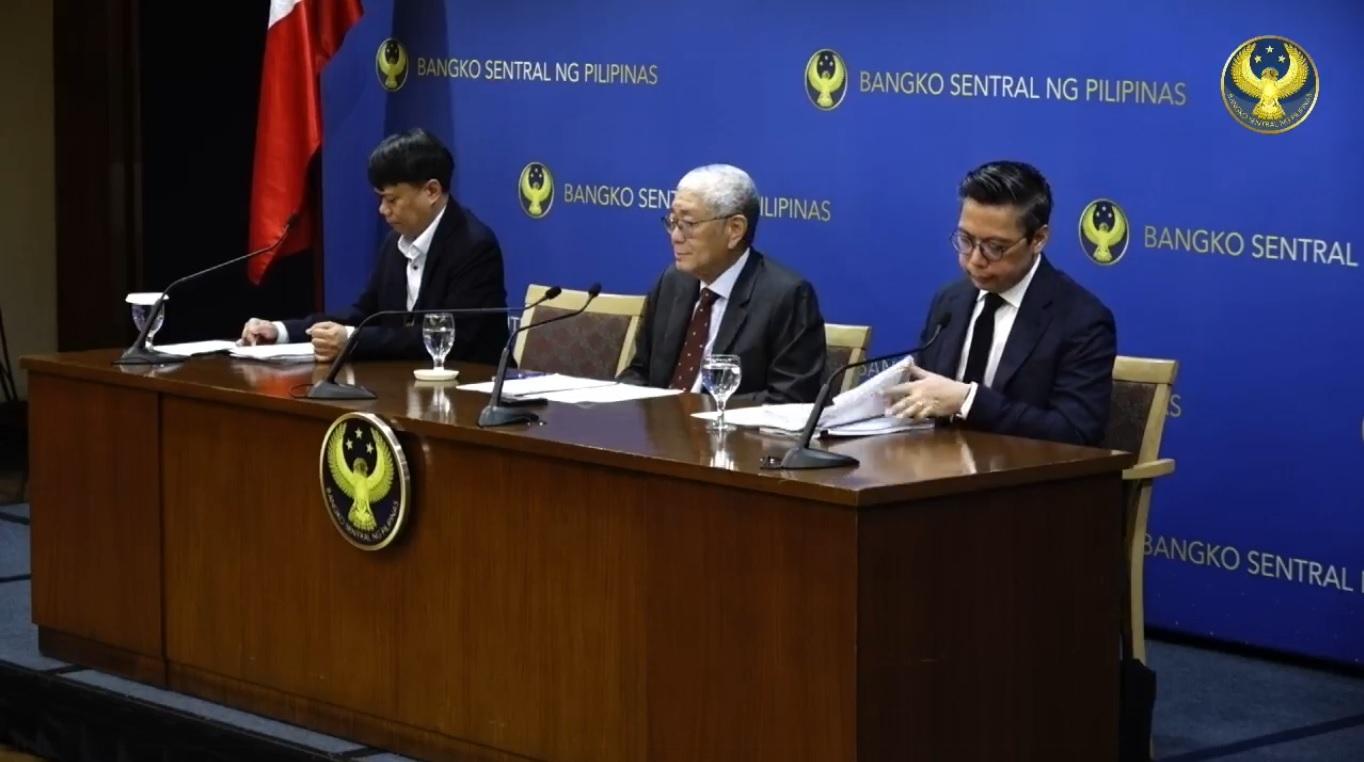
The Bangko Sentral ng Pilipinas’ (BSP) Monetary Board officially closed its easing cycle after it delivered a policy rate hike to counter spillover inflationary effects of rising global oil prices on local costs of food and commodities.
The central bank raised the key interest rates by 25 basis points, bringing target reverse repurchase rate at 4.5%, the overnight deposit rate to 4%, and the overnight lending rate to 5%.
BSP Governor Eli Remolona Jr. explained that the monetary policy tightening was meant to “contain the build up of spillover effects” as “higher oil and fertilizer prices are expected to spill over to food prices and services” which can hurt households as well as businesses.”
Monetary policy
Monetary policy or interest rates are among the tools used by central banks to stabilize inflation by controlling the money supply through raising borrowing costs.
Under the target reverse repurchase facility, the BSP borrows funds from banks, using government securities as collateral. This impacts the country’s money supply, as it shifts money from banks into the central bank.
The overnight deposit facility involves banks depositing their funds with the central bank, effectively removing excess money from the financial system, and taming inflation.
Meanwhile, the overnight lending facility involves the central bank lending money to banks. This would move money from the BSP into banks, which eventually reaches the public. This would boost money supply and credit.
Raising rates to slow down spending
While all this monetary jargon seem to be understood only by bankers and economists, the central bank’s policy decisions directly affect the consuming public.
Philippine Institute for Development Studies senior economist John Paolo Rivera explains that policy rates are the interest rates set by BSP to influence Filipinos' borrowing and spending.
“When BSP raises interest rates, borrowing becomes more expensive. This slows down spending by households and businesses, which helps cool inflation. For ordinary Filipinos, this means loans (housing, car, credit cards) become costlier, but it can help stabilize prices over time,” he said.
Likewise, said Rizal Commercial Banking Corp. chief economist Michael Ricafort, “If inflation is higher and above the central bank’s targets, it raises rates or tighten monetary policy to deliberately or engineer a slowdown in the economy to reduced demand that, in turn, slow down prices and overall inflation.”
Simply put, monetary authorities raise interest rates when inflation is rising fast. This makes borrowing of money more expensive, as banks follow the BSP’s lead, and slows down spending by households and business.
Lowering rates to boost spending
Meanwhile, when the central bank lowers interest rates, borrowing becomes cheaper.
“This encourages spending and investment, which can support economic growth. For households, this means lower loan costs, but if demand rises too quickly, it can also lead to higher inflation. In simple terms, higher rates means slower spending, lower inflation; lower rates means stronger spending, higher growth (but with some inflation risk). BSP adjusts rates to keep inflation manageable while supporting the economy,” Rivera said.
Ricafort added that “if the economic growth is relatively slower and inflation is within the central bank’s target or relatively benign, it can cut interest rates to reduce borrowings costs on the hope of boosting demand for loans or credit and lead to faster economic growth.”
In short, the BSP cuts rates when the economy is sluggish and needs a booster by lowering rates which makes borrowing cheaper, which, in turn, encourages spending and investments.
Ricafort said monetary policy tightening or easing is a delicate balancing act for central banks to fulfill its mandate of price stability to keep economic growth sustainable and more inclusive.
The BSP’s policy decisions, however, are not felt overnight. It usually takes six months to over a year before the effects of interest rates adjustments to trickle down to the local market. — BM, GMA News

