

 GMA Brandtalk
 Tracking
 Archives

ASEAN energy chiefs push ratification of petroleum-sharing deal amid Middle East crisis
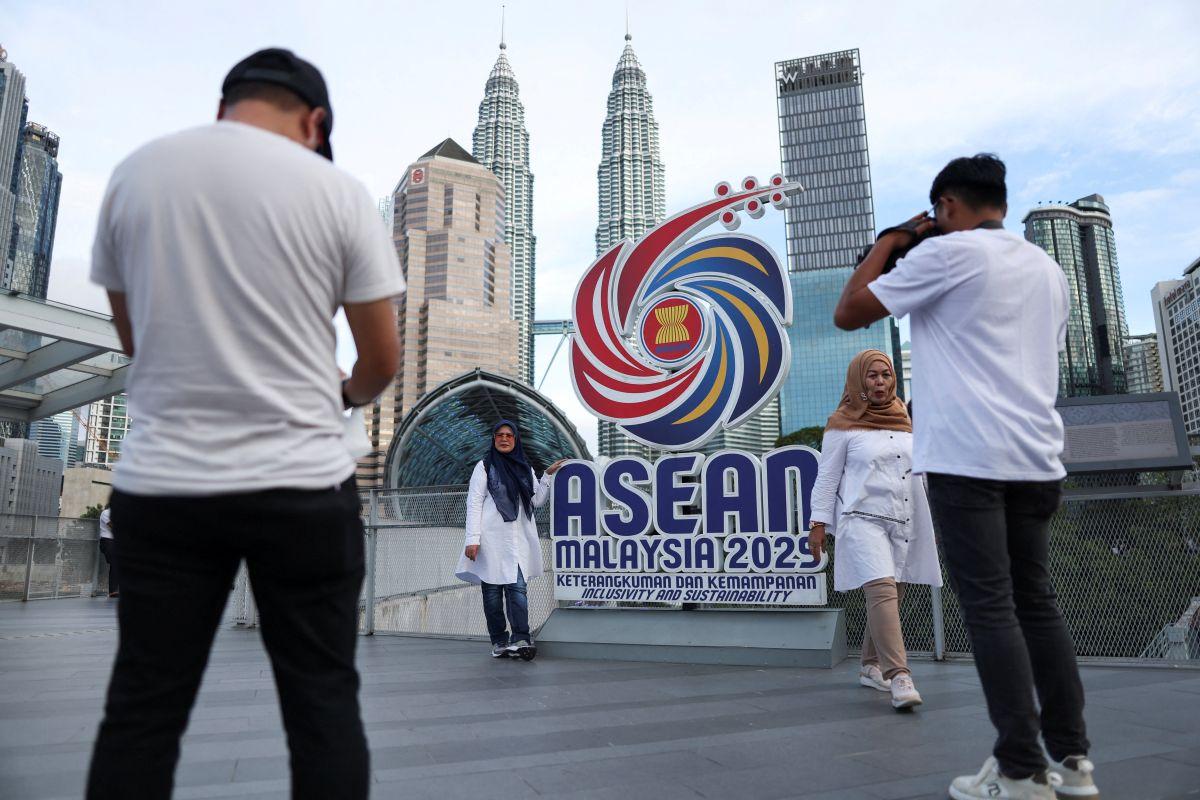
The energy ministers of the Association of Southeast Asian Nations (ASEAN) have called for the “expeditious" ratification of a regional petroleum-sharing agreement to support the member states' oil and gas needs during global supply disruptions in light of the US-Israel war on Iran.
In a joint statement following the special virtual meeting on Monday, the ASEAN energy chiefs, chaired by Philippine Department of Energy Secretary Sharon Garin, emphasized that the current geopolitical climate necessitates a shift from individual national policies to a "voluntary and coordinated framework for emergency response."
The region’s energy ministers identified the ASEAN Framework Agreement on Petroleum Security (APSA) as the “cornerstone” of Southeast Asia’s defense against external energy shocks.
"We underscored the importance of the ASEAN Framework Agreement on Petroleum Security (APSA) as a key regional mechanism to enhance preparedness and collective response to potential oil and gas supply disruptions... In this regard, we urged the expeditious completion of national processes towards its ratification,” the joint statement read.
The ASEAN energy chiefs said that the move is a strategic push to fortify the region’s emergency response capabilities as volatile global markets threaten to disrupt the flow of oil and gas to the bloc.
The original APSA was first signed in Manila in 1986, establishing a framework for ASEAN member-states to share petroleum supplies.
In 2009, a modernized version was signed in Cha-am, Thailand, that introduced the “10% critical shortage” rule and focused on voluntary, commercial-based assistance.
In October 2025, the agreement was renewed at the 43rd ASEAN Ministers on Energy Meeting in Kuala Lumpur, Malaysia, keeping the safety net active through 2026 and expanding cooperation to include natural gas, considering Southeast Asia’s growing reliance on liquefied natural gas (LNG).
The region’s energy ministers said that by finalizing the ratification process, member states commit to a structured system of information sharing and mutual assistance during supply crises.
The bloc’s energy chiefs further noted that this framework is essential for maintaining "stable, accessible, reliable, and affordable energy," which they described as fundamental to the region's security.
Moreover, the ASEAN energy chiefs called for adherence to international law to prevent maritime blockades.
"We emphasized that disruptions in key energy transit routes could have far-reaching implications on global oil supply chains... and underscored the importance of maintaining secure and open sea lanes, ensuring freedom of navigation, [and] the safe, unimpeded, and continuous transit passage of vessels... in accordance with international law, particularly the 1982 United Nations Convention on the Law of the Sea (UNCLOS),” the joint statement read.
"We further noted potential implications... for the supply and pricing of critical refined petroleum products, particularly diesel, gasoil, naphtha, liquefied gases, and other energy-related inputs, including fertilizers, which underpin economic activities, including urban services, food security, industrial production, and transport systems,” they said. — VBL, GMA News

