

 GMA Brandtalk
 Tracking
 Archives

Is a weak peso a boon for OFWs' families?
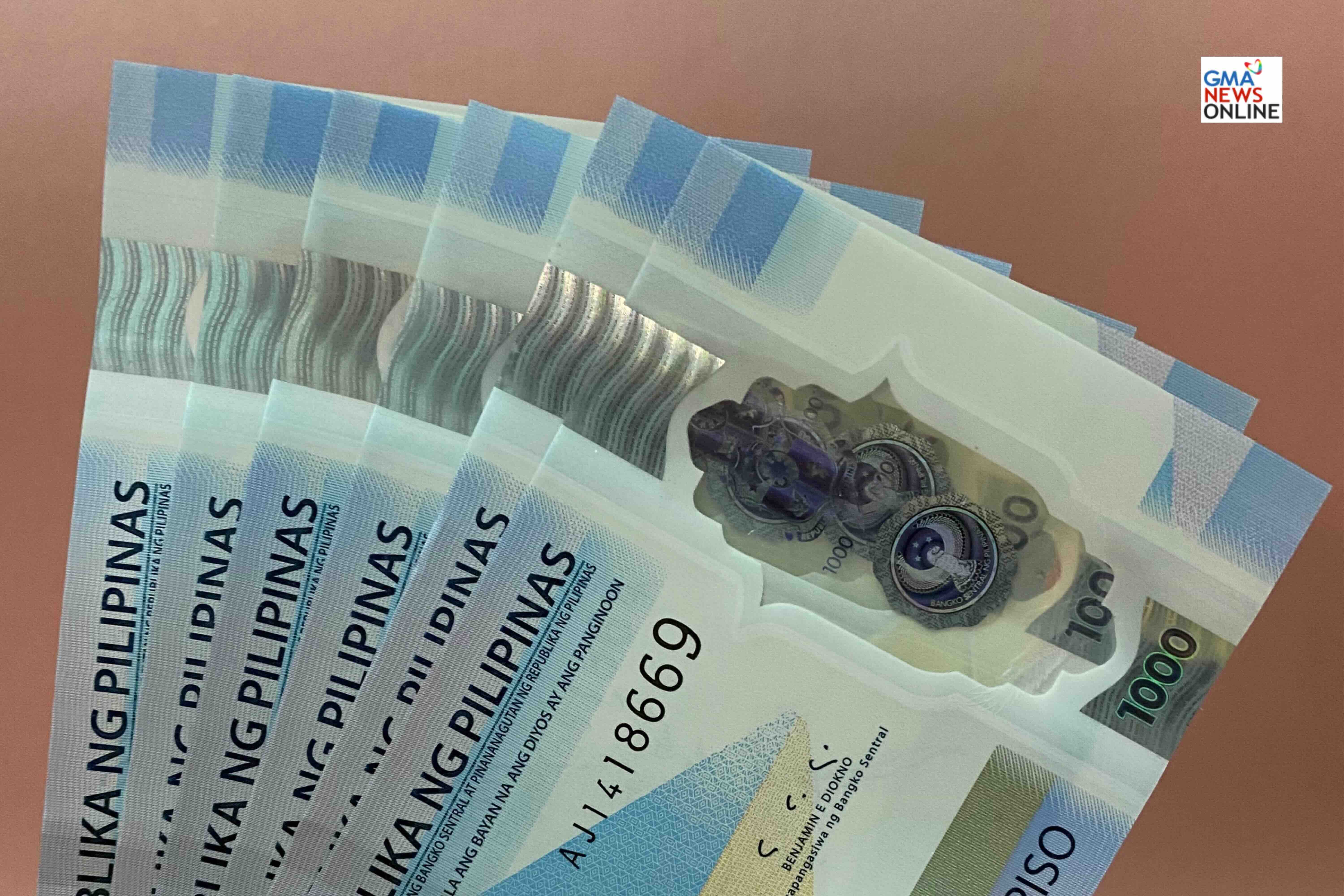
For the second straight day, the Philippine peso plunged to its weakest against the US dollar, sliding past the P61-to-one dollar level due to global uncertainties and hedging activities by importers which would require more dollars.
On Wednesday, the local currency shed 26.7 centavos of its value to close at P61.567:$1 from its previous historic low of P61.300:$1 seen on Tuesday.
At a glance, it might be surmised that families receiving remittances from overseas Filipino workers (OFWs) would enjoy higher peso equivalents of the cash sent home by their loved ones abroad.
But, is this really the case?
More pesos for every dollar
OFWs’ families would receive more as every dollar sent home translates to more pesos, driving household spending and fueling domestic consumption, a key driver of the growth.
It is also beneficial for freelancers, export-oriented firms, and business process outsourcing (BPO) firms, who are mostly paid in dollars.
“Yes, a weaker peso by more than 6% since the war on Iran started on February 28, 2026 would benefit OFWs and their families, exporters, BPOs, foreign tourists, foreign investors, and others that earn in U.S. dollars/foreign currencies,” Rizal Commercial Banking Corp. chief economist Michael Ricafort said.
Likewise, UnionBank of the Philippines chief economist Carlo Asuncion said that a weaker peso generally benefits OFW families in the short-term “because every dollar remitted converts into more pesos, boosting their purchasing power.”
The peso’s movement against the US dollar, however, has encompassing effects—from the value of remittances to the cost of fuel and food and even employment opportunities in the export industry.
Weaker purchasing power
The downside of a weaker peso could be felt in rising prices of imported goods and services, as materials sourced overseas will cost more, and could possibly push inflation higher.
Ricafort said that as more peso proceeds are exchanged for every US dollar sent, this could be “offset by higher importation costs in the country that would lead to higher overall inflation.”
“Weaker peso would also help increase the peso equivalent of foreign debts of the government and private borrowers,” the RCBC economist said.
Asuncion echoed this, saying the advantage of a weak peso, as far OFW remittances are concerned, could be eroded over time as “peso weakness feeds into higher fuel and food prices, so the net gain depends on whether exchange‑rate gains outpace rising living costs.”
Philippine Institute for Development Studies senior economist John Paolo Rivera also said that while a weak peso is beneficial for OFWs’ families in the country in the short term, “as imported inflation sinks in, it will erode their purchasing power in the medium to long run.”
“Benefit is not absolute. Impact is mixed which is positive on remittance value but tempered by inflation and broader economic conditions,” Rivera said. — BM, GMA News

