

 GMA Brandtalk
 Tracking
 Archives

Who are the winners, losers in PH peso, oil price shifts? Business leader answers
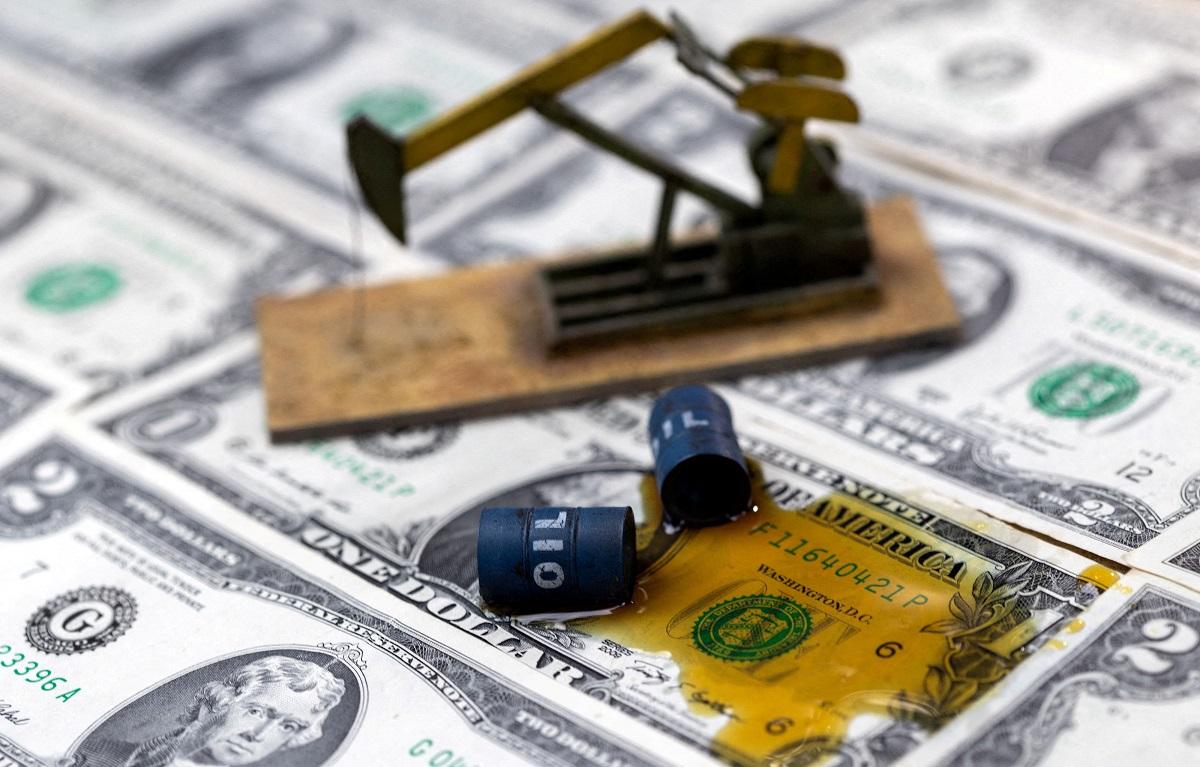
Businesses in the Philippines are experiencing contrasting effects of higher oil prices and the weaker peso against the US dollar, Chamber of Commerce of the Philippine Islands President Jose Luis Yulo Jr. said Friday.
"Whenever there is a devaluation ng peso, may rise ng oil, ang epekto sa mga negosyante ay mayroong nagge-gain, meron nagpe-pain. Mayroong winners, mayroon din losers," Yulo said in an interview with Super Radyo dzBB.
(Whenever there is a devaluation of the peso, there is a rise in oil prices, the impact on businessmen is that some gain, some suffer. There are winners, there are also losers.)
According to Yulo, export-oriented businesses benefit from a weaker peso, especially those who source raw materials locally.
Tourism-related enterprises may also gain, as a cheaper peso makes travel to the Philippines more attractive to foreign visitors.
On the other hand, import-dependent businesses are likely to suffer as the cost of bringing in goods rises.
Industries heavily reliant on fuel and transportation also face increased expenses, according to Yulo.
Consumers' burden
Some businesses pass on these higher costs to consumers, while others may increase prices excessively.
"So ang gagawin mo, ipapasa mo sa masa. Kapag pinasa mo sa masa, minsan 'yan, 'yung nagpapasa ng added increase ng oil, tinutubuan pa nila," Yulo said.
(So what you do is, you pass it on to the masses. When you pass it on to the masses, sometimes, those who pass the added increase in oil, they even increase it more.)
"Tinataasan 'yung presyo. Hindi lang para bawiin 'yung devaluation cost o 'yung taas ng oil, tutubuan pa nila 'yung kanilang pagbabawi. So then it becomes catastrophic. Greed comes in and you try to make money out of a difficult situation," he added.
(Prices are being raised. It's not just to recover the cost of devaluation or the price of oil, they also want to profit from their recovery. So then it becomes catastrophic. Greed comes in and you try to make money out of a difficult situation.)
Shift to local
For Yulo, higher import costs could encourage consumers to shift toward locally made products, which may help boost domestic industries and generate jobs.
"Siyempre, 'yung mga tao naman, hindi ka na makakabili ng imported canned goods. Bibili ka na ng local made. Kapag bumali ka ng local made, tinutulungan mo 'yung local manufacturer, tinutulungan mo 'yung local laborer," he said.
(Of course, people can no longer buy imported canned goods. You will buy locally made. When you buy locally made, you are helping the local manufacturer, you are helping the local laborer.)
Due to this, Yulo stressed the need to strengthen local manufacturing and reduce reliance on imports.
While external factors such as global conflicts affect the economy, Yulo pointed out that long-term solutions depend on improving competitiveness, governance, and industrial development in the country to withstand its impact. — VDV, GMA News

