

 GMA Brandtalk
 Tracking
 Archives

1.4M families exit 4Ps as poverty rate declines, DSWD says
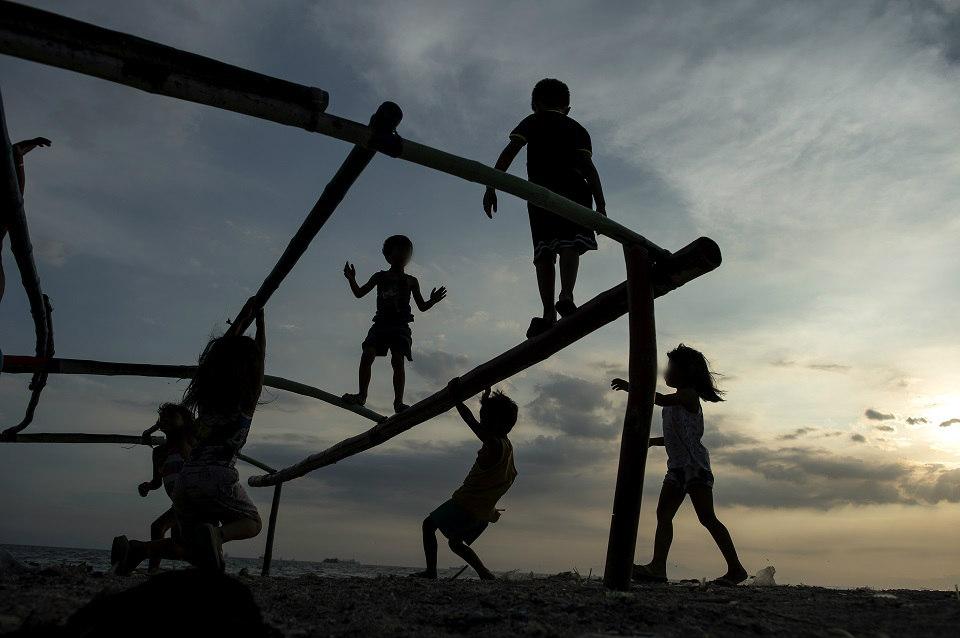
The Department of Social Welfare and Development (DSWD) on Wednesday said around 1.4 million families have already “graduated” from the Pantawid Pamilyang Pilipino Program (4Ps) since 2022, prompting the government to restore only 500,000 beneficiaries as part of a recalibrated anti-poverty effort under the Marcos administration.
In an interview on Unang Hirit, DSWD Secretary Rex Gatchalian clarified that the agency is not expanding the program beyond previous levels, but merely replenishing part of the beneficiaries removed after their economic conditions improved.
“Hindi tayo nagdadagdag. Nire-restore lang natin,” Gatchalian said.
(We are not adding beneficiaries. We are only restoring them.)
He explained that the number of 4Ps beneficiaries previously stood at 4.4 million households, but 1.4 million families have since exited the program after surpassing poverty thresholds or no longer meeting eligibility requirements.
“Ibig sabihin, gumanda yung buhay, wala na mga anak na pinapaaral, kaya inalis na sila sa programa,” he said.
(It means their lives improved, they no longer had children attending school, so they were removed from the program.)
The DSWD chief said the planned inclusion of 500,000 households was based on updated poverty data from the Philippine Statistics Authority (PSA).
“Yun pa rin yung, ayon sa talaan ng Philippine Statistics Authority, yung mga bilang ng mga Pilipino na mahihirap,” Gatchalian said.
(According to the Philippine Statistics Authority’s records, these are still the Filipinos considered poor.)
Gatchalian acknowledged that some Filipinos may not feel improvements in their personal circumstances despite government data indicating lower poverty incidence nationwide.
“Yung surveys na lumalabas lagi na nakikita nyo, 40%, 30% ay nagsabing humirap ang buhay, hindi natin dinidiscount yung experience nila,” he said.
(We do not discount the experiences of those who say life has become harder for them.)
“Pero siyempre, sa basehan natin, kailangan yung data rin,” he added.
(But of course, we also need to rely on data as basis.)
Gatchalian stressed that beneficiary selection is based solely on PSA surveys and not on endorsements from local officials.
“PSA ang nagbibigay ng data namin based on their national survey every three years. At kami na ang lalapit,” he said.
(The PSA provides the data based on their national survey every three years, and we are the ones who approach qualified families.)
He also denied allegations of political favoritism in the selection of beneficiaries.
“Never naman nagkaroon ng partisipasyon ang lokal na pamahalaan at ang mga barangay sa paghubog na listahan,” Gatchalian said.
(Local governments and barangays have never participated in forming the list.)
Under the 4Ps program, qualified households receive conditional cash grants tied to children’s school attendance and healthcare compliance, including vaccinations and visits to health centers.
“Education and healthcare ang nasa puso ng programa,” the DSWD chief said.
(Education and healthcare are at the heart of the program.)
According to Gatchalian, beneficiaries may receive grants of up to P3,500 depending on their compliance with program conditions.
Linked to power rates?
The DSWD secretary also defended the controversial lifeline subsidy for low-income electricity consumers after criticisms linked 4Ps beneficiaries to increased power rates.
He argued that rising generation costs — not subsidies for poor households — caused the spike in electricity bills.
“Hindi sila ang naging rason kung ba't sumipa ng ganong kalaki,” he added.
(They were not the reason why rates increased that much.)
Gatchalian said the subsidy’s impact on consumers is minimal, estimating it at less than half a centavo on average electricity bills.
The DSWD chief likewise defended the long-term impact of the program amid criticism that it encourages dependency.
“Ang 4Ps is meant to break intergenerational poverty,” he said.
(The 4Ps is meant to break intergenerational poverty.)
He cited data showing that around 12 million students have completed schooling through the program, while some 32,000 to 39,000 board passers came from 4Ps households.
“Yung graduate na yun, importante yun kasi siya naman yung tatawid sa sarili niyang pamilya para masiguradong hindi silang lugmok na lugmok sa kahirapan,” Gatchalian said.
(That graduate is important because they help lift their own family out of deep poverty.)
He also reminded middle-class Filipinos that financial aid programs are not limited to the poor, citing the DSWD’s Assistance to Individuals in Crisis Situation (AICS) program, which provides emergency medical, burial, transportation, and other forms of aid even to working Filipinos facing sudden crises. — RSJ, GMA News

