

 GMA Brandtalk
 Tracking
 Archives

EXPLAINER: Why the Philippines may lift ban on new coal plants
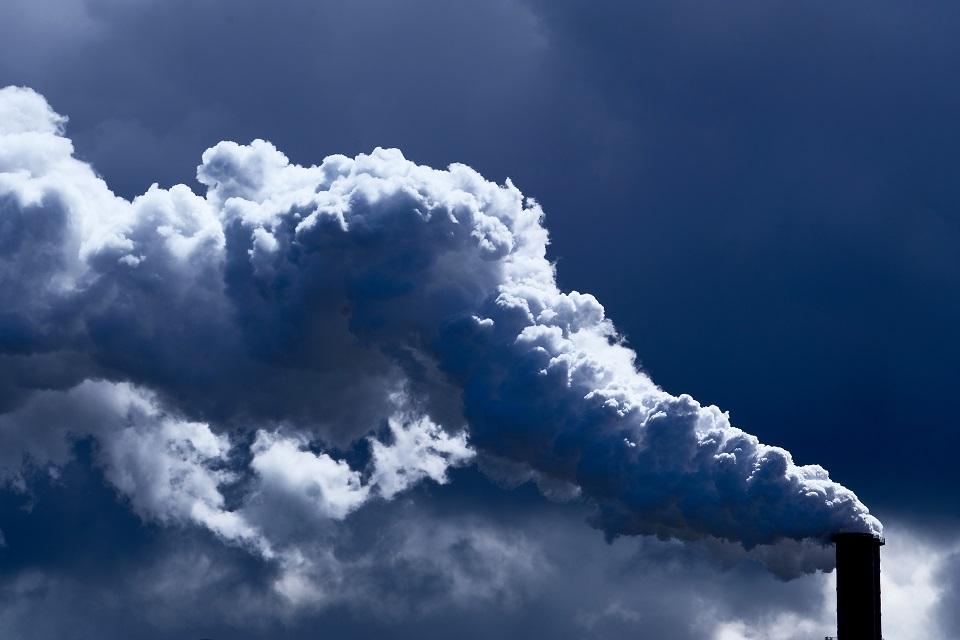
The Philippines is now looking into possibly lifting a ban on new coal-fired power plants, as the country—which remains under a national state of energy emergency—works to diversify its sources for stable and affordable electricity amid global uncertainties.
According to Department of Economy, Planning, and Development (DepDev) Secretary Arsenio Balisacan, the possible ban lift was suggested during discussions of the Unified Package for Livelihoods, Industry, Food, and Transport (UPLIFT).
“That’s floated as part of the discussions in the UPLIFT because you know, this Middle East conflict brought the realization that you have to diversify your sources of your energy, particularly reducing your dependence for imported fuel,” he said on Thursday.
“Generating more coal, that’s a short-term option. That is an option for now, while waiting, for example, for highly affordable batteries for solar panel generation. I think we should,” he added.
The UPLIFT strategy was adopted by the government after Marcos declared a state of national energy emergency in March.
It is a whole-of-government response to ensure energy supply stability, support key sectors such as transport, agriculture, and micro, small, and medium enterprises (MSMEs), and protect Filipinos amid global oil supply disruptions caused by the Middle East conflict.
Why was coal banned?
In 2020, the Department of Energy (DOE), led by then Secretary Alfonso Cusi, imposed a moratorium on endorsements for new coal power plants. This was backed by assessments that the country needed to shift to a more flexible power supply mix, and a push to cut carbon emissions.
In a succeeding clarification, the DOE noted that existing and operational facilities that have already made commitments for expansion may still do so. It also noted that new capacity from on-grid coal-fired power plants may be allowed under “exceptional circumstances” such as a declared or imminent power crises.
Proponents could also apply for non-coverage if they are industrial parks intending to develop and use coal-fired power plants for their own operations, coal-fired power plants located in off-grid areas, or own-use projects that supply power for mining and processing of critical minerals needed for energy transition projects.
The DOE then also allowed 100% foreign ownership in geothermal exploration, development, and utilization projects that are deemed large-scale or those with an initial investment cost of about $50-million capitalization through financial and technical assistance agreements (FTAAs).
How dependent is the Philippines on coal?
Despite the moratorium, coal still makes up most of the country’s power supply and accounts for 63% of electricity generation, according the agency.
Latest data available from the DOE website show that the country’s coal consumption stood at 17.280 million metric tons (MT) in 2024, versus the 16.772 million MT produced. The country imported 39.872 million MT, and exported 8.402 million MT.
Why reconsider?
With the country now in a national energy emergency, and higher demand expected during the summer season, the country is in search of more sources of energy and to lessen dependence on imports.
“Many countries, even rich countries, even European countries, are also discussing those options so we should be open to possibilities, especially ones that will ensure that we have accessible and affordable fuel and electricity,” Balisacan said.
DOE Secretary Sharon Garin also said coal remains “one of the cheapest options” for power generation, and the agency is open to lifting the moratorium, provided that the technology is “cleaner” and that end-goal will still be to transition to more renewable options.
According to the International Energy Agency (IEA), newer coal plants are “cleaner” in the sense that they are more efficient and employ pollution-control systems that cut down sulfur dioxide, nitrogen oxides, and particulates.
Under the Philippine Energy Plan, the country targets to have renewable energy accounting for 30% of its share by 2030, and 50% by 2040. The administration aims to have some 200 new power plants in the country by the end of its term in 2028. — BM, GMA News

