

 GMA Brandtalk
 Tracking
 Archives

EU must reform, consolidate, use joint debt to cope with spending needs, IMF says
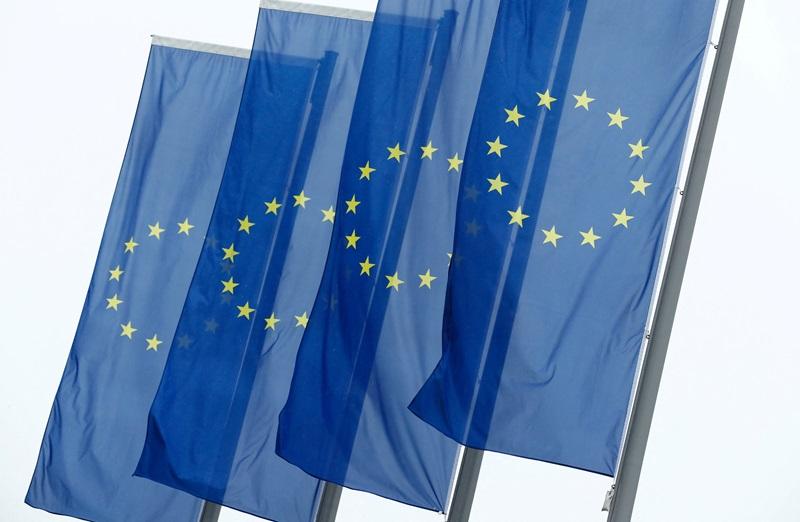
European Union countries will face large bills for defense, energy and pensions in the next 15 years, the International Monetary Fund told EU finance ministers on Saturday, suggesting a mix of reforms, consolidation and joint borrowing as a way to manage that.
"If left unchecked, public debt will be on an unsustainable path. Under unchanged policy, debt of the average European country would reach 130 percent of GDP by 2040 — roughly doubling from today," the IMF said in a paper used as a basis for the ministers' discussions at an informal meeting in Nicosia.
The paper said that to prevent such a scenario, EU countries must improve incentives for citizens to move around the 27-nation bloc to find work and for companies to hire them.
The EU should also integrate its energy markets, make it easier for citizens' savings to flow across the bloc into profitable investments and unify laws that now often differ from country to country.
Pension reforms and a higher retirement age would also help, as would government guarantees for riskier investments in low-carbon and climate-resilient projects that would help attract private capital to them.
Finally, governments should agree that innovation, energy and defense are European public goods and they should be paid for through joint borrowing.
Joint debt is a highly controversial issue in the EU, where some countries like Spain, Italy or France are in favor, but others, like Germany and several northern European countries, strongly oppose the idea.
"This is one of those areas where there are differences of opinion, but it's certainly one of the areas which we will be discussing in the coming months," the chairman of euro zone finance ministers Kyriakos Pierrakakis told Reuters.
The IMF said that even with reforms, most EU countries would still need fiscal consolidation to put debt on a declining path, though the more ambitious the reforms, the less consolidation would be needed.
It said that if governments did not act now, the problem would only get worse.
"The 'muddling-through' approach that many countries have adopted so far is reaching its limits, and a more strategic response seems essential to respond to rising spending pressures," the IMF said.
"Making changes in a piecemeal way, or tinkering at the margins, is likely to be inadequate," it said. — Reuters

