

 GMA Brandtalk
 Tracking
 Archives

Rotating brownouts loom over Visayas on evening of Thursday, May 28, 2026
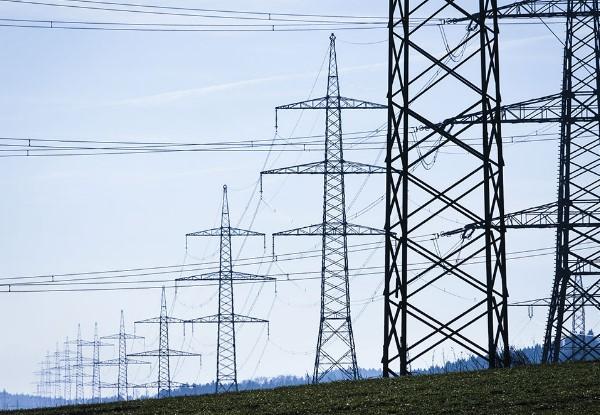
Electricity consumers in the Visayas should brace for a series of power interruptions to be implemented in the afternoon until the evening of Thursday, May 28, 2026 as it reels from thin power reserves due to forced outages and derated capacities of several plants.
In an advisory, the National Grid Corporation of the Philippines (NGCP) said it may implement manual load dropping (MLD) or rotational brownouts in the following areas from 3 p.m. to 9 p.m. “to maintain the integrity of the power system”:
- VECO
- MECO
- CEBECO I
- CEBECO II
- CEBECO III
- NEPC
- NOCECO
- NORECO I
- NORECO II
- NONECO
- MORE
- AKELCO
- ANTECO
- CAPELCO
- ILECO I
- ILECO II
- ILECO III
- GUIMELCO
- BLCI
- BOHECO I
- BOHECO II
“Aside from the unavailability of Visayas’ large coal plants TVI 1, TVI 2, and PEDC 3, the manual load dropping is being implemented to prevent the overloading of Daanbantayan-Tabango 230kV Line 2 due to unplanned outage of KSPC U2 and PGPP1 U1 for a total of 140MW,” the NGCP said.
“Schedule may be cancelled if system condition improves, such as if actual demand falls below projections. NGCP encourages everyone to exercise prudence in using electricity,” it added.
The grid operator placed the Visayas grid under yellow alert from 3 p.m. to 10 p.m as a total of 1,006.2 megawatts (MW) remains unavailable to the grid while it operates at 2,532 MW against a peak demand of 2,388 MW.
The NGCP said 13 plants are on forced outage since May 2026, one plant since March 2026, 3 plants since 2025, two plants since 2024, two plants since 2023, and one plant since 2021, while 14 plants are running on derated capacities.
It said the factors that contributed to the yellow alert declaration were the tripping of KSPC 2 and unavailability of Visayas’ large coal plants Therma Visayas Inc. (TVI) 1, TVI 2, and Panay Energy Development Corp. (PEDC) 3.
A yellow alert is issued when the operating margin is insufficient to meet the transmission grid’s contingency requirement.
While supply is still enough to meet current demand, it no longer reaches the required safety margin. At this level, the possibility of rotational power interruptions increases. — JMA, GMA News

