

 GMA Brandtalk
 Tracking
 Archives

Oil rises after Iran-US strikes, global stock index down after data
NEW YORK/ LONDON —MSCI's global equities index pared earlier losses on Wednesday after economic data showed US inflation was high but in line with expectations and oil prices rose as Iran and the United States exchanged strikes.
The dollar and US Treasury yields were lower as US consumer inflation rose at its fastest pace since April 2023. The Labor Department's Bureau of Labor Statistics reported a 4.2% increase in the Consumer Price Index in the 12 months through May.
Traders maintained bets that the Federal Reserve would hold rates steady after its June 17 meeting and priced in a nearly 43% probability of a 25-basis-point hike versus a 32% chance rates would stay unchanged by December, according to CME Group's FedWatch tool.
Steve Kolano, chief investment officer at Integrated Partners, said that the report "doesn’t do anything to reduce the probability of a possible rate hike at some point this year" with energy prices high and the Iran conflict still unresolved.
Oil prices rise again
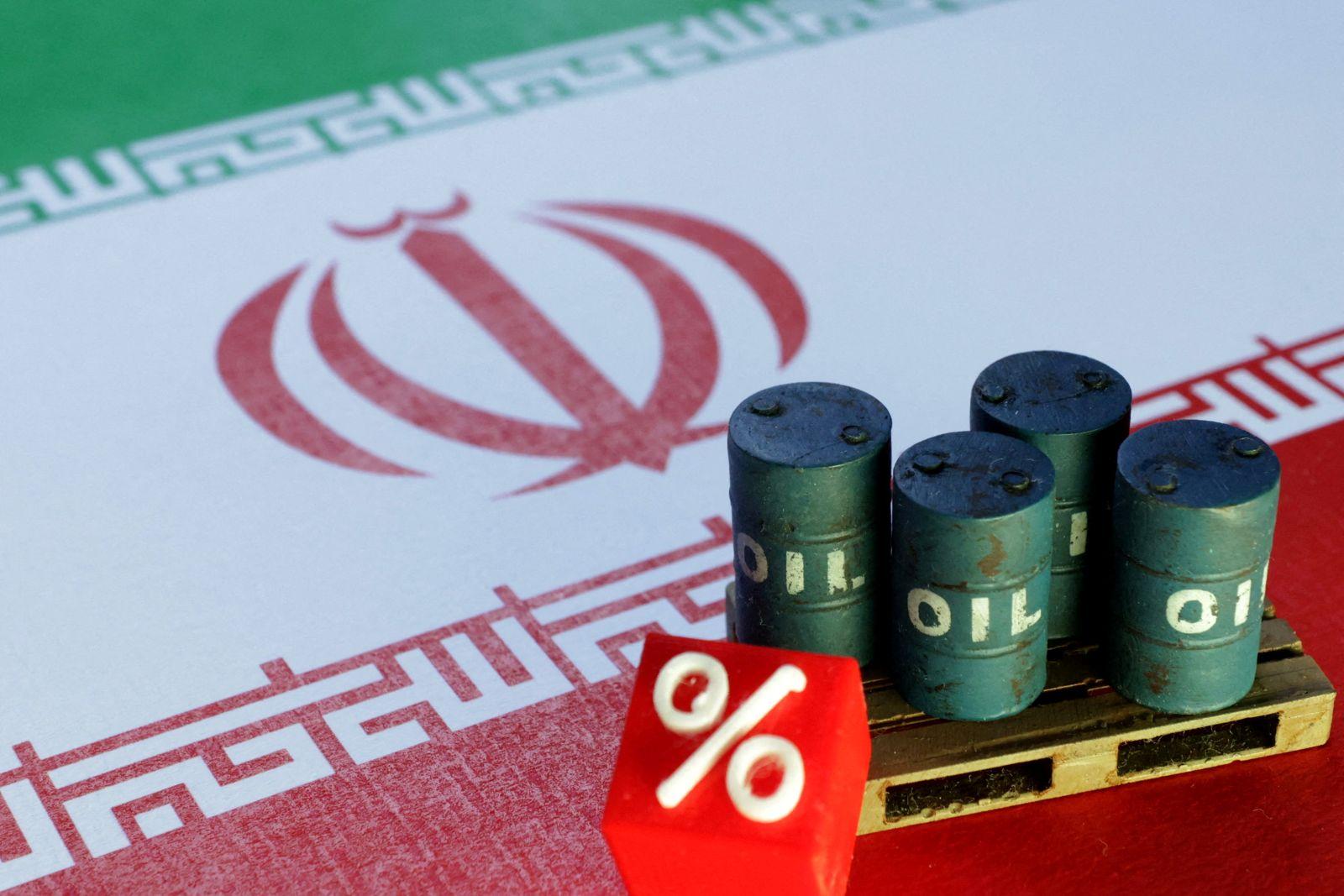
Oil prices rose again after US President Donald Trump wrote in a social media post that Iran would "pay the price" after taking too long to negotiate and Tehran said it would reassess its diplomatic engagement with Washington after overnight tit-for-tat strikes.
Iran's Revolutionary Guards said they had carried out missile and drone attacks on US military bases in Jordan, Kuwait and Bahrain in retaliation for American strikes on Iranian targets around the Strait of Hormuz, an energy conduit where oil transportation has been disrupted since the war began in late February.
The clashes marked one of the biggest outbreaks of hostilities since the two countries agreed to a ceasefire in April.
In energy markets, US crude rose 1.63% to $89.64 a barrel and Brent rose to $92.65 per barrel, up 1.31% on the day.
High oil prices are one of the prime drivers of inflation.
"Just because the inflation numbers came in consistent with expectations doesn’t mean they were good," said Brian Jacobsen, chief economic strategist at Annex Wealth Management.
"The clock is ticking loudly to get the Strait of Hormuz open, either through force or through a truce. The Fed isn’t going to try to guess when that will happen, so President Trump needs to deliver them certainty before they meet."
Mixed performance on Wall Street
On Wall Street at 10:27 a.m. ET (1427 GMT), the Dow Jones Industrial Average fell 187.91 points, or 0.37%, to 50,684.20, the S&P 500 rose 2.58 points, or 0.03%, to 7,389.23 and the Nasdaq Composite rose 5.46 points, or 0.04%, to 25,689.59.
MSCI's gauge of stocks across the globe fell 3.88 points, or 0.35%, to 1,099.54.
The pan-European STOXX 600 index rose 0.2% after clawing its way back from earlier losses.
Overnight, MSCI's broadest index of Asia-Pacific shares outside Japan fell 2.3%. The tech-heavy South Korean KOSPI lost 4.5% as AI stocks came under pressure.
The CBOE volatility index, sometimes referred to as Wall Street's fear gauge, rose slightly on Wednesday to 20.43 but stayed below its Tuesday intraday peak, which was its highest level since April 7.
In currencies, the dollar index, which measures the dollar against a basket of currencies including the yen and the euro, fell 0.18% to 99.83, with the euro up 0.13% at $1.1558.
Against the Japanese yen, the dollar strengthened 0.02% to 160.39, staying near the 160-level widely seen as the trigger for potential official intervention. Japan's wholesale inflation accelerated in May at the fastest pace in three years as price pressures from the war broadened, data showed on Wednesday, adding to the case for further interest rate hikes by the Bank of Japan.
In government bonds, the yield on benchmark US 10-year notes fell 0.7 basis points to 4.521%, from 4.528% late on Tuesday while the 30-year bond yield fell 0.9 basis points to 5.0018%.
The 2-year note yield, which typically moves in step with interest rate expectations for the Federal Reserve, fell 0.8 basis points to 4.116%, from 4.124% late on Tuesday.
Among precious metals, gold trading was choppy after the inflation data. Spot gold fell 2.26% to $4,166.09 an ounce. Spot silver fell 0.19% to $65.23 an ounce but US silver futures fell 2.07% to $63.75 an ounce. — Reuters

