

 GMA Brandtalk
 Tracking
 Archives

Inflation eases further to 6.4% in June 2026
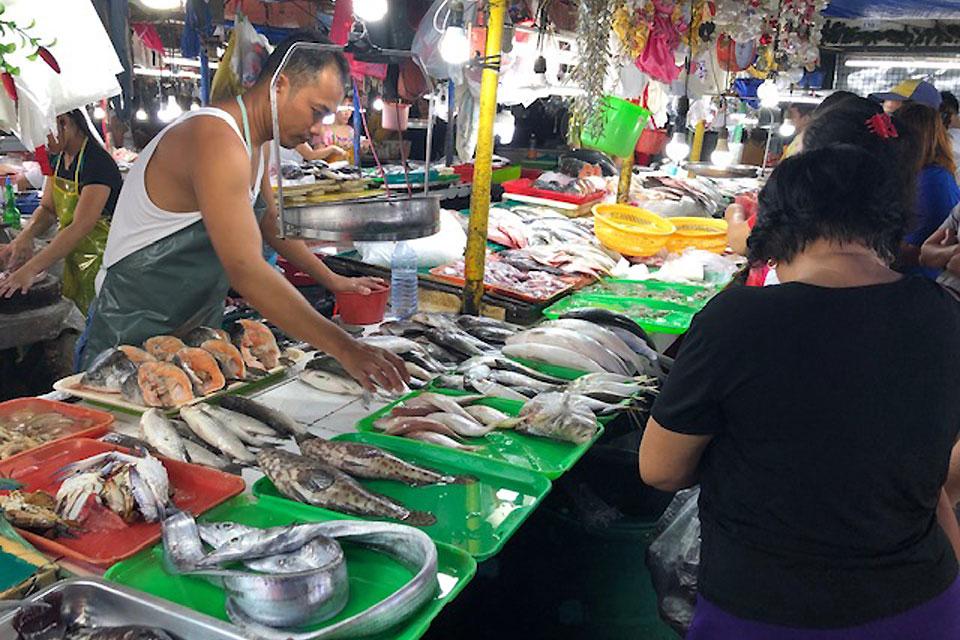
The country’s inflation rate slowed down further for the second straight month in June 2026 due to easing fuel prices as tensions in the Middle East wane.
At a press briefing, National Statistician and Philippine Statistics Authority (PSA) chief Claire Dennis Mapa said inflation — the rate of increase in the prices of goods and services — slowed down 6.4% last month from 6.8% in May 2026.
June’s inflation print brought the year-to-date rate to 4.8%, still above the government’s comfortable ceiling of 2% to 4%.
“Ang pangunahing dahilan ng mas mababang antas ng inflation nitong Hunyo 2026 kumpara noong Mayo 2026 ay ang mas mabagal na pagtaas ng presyo ng Transport na may 12.8% inflation rate,” Mapa said.
(The main contributor to the lower inflation in June 2026 compare to May 2026 was the slower increase in Transport with a 12.8% inflation rate.)
Month-on-month, the Transport index eased from 16.2% in May.
The slowdown seen in Transport index was due to the tempering of gasoline and diesel costs at 39.2% from 51.6% and 39% from 58.5%, respectively.
Also contributing to the downtrend was the slower growth in Food and Non-Alcoholic Beverages index at 5.2% from 5.7% as prices of meat, cereals, and fish declined to -4.1% from -2.5%, 12.1% from 12.6%, and 7.8% from 8.8%, respectively.
In a separate statement, the Department of Economy, Planning, and Development (DEPDev) attributed the slower inflation in June to easing oil price pressures and continued government measures to strengthen food supply helped temper price increases.
“Every percentage point drop in inflation matters to Filipino families,” said DEPDev Secretary Arsenio Balisacan.
“It means household budgets can go further, especially for poor families who spend a large share of their income on food and transportation,” added the DEPDev chief.
Balisacan said that the easing inflation pressures reflect both improving global conditions and the impact of coordinated government measures, such as targeted assistance for farmers, fisherfolk, and transport service providers, as well as lifting of toll fees for vehicles transporting agricultural produce.
“If we want stable prices, we need a stable food supply,” the government’s chief economist said.
“Reducing losses from weather disturbances and other supply disruptions remains one of the most effective ways to protect both consumers and producers from future price shocks,” he said.
The DEPDev chief said the government is implementing the El Niño Food Security Action Plan, with a total of P26.13 billion allocated to strengthening the country’s preparedness to weather disturbances, ensuring adequate food supply, minimizing income losses among affected farmers and fisherfolk, and expanding consumer access to affordable food.
Moreover, the Philippine and Japanese governments are advancing plans to establish a national strategic petroleum reserve to provide a buffer against geopolitical disruptions and extreme price volatility.
“Our goal is not only to bring inflation down but to keep it low and stable. That requires stronger food production, more efficient supply chains, and greater resilience to climate and other shocks,” Balisacan said.
“By strengthening these foundations, we can help Filipino families plan, save, and prosper with greater confidence,” he added. —AOL, GMA News

