

 GMA Brandtalk
 Tracking
 Archives

Peso seen to hit new record-low vs dollar at P63:$1 in coming months
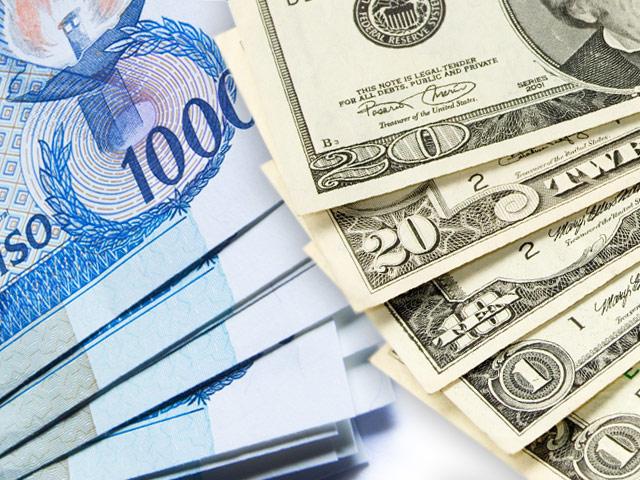
The Philippine peso is expected to trade as high as P63:$1 in the coming months following the renewed escalation of the conflict in the Middle East and the anticipated seasonal boost in import demand, Fitch Solutions unit BMI said in a report Friday.
In a commentary, BMI said the peso is expected to remain “under pressure” in the coming months and trade within the P61-P63:$1 range, and end the year at P61:$1 as global oil prices ease and remittance inflows grow.
“A renewed escalation in the US-Iran conflict, US dollar firmness and seasonal peak in import demand will weigh on the peso in the near term,” the commentary read.
The peso closed Thursday, July 16, at P61.62:$1. It closed at a record-low P61.75:$1 on May 18, 2026.
According to BMI, the higher global energy prices have increased the pressure on the peso as the Philippines — which earlier declared a state of national energy emergency — is a net importer of fuel.
“Renewed gains in global energy prices will further weigh on the peso by pushing up the import bill and widening the trade deficit. Recent data already reflect this impact,” BMI said.
The United States has carried out strikes against Iran and reimposed a naval blockade to prevent ships from sailing to or from the country’s ports, as tensions between the two countries have reescalated.
Global oil prices increased to four-week highs earlier this week — Brent crude to the highest since June 12, and the West Texas Intermediate (WTI) to the highest since June 16.
BMI also noted that weak foreign direct investment (FDI) inflows offer “little relief.” Net inflows stood at $250 million in April, the lowest in nearly 10 years since June 2016’s $244 million.
“Heightened geopolitical tensions and uncertainties surrounding global trade policy are likely to continue weighing on investment sentiment and deter investment inflows, limiting near-term upside for the peso,” BMI said.
BMI likewise noted that the dollar is well supported as financial markets continue to expect the Federal Reserve to rate hikes by another 25 basis points by the end of the year.
“Despite the bearish near-term outlook, we expect the peso to strengthen modestly by the end of 2026. Seasonal remittance inflows typically strengthen towards year-end, which will increase demand for the peso,” it said.
BMI said the peso weakness is expected to continue through 2027, as it revised its forecast for next year to P60:$1 from P58.50:$1 previously, citing the lack of drivers for a sustained peso appreciation.
“FDI inflows will probably remain subdued given persistent geopolitcal uncertainty, while higher effective US tariff rates on goods from the Philippines will likely weigh on export growth,” it said. — RSJ, GMA News

