

 GMA Brandtalk
 Tracking
 Archives

Supermarkets warn of price hikes amid rising fuel, wage, power costs
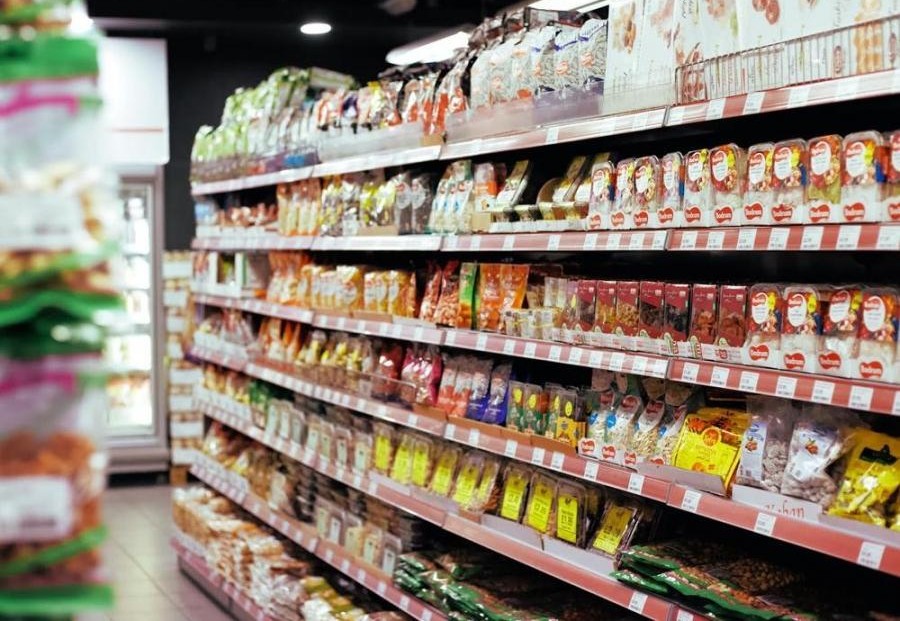
Consumers may soon face higher prices of goods as businesses grapple with rising fuel costs, an impending minimum wage increase, higher electricity rates, and a weaker peso, the head of a supermarket group said.
Interviewed on GMA’s Unang Balita on Friday, Philippine Amalgamated Supermarkets Association (PAGASA) President Steven Cua said retailers expect prices to rise as businesses absorb multiple cost pressures.
“Inaasahan natin, talagang tataas ang presyo ng mga bilihin. Hindi lang dahil sa oil price hike. Tandaan mo, there’s a minimum wage hike very soon, and then electric costs are going to go up also, and then dollar-exchange rate for the imported raw materials.
(We expect the prices of goods to increase. It’s not just because of the oil price hike. We also have a minimum wage hike coming soon, electricity costs are expected to rise, and the dollar exchange rate affects imported raw materials.)
"So, for sure, tataas ang presyo ng mga bilihin (So, prices of goods will certainly increase.),” Cua said.
Cua said fresh produce could be among the first products affected as higher fuel costs immediately drive up delivery expenses.
“Yung agad-agad siyempre… yung delivery ng mga fresh produce. Kasi mararamdaman kaagad ’yun,” he said.
(Fresh produce deliveries will be affected immediately because higher delivery costs are felt right away.)
He added that price increases for processed and manufactured food products could take several weeks as businesses adjust to higher operating costs.
According to Cua, many small and medium-sized enterprises are now focused on staying afloat.
“We’re not talking about how to make ends meet, but we’re talking about survival. Survival mode na talaga,” he said.
Asked how much overall business costs could increase, Cua estimated that they could rise by around 7% to 9.5%, depending on the type of business and its operating expenses.
“I’d say around 7, maybe even 9.5%,” he said.
Cua said supermarkets do not need government approval to adjust retail prices, adding that businesses may have no choice but to pass on higher costs to consumers.
“Well, supermarkets will have no need to ask for price increase… we’ll have to increase without asking any permission,” he said.
Cua also warned that the combination of rising labor and operating costs could force some smaller businesses to shut down.
“It’s a done deal na talagang kailangan magtaas na ng salaries… Ito pa dadagdagan mo pa ulit, talagang suntok na, kumbaga one-two punch na, so medyo mabigat na," he said.
(The salary increase is already a done deal. On top of that, these additional cost increases are like a one-two punch, making the burden even heavier.)
"And then January, another increase… I’m afraid it will lead to the closing of the smaller enterprises, or businesses, not just supermarkets,” he added.
The Department of Trade and Industry earlier said it had yet to receive requests from manufacturers for price adjustments despite the looming oil price hike.— MCG, GMA News

