

 GMA Brandtalk
 Tracking
 Archives

Over 500 cases filed against scammers; BSP warns banks may have to reimburse victims
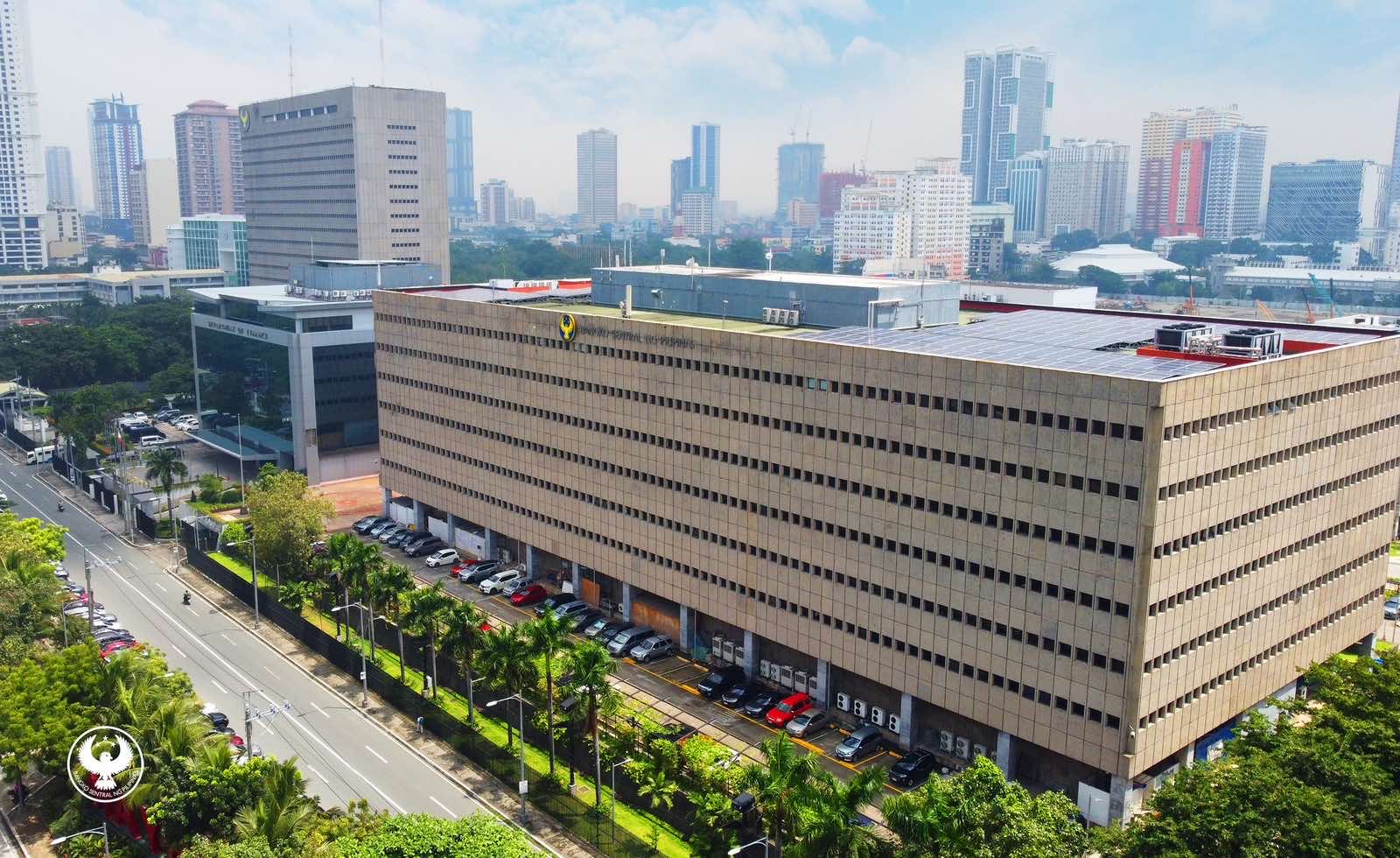
More than 500 cases have already been filed against scammers and fraudsters under the Anti-Financial Account Scamming Act (AFASA), the Bangko Sentral ng Pilipinas (BSP) said, warning that banks failing to comply with the law’s anti-fraud requirements may be ordered to reimburse customers for scam-related losses.
According to BSP general counsel Roberto Figueroa, the central bank has been coordinating with law enforcement agencies such as the Philippine National Police (PNP), which has already filed over 500 AFASA cases.
“They have charged people with violations, potential violations of AFASA and we at the BSP, specifically CAPO, we’ve been working with PNP and also as subject matter experts,” he told reporters in an interview in Manila City.
“The filing of cases, that’s more on the prosecuting the fraudsters, the scammers, the people violating AFASA,” he added.
Figueroa was referring the BSP’s Consumer Account Protection Office (CAPO), authorized by AFASA to look into financial accounts suspected of being involved in scams and fraudulent activities. He did not elaborate on the estimated value of the scams involved in the cases.
AFASA, signed into law in July 2024, aims to strengthen the government’s response to online scams and other cyber-enabled financial crimes.
Under the law, financial institutions were required to boost their fraud management systems (FMS) and limit their use of interceptable authentication mechanisms by June 25, 2026.
The measure requires BSP-supervised financial institutions (BSIs) to have their FMS cater to behavioral anomaly detection, blacklist screening, geolocation monitoring, mobile device and account information changes, in a bid to prevent unauthorized transactions.
“Of course the expectation is all of you have already complied. If, let’s say a depositor or a client of a bank gets victimized and the reason for that is because of their failure to comply with the requirements of AFASA, then the bank will suffer the consequence of that noncompliance,” Figueroa said.
“That could include full restitution, meaning whatever is the money lost, the amount lost by the victim, by the depositor, that even if the bank is not the scammer, the bank will now be ordered to pay the depositor or the customer the amount that was lost,” he added.
For BSIs that fail to comply, Figueroa said this will be taken into consideration by the Financial Supervision Sector whether their license will be affected or not.
“With the deadline having passed, that means the victims of the scam or the fraud can now use all these provisions of AFASA against the bank, right. The bank can no longer claim that that’s the fault of the client. You are expected to have these requirements,” he said. — RSJ, GMA News

