

 GMA Brandtalk
 Tracking
 Archives

US slaps fresh 12.5% tariff on PH goods over failure to curb forced labor imports
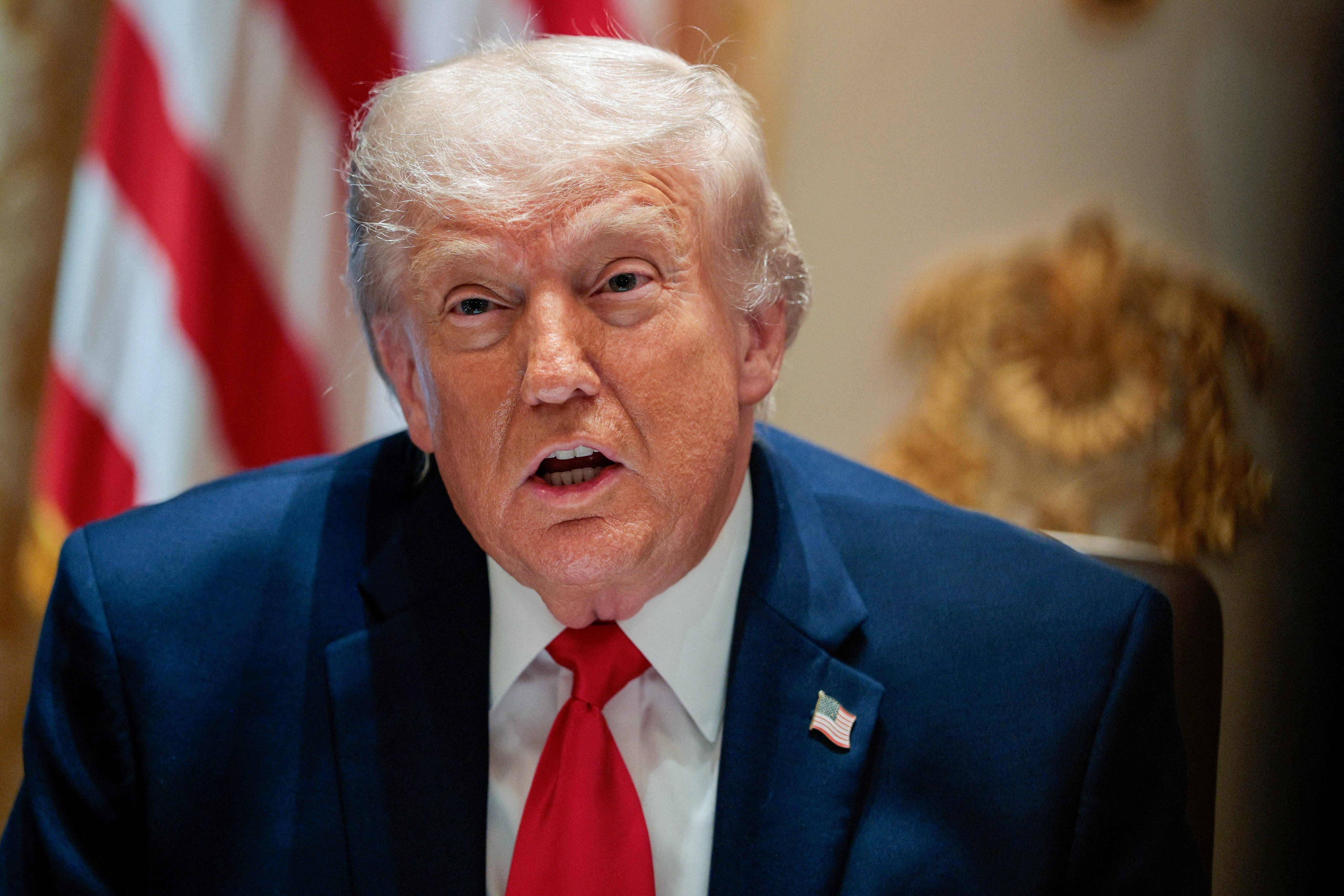
The United States is imposing a new 12.5% tariff on Philippine goods entering America due to the country’s failure to curb the importation of goods produced with forced labor.
The decision was announced Friday (Manila time) by the Office of the United States Trade Representative (USTR) after a months-long investigation across 60 economies under Section 301 of the US Trade Act of 1974, “whether any of the economies subject to these investigations fail to prohibit or to effectively enforce a prohibition on the importation of goods produced wholly or in part with forced labor.”
“Based on the findings in the investigation of the Philippines, considering the public comments, testimony, and the advice of the Section 301 Committee, as well as the advice of advisory committees, and in accordance with the specific direction of the President, the Trade Representative has determined to impose 12.5% tariffs on products of the Philippines,” the USTR said in a notice.
Sought for comment, Trade Secretary Cristina Roque told GMA News Online the “Philippines takes note of the recent imposition of the US of unilateral tariffs against 54 countries including the Philippines.”
“We note that this is based on the alleged failure to impose and effectively enforce the prohibition of imports made by forced labor,” Roque said.
The Trade chief, nonetheless, noted that the country will continue to engage with the US to emphasize that the country has a strong policy against forced labor consistent with various International Labor Organization (ILO) Conventions.
“In fact, just yesterday we signed a Joint Administrative Order with DOF (Department of Finance) and DOLE (Department of Labor and Employment) to provide institutional mechanism to address the issue of forced labor,” Roque said.
“In the meantime, we will continue to value our strategic relationship with the US, especially in ensuring that our trade remains intact, resilient, and stable. This is especially true since Philippine exports to the United States, particularly in electronics, semiconductors, and key agricultural products, support U.S. supply chain stability,” she added.
The USTR is also imposing a 10% tariff on Argentina, Bangladesh, Cambodia, Canada, Ecuador, El Salvador, Guatemala, Honduras, India, Indonesia, Jordan, Malaysia, Mexico, Pakistan, Sri Lanka, Trinidad and Tobago, and the United Kingdom.
Moreover, America is slapping either a 10% or 12.5% tariff, net of the Most-Favored-Nation (MFN) rate, for certain products from the European Union, Taiwan, Japan, Korea, and Switzerland.
For all other investigated economies, the USTR said, “12.5% is the appropriate rate.”
“The United States has had a forced labor import ban for nearly a century, and rigorously enforces it; it’s well past time for our trading partners to do the same,” USTR Ambassador Jamieson Greer said in a statement.
“Today’s action will begin to correct what is both a human rights abuse and distortive trade practice to improve the welfare of workers everywhere,” Greer said.
Since February, Philippine goods entering the US were subject to a 10% baseline tariff after the US Supreme Court declared US President Donald Trump’s reciprocal tariff policy as unconstitutional.
The 10% baseline tariff expired Friday, July 24, allowing the US government to impose fresh duties following its investigation into trading-partner countries’ forced labor imports.
Data from the USTR showed US goods trade with the Philippines totaled an estimated $26.9 billion in 2025.
US goods exports to the Philippines last year stood at $9.1 billion, down 1.1% year-on-year, while its goods imports from the Philippines amounted $17.8 billion, up 25.4%.
The US goods trade deficit with the Philippines was $8.6 billion in 2025, a 75.3% increase, according to USTR. —AOL, GMA News

