

 GMA Brandtalk
 Tracking
 Archives

Up to 10% savings in electric bill expected if system loss charges scrapped —DOE
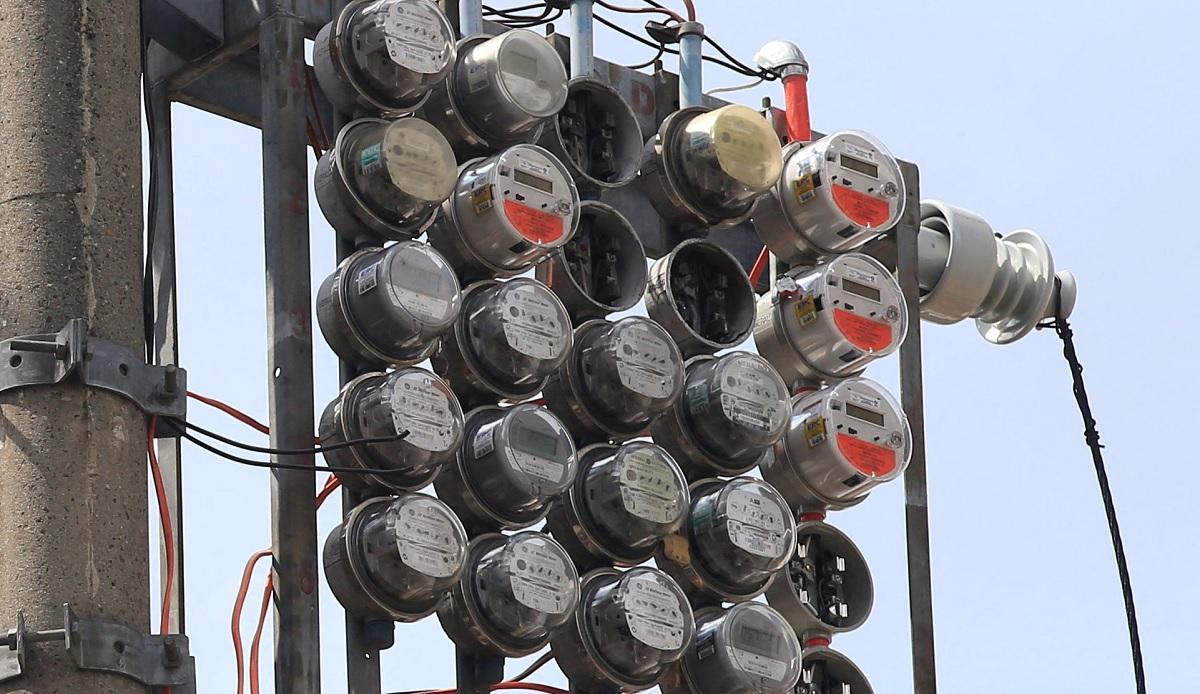
Households may see up to 10% savings on their electric bills once the government scraps system loss charges imposed by electric firms, the Department of Energy (DOE) said on Tuesday.
"It may result to about 5 to 10% kasi mayroon po tayong mga distribution utility na ang kanilang system losses ay can go as high as 16%. So, nakikita po natin immediate niyan is safe tayo sa 5% pero it can go as high as 10% per kilowatt hour," said DOE Undersecretary Mario Marasigan in a virtual presser.
(It may result to about 5 to 10% because we have some distribution utilities whose system losses can go as high as 16%. So we see the immediate effect is that we save at least 5% but it can go as high as 10% per kilowatt hour.)
During his fifth State of the Nation Address on Monday, President Ferdinand “Bongbong” Marcos Jr. called on both chambers of Congress to amend the Electric Power Industry Reform Act (EPIRA) to put a stop to system loss charges, including an accompanying value-added tax (VAT), from being passed on to consumers.
Current laws such as the EPIRA and Republic Act No. 7832 or the Anti-Pilferage of Electricity and Theft of Electric Transmission Lines/Materials Act allow distribution utilities to recover a portion of system loss from end-consumers through system loss charge reflected in monthly electricity bills.
"Kasi dapat naman yung mga pilferage, the system loss, dapat hindi bayaran ng ibang nagbabayad...Kasi ang inefficiency ng isang electric coop o distribution utility, dapat hindi po nako-compensate ng mga taong nagbabayad ng electricity," said DOE Secretary Sharon Garin during the presser.
(Because pilferage and system losses shouldn't be paid for by other paying consumers... Because the inefficiency of an electric cooperative or distribution utility should not be compensated for by the people paying for electricity.)
The DOE said that it is already working with the Energy Regulatory Commission (ERC) and the National Electrification Administration (NEA) on how to implement the president's directive.
However, the department admitted that the implementation may take at least a year.
"I would say before the next SONA, one year. Hindi ganun kadali lang. We can issue policies but the implementation side of the electric coop, they have to purchase some new equipment. It will take time talaga," said Garin.
(I would say before the next SONA, one year. It's not that simple or easy. We can issue policies but the implementation side of the electric coop, they have to purchase some new equipment. It really will take time.)
Manila Electric Company (Meralco), on the other hand, earlier said that it would want to talk with Marcos as the scrapping of the system loss charges may impact power distribution utilities’ operational and financial health. —VAL, GMA News

