

 GMA Brandtalk
 Tracking
 Archives

House bill seeks open finance data-sharing to ease Filipinos' access to credit
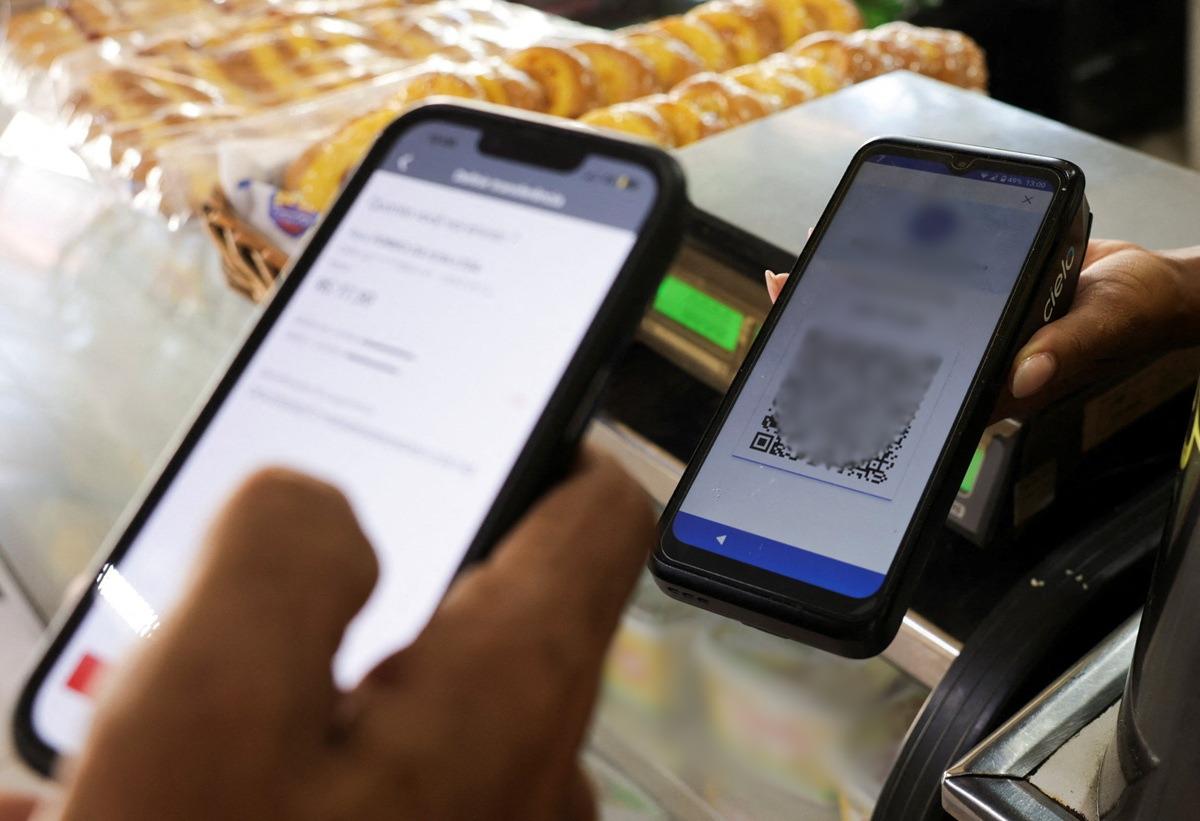
A bill filed in the lower chamber is seeking the establishment of the Philippines' first comprehensive legal framework for consumer-directed financial data sharing, which would make everyday digital transactions already proof of creditworthiness, thereby easing access to financial services.
"The digital economy has outpaced our regulatory infrastructure. Filipinos are generating rich financial data every day through their phones, their e-wallets, and their utility payments. We aim to leverage that data to democratize access to financial tools and services that have long been unavailable for millions,” Tingog Party-list Representative Jude Acidre said in a statement on Tuesday.
Acidre is among the co-authors of House Bill No. 9149, or the Open Finance and Consumer Data Empowerment Act of 2025.
HB 9149 seeks to bridge the gap between how Filipinos actually participate in the digital economy and how formal financial institutions score their credit.
The proposed measure, once passed, will allow consumers the legal right to authorize the transfer of their financial and transactional data, including alternative data sources such as bill payments, subscription activity, and rewards card usage, among others, covering up to 24 months, to accredited lenders and financial service providers for credit evaluation purposes.
The bill further proposes that a consumer’s transaction history could be provided to accredited lenders as basis for credit assessment, allowing them to utilize alternative data to get a full picture of an individual’ creditworthiness.
For his part, Todd Schweitzer, a board of trustee at the Fintech Alliance Philippines, is supporting the passage of the bill, noting that open finance will help expand financial inclusion while improving existing financial services.
"Open Finance legislation matters because it accomplishes two things at once: it directly expands financial access for consumers, and it opens new markets for industry to competitively serve customers the system has ignored,” said Schweitzer.
Schweitzer, however, lamented that while digital payments accounted for 57.4% of all retail payment transactions in the Philippines and an estimated 58 million use e-wallets, many Filipinos are still unbanked.
“Filipinos are digital natives, though, and have rich data sources beyond banking data to
demonstrate their creditworthiness. What's been missing is the legal right to put that data to work, and the mandate for data-holding institutions to provide that data upon the consumer’s request. This bill arrives at the right moment: the digital rails and data privacy standards are in place, demand is clear, and this bill would establish a pioneering framework to unlock a more consumer-centric financial services industry,” added Schweitzer
The bill also proposes the creation of the Consumer Data Commission (CDC) under the Office of the President with jurisdiction covering not just banks and financial institutions but also telecommunications firms, utilities, and any entity that collects and holds consumer data.
The commission would be chaired by a Securities and Exchange Commission (SEC) commissioner and co-led by at least a deputy governor of the Bangko Sentral ng Pilipinas (BSP), with members drawn from the National Privacy Commission (NPC), the National Telecommunications Commission (NTC), and the Philippine Competition Commission (PCC), alongside four private-sector representatives with expertise in banking, data protection, or financial technology.
The commission would cover setting technical and security standards for data transfers, accrediting entities authorized to receive consumer data, conducting compliance audits, and enforcing sanctions against violators.
The commission would also submit an annual report to Congress on the state of consumer data rights and open finance implementation, and conduct a comprehensive review of the law every two years. — BM, GMA News

