

 GMA Brandtalk
 Tracking
 Archives

Palay production up in Q2 2026
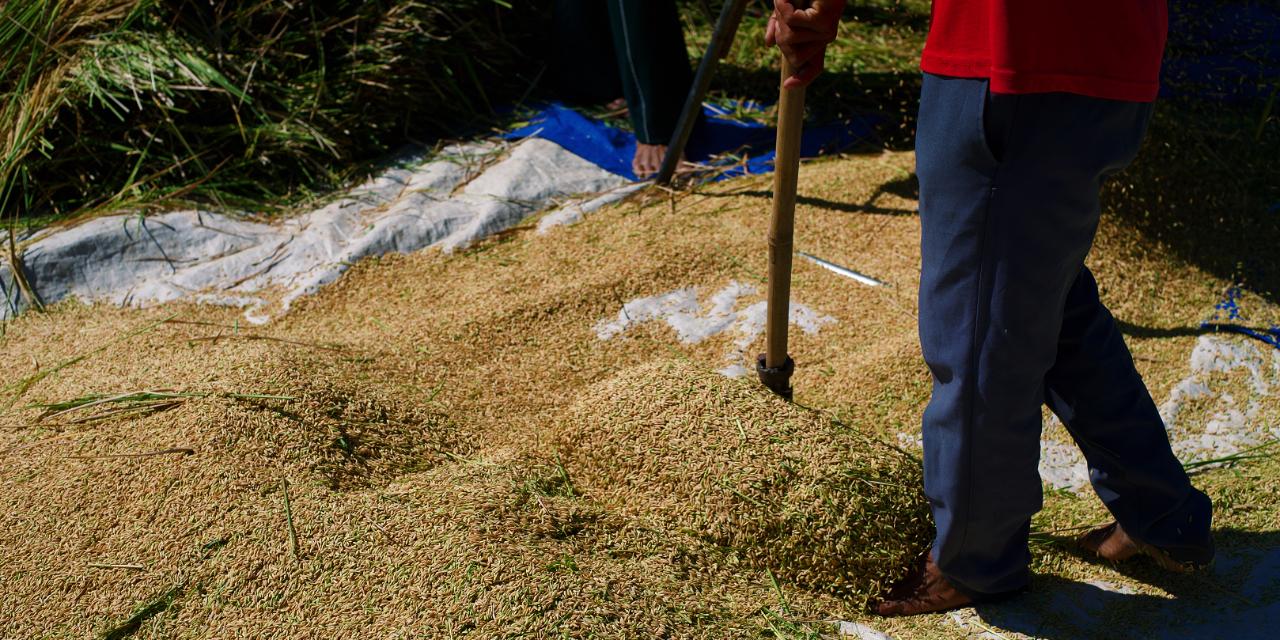
Palay or unmilled rice production in the second quarter of 2026 has risen year-on-year, latest data from the Philippine Statistics Authority (PSA) showed.
The production volume of palay stood at 4,628,990.71 metric tons from April to June of 2026. This is higher than 4,378,382.11 metric tons recorded in the same period last year.
The latest figure is also higher than the 4,395,287.06 metric tons recorded in the first quarter of this year.
The Department of Agriculture (DA) said the increase in palay harvest is due to recent favorable conditions.
DA spokesperson Arnel de Mesa said the restoration of 30,000 hectares of the Upper Pampanga River Irrigation System (UPRIS) has contributed to the positive figure in production volume of palay for the second quarter.
“Fourth and first quarter, nasira dun sa UPRIS, yung Upper Pampanga River Irrigation System. So, nabalik na uli ‘yan, recovered na. So, medyo malaki yan, 30,000 hectares,” he told reporters.
(During the fourth quarter of last year and the first quarter this year, the UPRIS was damaged, the Upper Pampanga River Irrigation System. So, that has been brought back again, it has recovered. So, that's quite large, 30,000 hectares.)
Portions of UPRIS, which serves the province of Nueva Ecija and parts of Pampanga, Tarlac, and Bulacan, was damaged by illegal quarrying activities late last year.
Further, the DA official said that farmers are motivated to plant because of the strong palay prices recently.
“Tapos, pangalawa, yung intention kasi ng mga farmers, coming from a very strong palay prices during the dry season harvest, nagpapatuloy, nag-encourage sa kanila na magtanim talaga itong season na ito,” he added.
(And second, because of the intention of the farmers, coming from very strong palay prices during the dry season harvest, it continued, it encouraged them to really plant this season.)
The DA earlier directed the National Food Authority to set the minimum buying price for wet palay at P21 per kilo to help address the higher cost of fertilizer and other inputs, beginning the upcoming harvest season in September. —VAL, GMA News

