

 GMA Brandtalk
 Tracking
 Archives

Corruption, Middle East conflict slowed PH economic growth, says World Bank
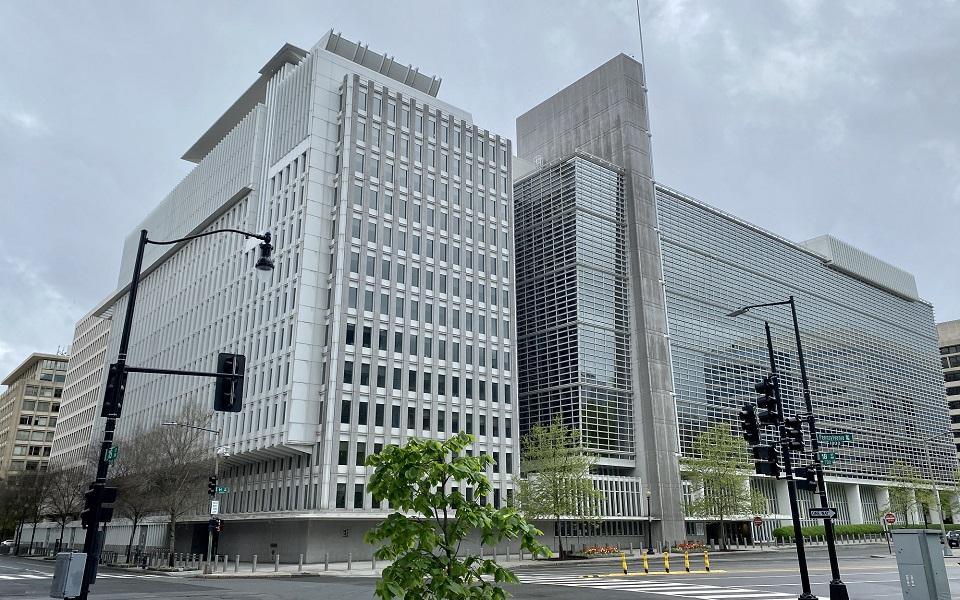
Corruption and fuel price increases as a result of the Middle East conflict are two major issues that continue to undermine the Philippines' economic growth, the Washington-based World Bank said in its mid-year 2026 economic update.
In its Philippine Economic Update, the World Bank said that the country’s gross domestic product (GDP) is expected to slow down to 3.7% in 2026, from 4.4% in 2025—which in itself was already downturn after the flood control projects controversy erupted last year.
After the slower 4.4% growth in 2025, the World Bank said, "real GDP growth fell further to 2.8% in Q1 2026.”
The multilateral lender said two factors drove the deterioration in the first quarter: the continuing fallout from the flood control controversy; and the surge in fuel prices brought on by the closure of the Strait of Hormuz amid the US-Israel-Iran war.
Corruption
“Allegations of corruption led to increased scrutiny and audits of infrastructure projects from mid-2025, slowing public investment,” the World Bank said. “This contributed to lower investment overall as private investors navigated growing global and domestic policy uncertainty.”
Infrastructure projects—mainly the government's flood control projects—came into focus last year, when President Ferdinand "Bongbong" Marcos Jr. said in his State of the Nation Address that government officials and private contractors conspired to defraud Filipinos of more than a trillion pesos in flood control funds and life-saving infrastructure, including dikes, revetments, dams, and spillways.
"Shame on you," he said.
Weeks later, Marcos revealed a list of 15 contractors who had cornered a substantial portion of the flood control projects, many of which have come under closer scrutiny in congressional investigations.
The controversy has cast a pall on investment interest in the country, with Fitch Solutions predicting that the fallout would continue to "dampen" foreign investments will continue in 2026.
The economy would have also fared better in 2025 if the flood control controversy had not resulted in infrastructure projects' being put on hold, Department of Economy, Planning and Development (DEPDev) Secretary Arsenio Balisacan said earlier this year.
Restoring public trust and strengthening institutional credibility remain among the Marcos administration’s highest priorities, he also said.
“Addressing corruption firmly and transparently is essential to rebuilding confidence among businesses, investors, and consumers alike. At the same time, we are pursuing reforms that will improve transparency, accountability, and efficiency in government processes,” the DEPDev chief said.
GMA News Online has sought comment from the Palace on the World Bank's findings.
Middle East conflict
The World Bank said the current conflict in the Middle East also produced a negative terms-of-trade shock, with a surge in energy prices from late February 2026, raising business costs and reducing household purchasing power.
"The global energy shock constitutes a negative supply shock for the Philippines: it raises prices while
further compressing output," the World Bank said. "With the supply shock larger in magnitude, the net result is rising inflation alongside a widening output gap in the short term." — with Jean Mangaluz/BM, GMA News

