

 GMA Brandtalk
 Tracking
 Archives

PH foreign reserves down to $103.4B in July — BSP data
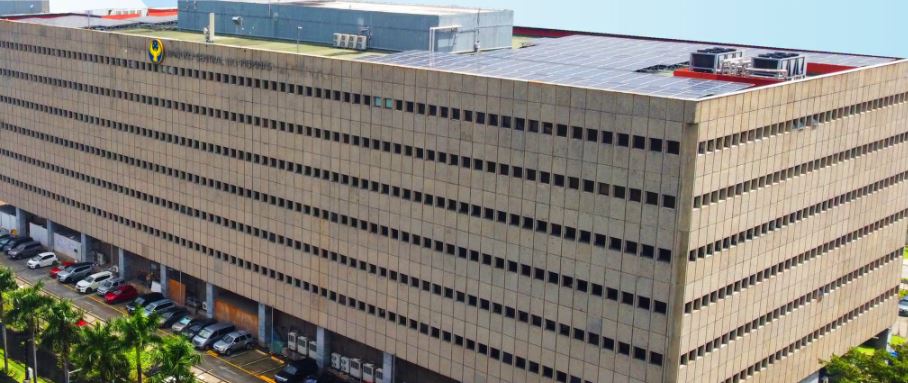
The Philippines’ gross international reserves (GIR) declined in July due to the central bank’s foreign exchange operations to stabilize the peso and the national government’s foreign currency withdrawals to settle external debt.
Data released by the Bangko Sentral ng Pilipinas (BSP), on Friday, showed the GIR — a measure of the ability to settle import payments and service foreign debt — stood at $103.378 billion last month.
This is lower than the $104.744 billion in June and $105.418 billion in July last year.
GIRs are eligible foreign assets, including securities, currency and deposits, reserve position in the fund, gold, special drawing rights, and other reserve assets, held by the central bank .
“These provide sufficient foreign currency to meet the country’s import needs, service its external debt obligations, and serve as a buffer against external economic shocks,” the BSP said.
The central bank said the decrease in reserves was mainly driven by the BSP’s net foreign exchange operations, the national government’s drawdowns on its foreign currency deposits with the BSP for external debt service, and the national government’s net foreign currency withdrawals from its deposits with the BSP.
The GIR decline was partly offset by “upward valuation adjustments in the BSP’s gold holdings due to the increase in the price of gold in the international market, and the BSP’s net income from its investments abroad.”
The latest foreign reserves level are estimated to cover up to 6.7 months' worth of imports of goods and payments of services and primary income and can also cover about 3.6 times the country's short-term external debt based on residual maturity.
Short‑term debt based on residual maturity refers to the sum of outstanding external debt with original maturity of one year or less, and principal payments on medium‑ and long‑term loans of the public and private sectors falling due within the next 12 months.
By convention, GIR is considered adequate if it can finance at least three-months’ worth of the country’s imports of goods and payments of services and primary income.
The GIR level is deemed adequate if, as of a given period, it is at least equal to 100% of a country’s total short-term external debt—public and private—falling due within the next 12 months. — RSJ, GMA News

