

 GMA Brandtalk
 Tracking
 Archives

BCDA to ensure Pax Silica deal to be 'most beneficial' for PH
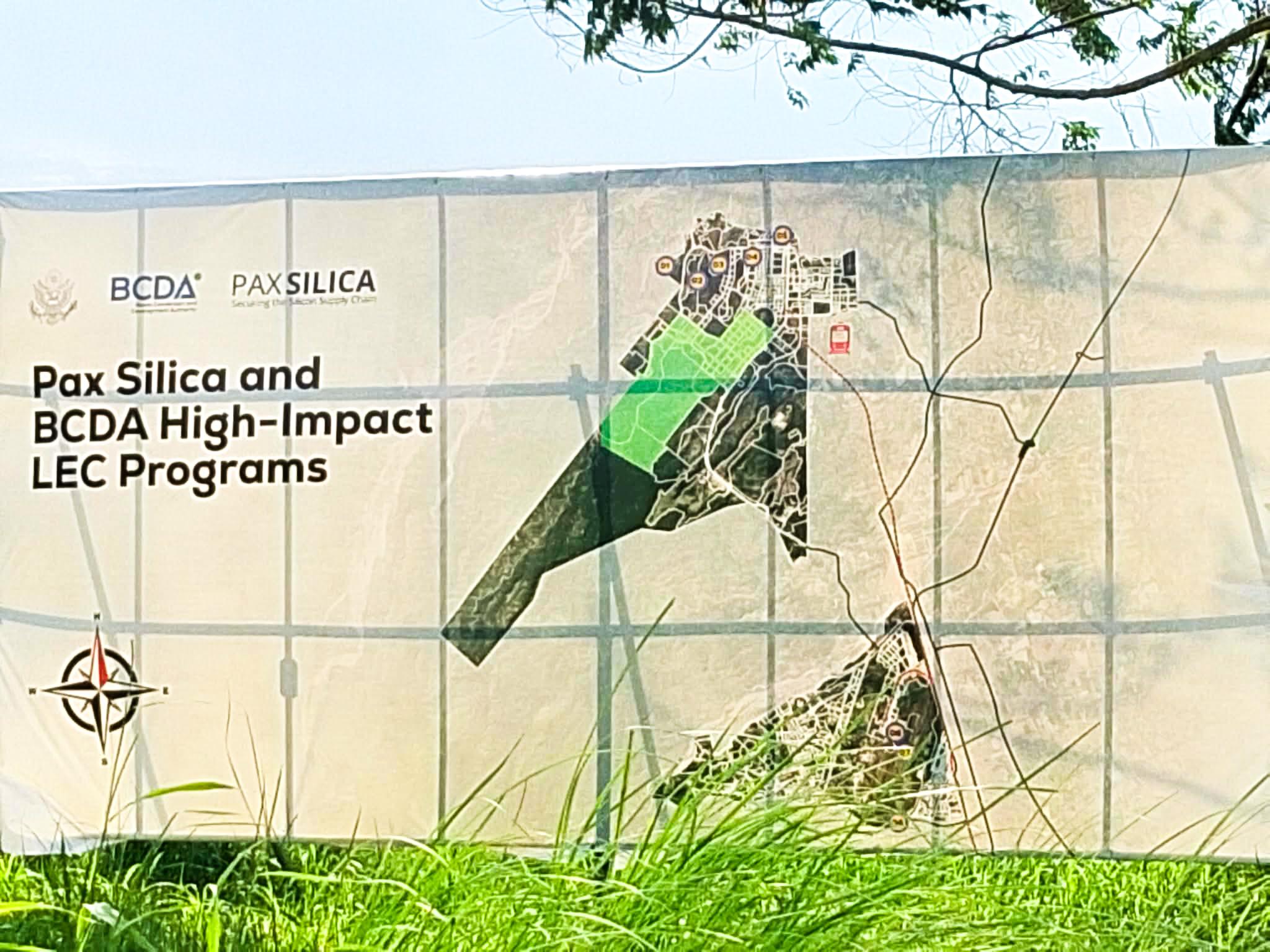
The Bases Conversion and Development Authority (BCDA) on Wednesday said it will ensure that the Philippine side, negotiating with the US on the final framework agreement to hit the ground running for the Pax Silica project in New Clark City, Tarlac, will push for a deal that would be most beneficial for the country.
At the Kapihan sa Manila Hotel, BCDA President and CEO Joshua “Jake” Bingcang said that the government is eyeing to sign the comprehensive framework agreement for the Pax Silica initiative with the US by November.
However, Bingcang admitted that “negotiations can always take longer,” noting that the target signing “is not cast in stone as long as the two [parties] will come up with mutually agreed arrangement.”
Nevertheless, the BCDA chief said the Philippines is pushing for terms that would “most beneficial sa’tin (to us)” as negotiations for the framework deal are ongoing.
“It’s a business contract, normally it is favorable to the host country,” he said.
Bingcang said the government has also made clear that the project will operate under the BCDA's governing legal framework and applicable investment laws.
“It would be covered by two Philippine laws —the BCDA law and CREATE MORE so the incentives provided will be covered by these two laws,” he said.
“Never in that initial arrangement that we are going to adopt anything other than the two laws,” he added.
Pax Silica is the US Department of State's flagship initiative on artificial intelligence and supply chain security, aimed at advancing a new economic security framework among allies and trusted partners.
The Philippines in April officially joined the Pax Silica initiative, cementing its place among other 23 global signatories, including the European Union, Japan, India, Singapore, South Korea, and the United Kingdom.
As part of the initiative, Manila and Washington are working to establish a 4,000-acre industrial hub that is envisioned as a new model for AI-focused investment within the Luzon Economic Corridor.
The BCDA chief earlier clarified that the Pax Silica hub is not envisioned as a cluster of hyperscale data centers but as an industrial hub that would include the manufacturing of semiconductors and microchips used in computers, laptops, electric vehicles, and other technologies.
Bingcang said that through Pax Silica, the Philippines and its partners see an opportunity to process raw materials domestically instead of exporting them in unprocessed form.
He said facilities such as those envisioned under Pax Silica could be described as modern science parks—or what US proponents have called AI-native industrial hubs—where artificial intelligence is integrated into manufacturing and other industrial processes.
“This is once in a lifetime opportunity for our country… Up to 200 factories can fit there… creating 180,000 direct jobs,” Bingcang said.
The BCDA chief also reiterated that proponents of the Pax Silica project are eager to construct their own dedicated power plant to ensure stable power supply and the facility will not compete with nearby residential communities for electricity.
The agency is estimating that the facility could require up to 3 gigawatts (3 million kilowatts) of power at full development.
The BCDA chief said Pax Silica aims to use clean and green energy, with solar farms among the primary options being considered.
To address Pax Silica's water requirements, the BCDA is considering the construction of impounding tanks to collect rainwater for industrial use.
The Pax Silica project is being criticized by many green groups for the massive amounts of energy and water it will likely consume once built.
Some groups have alleged that the project threatens to displace agricultural land and indigenous communities.
The government, however, has continuously defended the project, reiterating that it will generate jobs and income.
The Marcos administration, in particular, assured the public that no farmers will be displaced by the proposed Pax Silica project in Tarlac, saying the site has been designated as a "buildable zone" since 2019. —VAL, GMA News

