

 GMA Brandtalk
 Tracking
 Archives

LRT-1 Cavite Extension seen to boost job access for residents outside NCR, says MVP
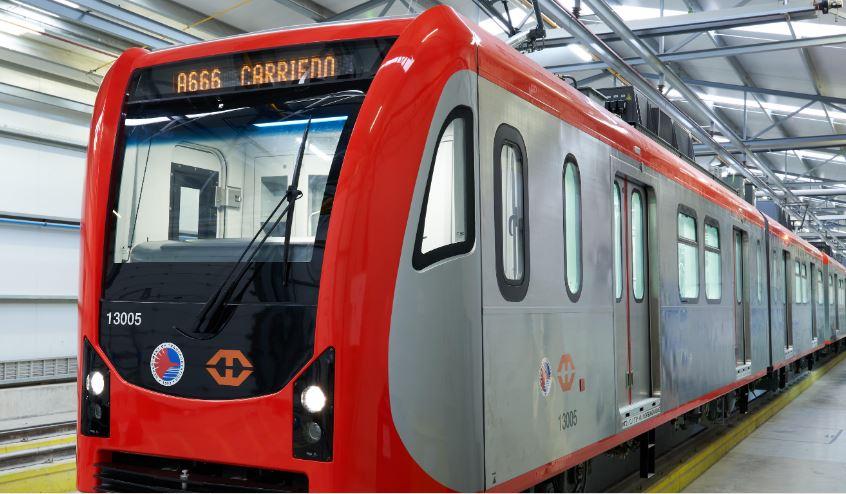
The Light Rail Transit Line 1 (LRT-1) Cavite Extension project, which recently secured a land donation from the Villar Group, is seen to boost access to job opportunities for residents living just outside Metro Manila, according to Metro Pacific Investments Corp. (MPIC) chairman Manuel V. Pangilinan.
“I think it will help out the population in the outlying areas if you have good public transportation because the jobs are here in Manila, right?” Pangilinan told reporters in a chance interview.
The MPIC chairman was asked to comment on the prospect of completing the Cavite leg of the LRT-1 extension after the Villar Group donated properties to help resolve right-of-way (ROW) issues affecting the Las Piñas alignment of the project.
With this, Pangilinan said improved transport could help residents living in the outskirts of the capital access employment opportunities in Metro Manila.
“When you close it to the jobs, you save on expenses. But you need to have good public transportation,” he said.
The Department of Transportation earlier said six parcels of land will be donated by the Villar Group for the project.
The Light Rail Transit Authority (LRTA) had committed that the entire stretch of the LRT-1 Cavite Extension project will be finished before the Marcos administration ends its term in 2028.
Phase 1 of the extension project, which is already commercially operational, connects Baclaran Station in Pasay City to Dr. Santos Station in Parañaque City through five stations, namely Redemptorist-ASEANA Station, MIA Road Station, PITX Station, Ninoy Aquino Avenue Station, and Dr. Santos Station.
The Cavite leg, or Phases 2 and 3 of the railway project, meanwhile, includes the three pending stations that have yet to be constructed—Las Piñas, Zapote, and Niog.
The LRT-1 Cavite Extension project is being financed through a hybrid scheme of the national government, official development assistance from Japan, the Japan International Cooperation Agency (JICA), and the private operator, Light Rail Manila Corporation (LRMC).
The P64.9-billion project was awarded to LRMC in September 2014, but was only taken over by the private partner in September 2015.
Under the agreement, LRMC will manage the LRT-1 for 32 years, during which it will also extend the line by 11.7 kilometers to 32.4 km from the current 20.7 km.
LRMC is a subsidiary of Pangilinan-led MPIC.—LDF, GMA News

