

 GMA Brandtalk
 Tracking
 Archives

Official poverty figures underestimate number of poor Filipinos —IBON
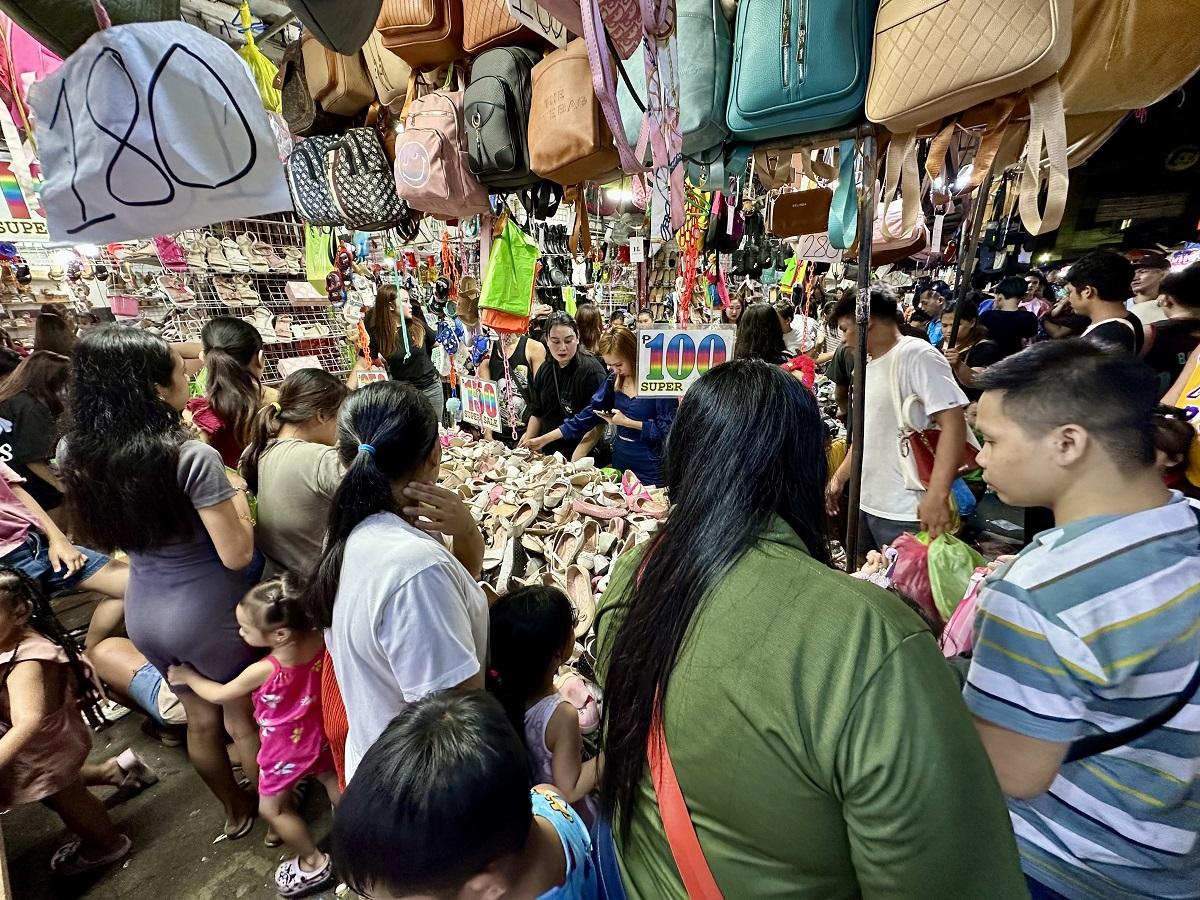
Development think tank IBON Foundation on Saturday criticized the government's latest poverty data, saying official figures underestimate the actual number of poor Filipinos.
IBON Foundation Executive Director Sonny Africa pointed to what he called an “unrealistic” poverty threshold set by the Philippine Statistics Authority (PSA).
“The PSA has not yet posted the full report, but nonetheless, the basic comment is that official poverty statistics underestimate the actual number of poor Filipinos,” Africa said in a mix of English and Filipino.
“The average national poverty threshold of P96 per person per day is self-evidently small, very low, and an unrealistic standard,” he said.
IBON Foundation was reacting to the PSA’s 2025 full-year poverty statistics, which showed that poverty incidence among individuals declined to its “lowest-ever” rate of 9.7% in 2025, from 15.5% in 2023.
The PSA data mean that 6.5 million Filipinos were lifted out of poverty between 2023 and 2025, as the number of Filipinos living below the poverty threshold—set at a monthly income of P14,634 for a family of five—fell from 17.5 million in 2023 to 11 million in 2025.
“The official methodology understates poverty because its food threshold is based on a bare-minimum, least-cost basket, while non-food needs are not directly and adequately costed,” Africa told GMA News Online.
“It matters how ‘poverty’ is measured. For example, compare the PSA’s 6.4% of poor families in 2025 with the 51% of self-rated poor families reported by Social Weather Stations (SWS). Assuming the SWS survey method is scientifically sound, there is a huge gap between how families perceive their situation and what the PSA reports,” he said.
GMA News Online reached out to the PSA for comment. The story will be updated once a response is received.
A recent SWS survey showed that 49% of Filipinos considered their families poor in June, down from 52% in March.
The survey estimated that the number of self-rated poor families fell from 14.5 million in March to 13.6 million in June.
The Department of Economy, Planning and Development (DEPDev) warned that inflation could undermine recent gains in poverty reduction.
“These gains reflect not only the recovery of income and employment, but also the sustained implementation of social protection programs. However, these hard-earned gains remain vulnerable, particularly to high inflation, which disproportionately affects poor and low-income households,” DEPDev Secretary Arsenio Balisacan said.
“If inflation remains elevated, it could slow or even reverse our recent gains in poverty reduction,” he added. —VBL, GMA News

