

 GMA Brandtalk
 Tracking
 Archives

NLEX, SLEX toll hikes loom
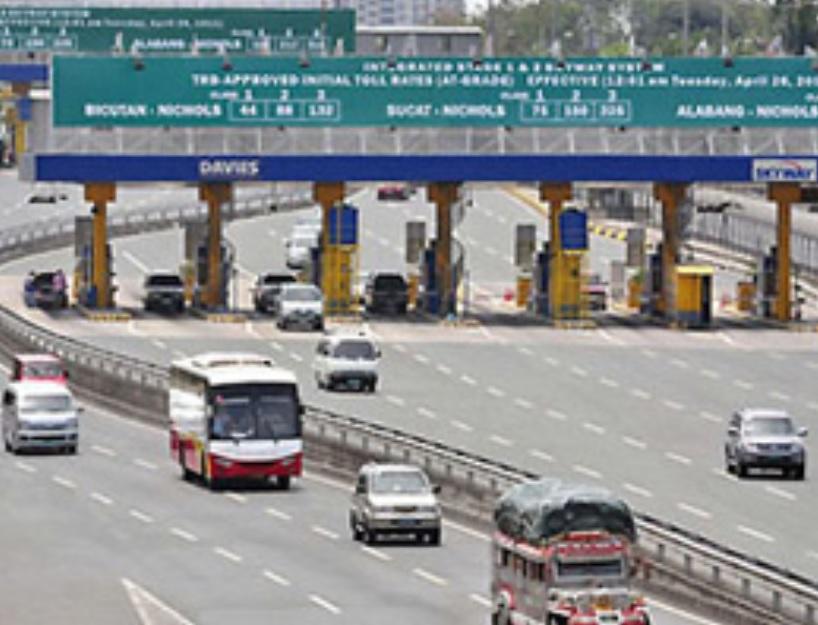
Motorists should brace for higher toll at the North Luzon Expressway (NLEX) and South Luzon Expressway (SLEX) as the Toll Regulatory Board (TRB) is in the final stages of approving the toll hike petitions filed for both roads.
In a recent interview with reporters, TRB executive director Alvin Carullo said the toll hike petition for NLEX was in the "advanced stage" already.
With this, Carullo said the fee increase might be implemented in the coming month.
The TRB official said that NLEX's toll hike petition this year covers the second tranche of scheduled rate hikes divided in two equal parts, with the first 50% implemented in 2023.
Last June, the TRB authorized NLEx to charge an additional P7 in the open system and P0.36 per kilometer in the closed system.
NLEX's open system covers those passing through Balintawak, Karuhatan, Paso de Blas, Mindanao Avenue, Meycauayan, and Marilao sections where motorists are charged a flat rate.
In the closed system—covering the portions between Bocaue, Bulacan, and Sta. Ines, Mabalacat City in Pampanga, as well as Subic-Tipo—motorists are charged per distance traveled.
For the planned toll hike this year, Carullo said, "It is the same as the first tranche… the toll increase was divided into two equal, 50% in 2023 and 50 percent in 2024."
SLEX toll hike
For SLEX, Carullo said that toll road concessionaire San Miguel Corp. also filed for the implementation of the second half of its toll increase.
The TRB official said that the toll hike might be implemented within the year.
The same rate of toll hikes last year will also apply this year for SLEX.
Last October, SLEX hiked its toll by P10 to P30 depending on the type of vehicle, and by P4 to P8 for vehicles traveling from Calamba to Sto. Tomas, Batangas.
Nevertheless, Carullo said the TRB was "aware of the inflationary situation."
"It may result in a delay in implementation if ever," he said.
"It depends on the rate of the inflation but in the past it appears that the government is keen on complying with the contractual obligations under the STOAs (Supplementary Toll Operation Agreement) or the contract," he added.
However, Carullo said that "we cannot deny all the petitions for toll rate increase precisely because they also have to comply with their lenders." — VDV, GMA Integrated News

