

 GMA Brandtalk
 Tracking
 Archives

ADVERTISEMENT
Filtered By: Newstv
NewsTV
Biyahero kodigo: How to choose a hostel
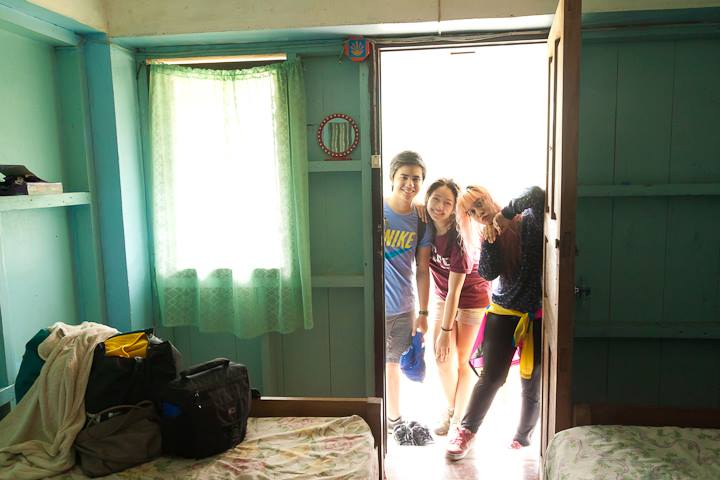
The author (center) and friends pose in the doorway of their hostel room in Batad. The walls were thin but the beds were soft and could fit two people each. (Photo: James Magalong)
This article is part of a series of tips from Drew Arellano and the ‘Biyahe ni Drew’ crew.
Not all hostels are created equal. In the world of budget travel, the quality of hostels is a varied as the cities and towns that keep them. As someone who’s had her share of cursing thin mattresses and outdoor bathrooms, I’m convinced that going on a budget shouldn’t mean forsaking all comforts. Here are some tips.
Questions to ask
Purpose: How much time will you spend in the room?
Backpackers prefer hostels to hotels because they expect to spend all day out anyway: All we need is a place to sleep! If you’re looking for added comforts like in-house spas, special bedding and large bathrooms, you’re better off booking in a hotel instead.
To ensure the basic level of comfort, make sure you see photos of the hostel room and bathroom before booking. Ask for complete addresses and a map to see how far it is from the main attractions in the area.
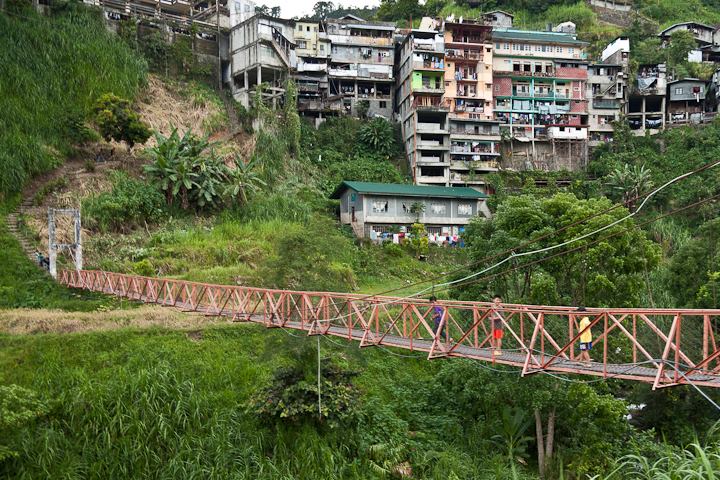
In the Philippines, most hostels are small and simple. (Photo: James Magalong)
Security: How much of your stuff will you leave in the room?
When traveling out of a single bag that you intend to bring all day, dorm-style hostels are fine. But if you want a place to leave luggage and valuables, choose a hostel with private rooms and locks.
Comfort: What are the bathrooms like? What’s the weather like?
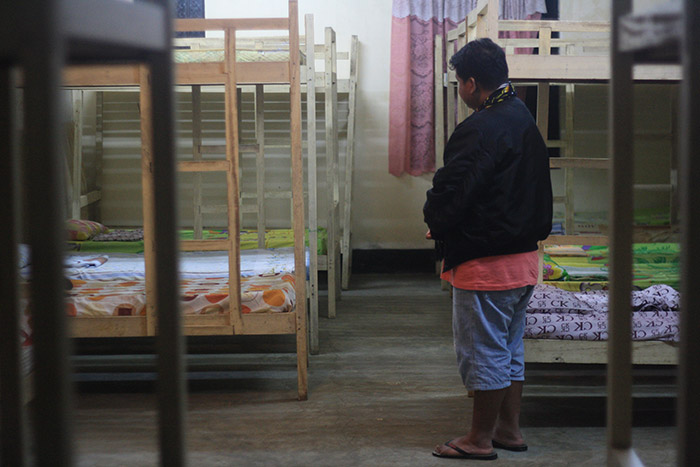
A dorm-style hostel that wasn’t very good. You can see how thin the mattresses are, and the beds weren’t sturdy, either.
There’s a reason why the first thing “Biyahe ni Drew” host Drew Arellano checks are the bathrooms: A crappy bathroom makes life exponentially harder for everyone.
While in Quirino, the “Biyahe ni Drew” crew tried a dorm-type hostel that had a single, cramped bathroom for over twenty people; because of poor drainage, water leaked out into the bedroom. Worse, all water was to be turned off at 10:30 PM, but our shoot ended at 10:00 PM. Nobody took a bath that night — or the morning after.
Conversely, a good bathroom makes even the simplest hostels that much more comfortable. So if there are any aspiring hostel owners reading this: Please, give your guests hot showers!
A good hostel considers the weather and provides the appropriate comforts: hot water and blankets for upland regions, and an electric fan for warmer areas.
Quality and location: How does the hostel match up with other hostels in the area?
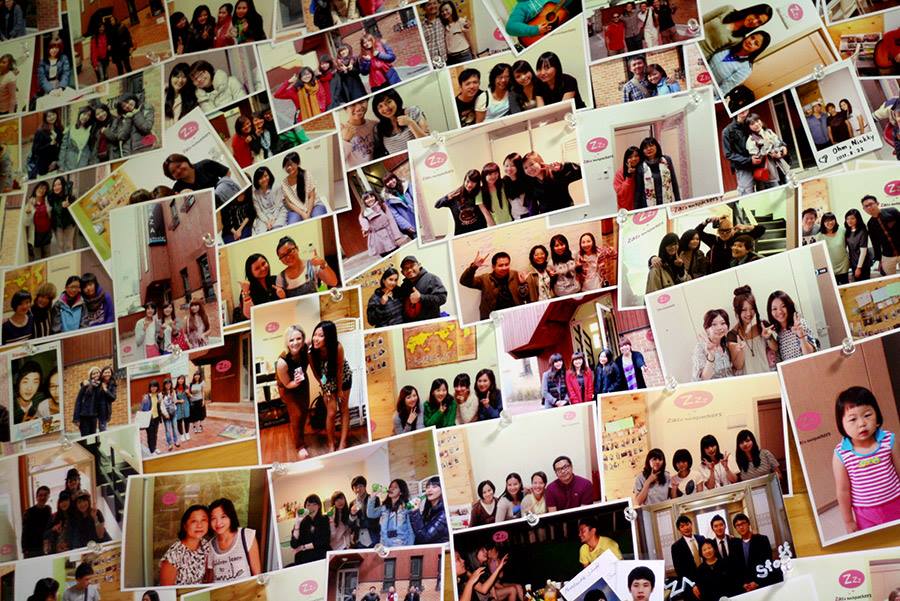
This backpacker hostel in Seoul, South Korea took pictures of all their guests and posted the prints in the common lounge.
In large, urban cities like Hong Kong and Seoul, travelers benefit from a competitive hostel industry. En suite bathrooms, while small, are the norm. When I visited Seoul with a friend last year, our prime consideration was location: We were able to find a hostel that was walking distance from the subway, the shopping district and the N. Seoul Tower cable car.
When backpacking culture is big, you can expect hostels to have a dedicated staff to provide customer care. In Seoul, travelers can contact hostel staff via messaging apps like LINE and KakaoTalk for concerns and travel recommendations.
In more rural destinations, however, you can’t help but compromise. When my friends and I traveled to Banaue last year, we found that all hostels were very simple, with a shared bathroom and no hot water.
In situations like this, look for hostels that make up for it with other amenities. Our eventual hostel had a kitchen and dining room that overlooked the Batad Rice Terraces. We didn’t mind taking cold showers if it meant waking up to that scenery.
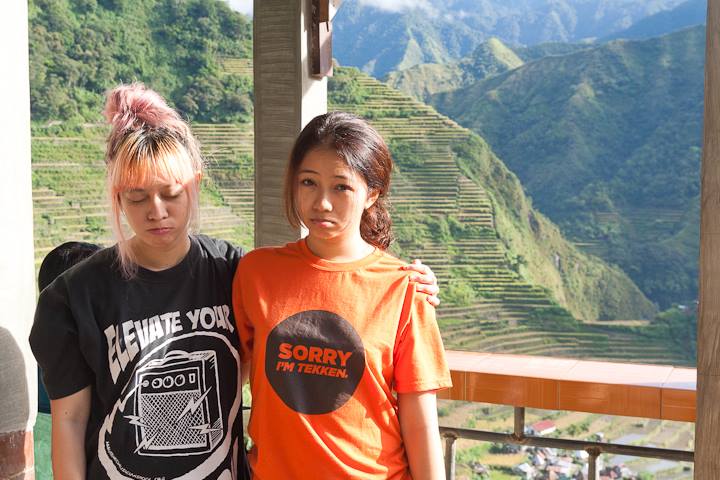
A hostel with a view like that? We almost didn’t want to leave. —CM, GMA News

